A fragile Middle East ceasefire has been pushed to the brink of collapse following a direct Iranian drone assault on Kuwait International Airport. The escalation triggered emergency flight diversions, widespread infrastructure damage, and swift retaliatory airstrikes by US forces against military command infrastructure inside Iran.
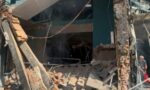
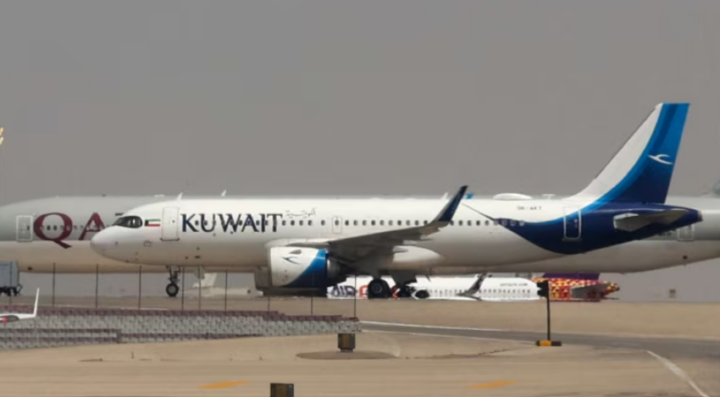
In what local officials are calling a “flagrant violation of international law,” a swarm of hostile Iranian kamikaze drones successfully evaded regional air defenses to strike Terminal 1 (T1) of Kuwait International Airport on Wednesday morning.
Kuwaiti Ministry of Defense Spokesperson, Saud Abdulaziz Al-Otaibi, confirmed the direct hit on the civilian passenger hub, characterizing the operation as a “criminal Iranian aggression that has caused extensive material damage to the facility and injured multiple civilians.”
In immediate response, the Directorate General of Civil Aviation suspended all inbound and outbound flights at Kuwait International Airport, activating its comprehensive emergency response blueprint and redirecting all airborne traffic to alternate regional hubs until further notice.
CENTCOM Intercepts Multidirectional Missiles
The strike on Kuwait occurred amidst a broader, coordinated Iranian missile and drone salvo across the Persian Gulf, according to operational logs released by United States Central Command (CENTCOM).
In defense disclosures spanning June 2 and June 3, 2026, CENTCOM detailed a heavy wave of Iranian ballistic missiles and loitering munitions launched toward regional neighbors:
- The Bahrain Vector: US and Bahraini air defense batteries successfully intercepted three ballistic missiles targeting the island nation.
- The Kuwait Vector: Two additional heavy missiles launched toward Kuwait either suffered mid-flight structural failures or were neutralized mid-air prior to the separate drone impacts at the airport.
- Maritime Interceptions: US Navy assets shot down three Iranian attack drones targeting international commercial shipping lanes in regional waters.
┌────────────────────────────────────────────────────────────────────────┐
│                    CENTCOM Operational Log: June 2–3                   │
├───────────────────┬────────────────────────┬───────────────────────────┤
│   Target Vector   │     Weapon Profile     │     Engagement Outcome    │
├───────────────────┼────────────────────────┼───────────────────────────┤
│ Bahrain           │ 3 Ballistic Missiles   │ Destroyed by US/Bahraini  │
│                   │                        │ Air Defense Systems       │
├───────────────────┼────────────────────────┼───────────────────────────┤
│ Kuwait            │ 2 Ballistic Missiles   │ Suffered mid-flight fail  │
│                   │                        │ or neutralized mid-air    │
├───────────────────┼────────────────────────┼───────────────────────────┤
│ Civilian Shipping │ 3 Attack Drones        │ Intercepted and downed by │
│                   │                        │ US Naval Forces           │
└───────────────────┴────────────────────────┴───────────────────────────┘
In direct retaliation for the maritime and territorial strikes, US combat aircraft executed precise “self-defense strikes” against an active Iranian military command-and-control installation on Qeshm Island, a highly strategic Iranian territory situated directly within the Strait of Hormuz.
CENTCOM firmly denied aggressive propaganda broadcasts pushed by Iran’s Islamic Revolutionary Guard Corps (IRGC), which falsely claimed that precision strikes had successfully hit the US Fifth Fleet Headquarters in Bahrain and an auxiliary American airbase. “US personnel sustained zero casualties, and all critical strategic installations remain fully operational,” the command stated.
Geopolitical Stakes: The Battle Over the Global Oil Supply
The latest wave of hostilities threatens to shatter a highly unstable, temporary ceasefire that has been loosely observed since April. A broader regional war involving the United States, Israel, and Iran originally erupted in late February, severely destabilizing international markets.
The primary geopolitical chokepoint remains the Strait of Hormuz, which the Iranian regime has kept forcibly blockaded since the outbreak of the war. The closure of this vital maritime artery has crippled global energy logistics, choked oil supply lines, and sent international crude prices soaring to historic highs.
Paradoxically, the dramatic military exchange occurred even as Washington and Tehran engage in sensitive, indirect diplomatic talks brokered by international intermediaries. These negotiations are aimed at extending the current ceasefire framework and establishing terms for the verified reopening of the Strait of Hormuz.
Despite the smoke rising from Kuwait’s airport terminal, US President Donald Trump expressed baseline optimism regarding the diplomatic track during a press briefing late Tuesday evening, telling reporters that he firmly believes “a comprehensive deal with Iran will be successfully finalized next week.”