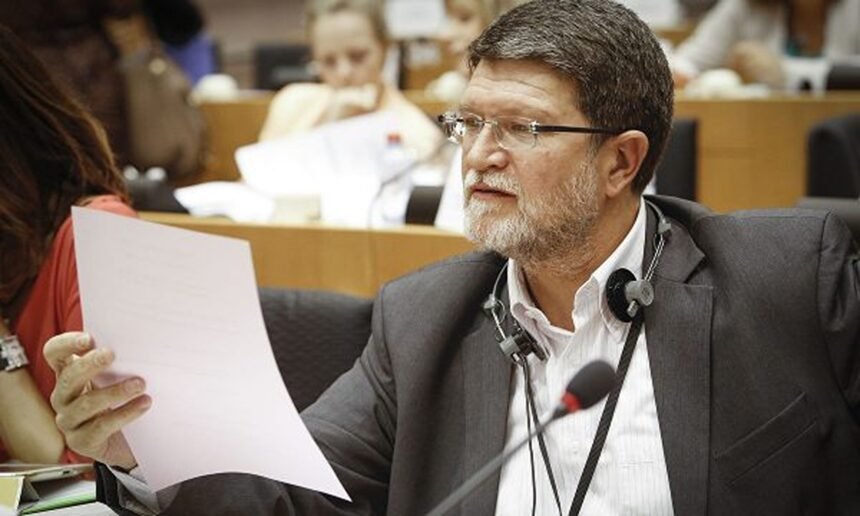
The European Parliament’s rapporteur for Serbia, Tonino Picula, has sharply criticized Serbia’s democratic backsliding, lack of progress in the rule of law, corruption reforms, media freedom, and alignment with European Union policies.
In an interview with Danas, Picula argued that the policies of Serbian President Aleksandar Vučić have led to the stagnation of Serbia’s EU accession process and contributed to rising tensions across the Western Balkans.
Democracy and Rule of Law in Decline
According to Picula, the European Parliament’s latest report on Serbia paints a troubling picture.
“There is almost no chapter in which significant progress has been recorded. The most serious problems concern democracy and the rule of law, where the situation has continued to deteriorate, particularly over the past year.”
He highlighted deep political polarization, persistent tensions, inadequate anti-corruption efforts, and the failure to implement key electoral reforms.
Picula stressed that Serbia must demonstrate a genuine commitment to its European future and align more closely with the EU’s foreign and security policy.
Serbia Must Align with EU Policy
Picula emphasized that candidate countries are expected to harmonize their policies with those of the European Union, particularly regarding Russia.
“If Serbia wants to move forward on its European path, it must clearly confirm its strategic orientation, align itself with the EU’s Common Foreign and Security Policy, including sanctions against Russia, and achieve concrete and sustainable progress in key reform areas.”
He also underlined the need for faster progress toward the normalization of relations with Kosovo.
Criticism of Electoral and Judicial Reforms
When asked about recently adopted laws concerning the judiciary and elections, Picula said they have failed to convince Brussels that genuine reforms are taking place.
“We are still far from creating conditions for fair elections and the proper functioning of the media regulator.”
He warned that much more work remains before Serbia can meet European democratic standards.
Four Years of Stagnation
Picula noted that Serbia has effectively remained stalled in the EU accession process for four consecutive years.
“The stagnation of the accession process for four years clearly reflects the mood of EU member states and institutions regarding developments in Serbia.”
He argued that Serbia’s future in the EU depends primarily on whether the authorities are willing to address the structural problems affecting Serbian society.
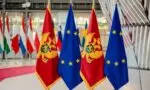
Tensions with Montenegro
Picula also commented on growing tensions between Serbia and Montenegro.
He suggested that these tensions stem from Vučić’s dissatisfaction with Montenegro’s independent path and what he described as efforts to promote the concept of a “Serbian World” rather than European integration.
“Unlike Montenegro, Vučić’s policies have led Serbia into stagnation and even regression in the European integration process.”
He added that EU institutions are closely monitoring developments and continue to emphasize good-neighborly relations as a core requirement for EU membership.
Concerns Over Democracy and Media Freedom
Reflecting on the political climate following the Novi Sad railway station canopy collapse, Picula said European politicians have become increasingly concerned about democracy, media freedom, human rights, and the rule of law in Serbia.
He criticized pressure on journalists, activists, opposition figures, and protesters, while also expressing concern about what he described as attempts to dominate the media landscape.
“These developments have reinforced the perception of a very unhealthy political and social climate that accompanies the blockage of Serbia’s European integration process.”
Who Is Brussels’ Main Partner in Serbia?
Asked who the EU considers its most credible partner in Serbia, Picula said the question remains open.
While the EU must cooperate with elected officials, he stressed that Brussels also engages with civil society, students, opposition parties, independent organizations, and others working toward democratization.
Picula concluded that one of Serbia’s biggest problems is the absence of meaningful dialogue between the government and its critics.
“Many say that today there are three Serbias that do not communicate with one another. Yet a broad national consensus is essential if the country is to resolve its long-standing problems and move toward membership in the European Union.”