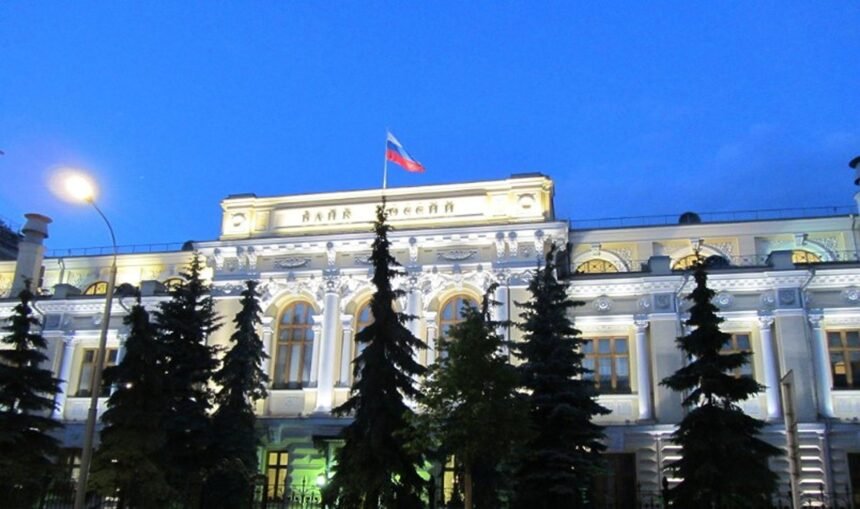
Russia’s Central Bank has significantly raised its inflation forecast for 2026, projecting inflation to reach 6–7%, up from its previous estimate of 4.5–5.5%. The bank attributed the revision primarily to rising fuel prices following damage to the country’s energy infrastructure.
In its statement, the Central Bank noted that inflation expectations among households, businesses, and financial markets have increased, making it more difficult to bring inflation back to lower levels.
Central Bank Governor Elvira Nabiullina described the situation as a “supply shock,” acknowledging that fuel prices have risen sharply since mid-May.
In June, several regions across Russia experienced fuel shortages after Ukrainian drone strikes targeted Russian oil refineries, attacks that Kyiv has intensified in response to Russia’s ongoing military aggression.
At the same time, the Central Bank lowered its forecast for Russia’s economic growth in 2026. Its projection for Gross Domestic Product (GDP) growth was revised downward from 0.5–1.5% to 0.0–1.0%, reflecting expectations of weaker demand and slower economic activity.
“Companies expect demand to slow. Taking into account temporary production capacity constraints, we have lowered our forecast for economic growth,” Nabiullina said.
Although monetary authorities expect fuel production capacity to recover gradually by the end of the year, analysts warn that continued Ukrainian strikes on Russian refineries and logistics hubs could keep inflation elevated and place additional pressure on the Russian economy.
On Saturday alone, Ukrainian drones reportedly struck an oil refinery in Tyumen, a logistics facility in Yekaterinburg, and a fuel depot in Rostov-on-Don, continuing Kyiv’s campaign against Russia’s energy infrastructure.