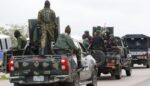
The Special Prosecutor’s Office of the Republic of Kosovo and the Kosovo Police have arrested five individuals suspected of involvement in war crimes committed during the conflict in Kosovo as part of an operation codenamed “Račak II.”
According to the authorities, the suspects are believed to have been members of special Serbian police units and to have participated in the operation carried out on January 15, 1999, in the village of Račak, where 45 Albanian civilians were killed in one of the most serious massacres of the Kosovo war.
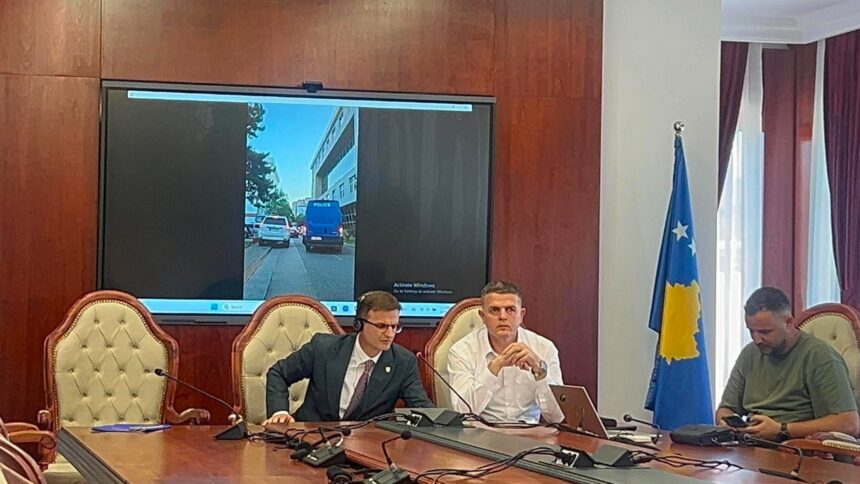
Ilir Morina, a prosecutor with the Special Prosecutor’s Office, stated that an intensive six-month investigation made it possible to identify the suspects, even after the first indictment in the case was filed in December of last year.
“The investigations we have continued throughout these months have enabled us to identify several individuals who were part of Serbia’s special police units and who took part in the January 15 operation in Račak,” Morina said during a press conference.
The Kosovo Police announced that the five arrested individuals are:
- N.P. (58), from Štrpce, a former member of Serbia’s Ministry of Internal Affairs;
- S.J. (59), from Betollusha, Štrpce, a retired police officer;
- B.P. (57), from Serqa, Štrpce, a former police officer who was arrested in the early morning hours at the Merdare border crossing;
- S.M. (58), from Štrpce, a former member of Serbia’s Ministry of Internal Affairs;
- S.S. (60), from Gjilan, currently employed in Serbia’s postal services, who according to investigators was part of police formations involved in the commission of the crimes.
According to the Kosovo Police, the arrests were carried out following a series of investigative actions and searches conducted at properties linked to the suspects.
Authorities stated that investigations into the crimes committed in Račak are ongoing and that the identification and prosecution of other individuals allegedly involved in the events of January 1999 remain possible.
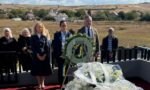
The Račak Massacre is regarded as one of the gravest crimes of the Kosovo war and remains one of the most significant events in the history of the conflict. The massacre drew widespread international attention and played an important role in shaping subsequent developments in Kosovo.