Citing a steadily stabilizing security environment, NATO Secretary General Mark Rutte announced that the Alliance will gradually reduce and optimize its Kosovo Force (KFOR) peacekeeping mission over the coming year.
Speaking to reporters in Brussels ahead of a key meeting of NATO defense ministers, Rutte confirmed that the improved ground realities allow the Alliance to transition back to its baseline footprint. The structural drawdown follows a formal announcement by NATO and the Supreme Allied Commander Europe (SACEUR), US Air Force General Alexus G. Grynkewich, who labeled the initiative an “optimisation” of the decades-long stabilization mission.
The strategic shift marks the end of an emergency posture triggered by violent ethnic clashes and border friction in northern Kosovo.
1. The Drawdown Math: Shifting from 4,700 to 3,000 Troops
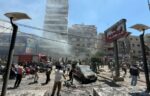
The planned cuts will reverse the emergency surge implemented following the severe geopolitical spikes in northern Kosovo, notably the attacks on NATO peacekeepers in Zvečan.
NATO's Recalibrated Force Structure Profile in Kosovo

 [ THE EMERGENCY PEAK ]  ──► SURGE DEPLOYMENT (2023)
 • Nearly 1,000 extra troops deployed to prevent open conflict, pushing total
   manpower up to approximately 4,700 active personnel.

 [ FIRST DE-ESCALATION ] ──► SUSPENDING THE RESERVES (JANUARY)
 • NATO officially halted the continuous, two-year rotation of reserve force
   dislockments as initial stability indicators improved.

 [ THE TARGET POSTURE ]  ──► BASELINE OPTIMIZATION (NEXT YEAR)
 • Gradual reductions tied to national deployment cycles, targeting a final
   strength of between 3,000 and 3,500 total troops on the ground.
“When we look at the security situation in Kosovo, what we see is that generally last year it continued to improve. That is why NATO in January stopped the deployment of reserve forces. Looking ahead, we will return to the presence we had before 2023… KFOR will have between 3,000 and 3,500 troops.”
— Mark Rutte, NATO Secretary General
2. Strategic Rationale: Stability Met with Built-In Flexibility
While the optimization marks a major milestone as KFOR enters its 27th year of operation, NATO leadership emphasized that the troop reduction is highly conditional and fundamentally tethered to local compliance and stability.
Core Directives of the KFOR Optimization Strategy
┌────────────────────────────────────────────────────────────────────────┐
│                                                                        │
│  [ THE NO-VACUUM GUARANTEE ] ──────────────────────────────────────┐   │
│  • General Grynkewich strongly reiterated that NATO will not allow an   │   │
│    institutional or security vacuum to develop in the Western Balkans. │
│                                                                        │   │
│  [ REVERSIBILITY PROTOCOL ] ───────────────────────────────────────┤   │
│  • The drawdown will occur incrementally; the Alliance maintains full  │   │
│    authority to immediately halt or reverse the process if threats rise.│
│                                                                        │   │
│  [ INSTITUTIONAL COOPERATION ] ────────────────────────────────────┘   │
│  • KFOR will remain firmly focused on its core UN mandate, coordinating│
│    daily with the Kosovo Police and the EU Rule of Law Mission (EULEX).│
└────────────────────────────────────────────────────────────────────────┘
3. Regional Impact: Diplomatic Pressures and Local Reactions
The reduction comes at a delicate political moment, as international actors continue to push for structural solutions via the EU-facilitated dialogue.
| Geopolitical Component | Structural Status & Footprint | Operational Stance & Reaction |
| NATO Command (SHAPE) | Overseeing intelligence-driven assessments to coordinate calibrated troop withdrawals across 31 allied and partner nations. | Phased Optimization: Confident that local security organizations have become significantly more capable of maintaining order. |
| Allied Contributors (e.g., Switzerland) | Swiss and other non-infantry support units are preserving their current mandates despite the broader alliance cuts. | Unchanged Commitment: Continuity of logistics, engineering, and monitoring tasks unaffected by the infantry drawdown. |
| Belgrade-Pristina Dialogue | Facing continuous pressure from Western capitals to resolve outstanding border and administrative disputes. | Strategic Leverage: The withdrawal acts as a signal that international forces will not act as permanent buffers for political stagnation. |
Rutte’s declaration underlines a shifting consensus within NATO: the Western Balkans remain a region of high strategic significance, but the era of massive, open-ended peacekeeping infantry footprints is giving way to a leaner, more agile deterrence model.