The United States and Venezuela have reached a major oil agreement that could give Washington majority control over more than 65 billion barrels of Venezuela’s proven oil reserves, according to U.S. and Venezuelan officials.
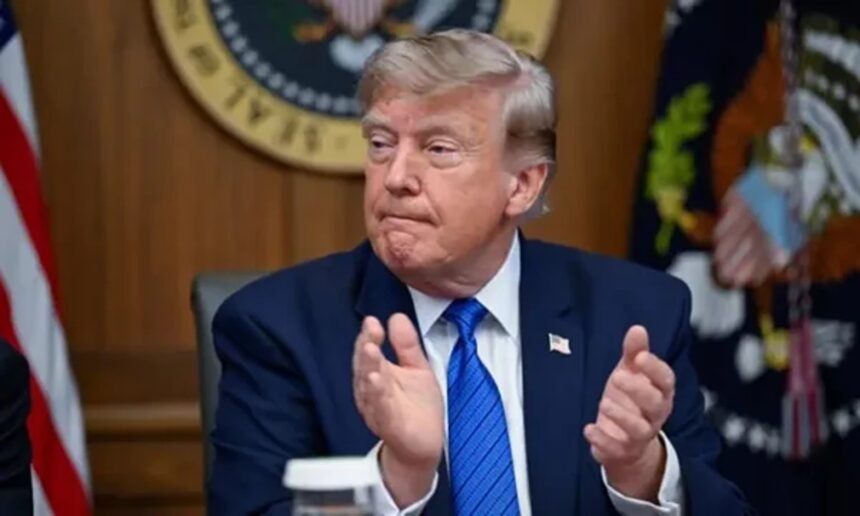
U.S. President Donald Trump announced the agreement in a post on Truth Social, describing it as “the biggest oil deal in world history.”
“This historic transaction more than doubles our American oil reserves, greatly increases our oil supply, and will substantially lower gas prices for all Americans,” Trump wrote, adding that the deal would also help “put Venezuela on a path toward tremendous success and great prosperity.”
Venezuela’s acting President, Delcy Rodríguez, whose country holds the world’s largest proven oil reserves, later confirmed the agreement and described it as “historic.”
According to Rodríguez, the agreement involves the development of 17 strategic oil fields and could generate more than $100 billion in investment and over $209 billion in tax revenue for the Venezuelan state.
U.S. Secretary of State Marco Rubio welcomed the agreement as a “huge win” for both the American and Venezuelan people.
“This shows how President Trump’s bold foreign policy is driving America First wins: securing stable, low-cost oil supplies in our hemisphere and lowering gas prices here at home,” Rubio said.
The agreement would involve a partnership between the United States and private companies to develop the 17 oil fields. U.S. officials have said the arrangement could give a U.S.-linked venture majority operational control, while Venezuela would benefit from significant investment and tax revenues.
Washington has maintained a close focus on Caracas since U.S. forces carried out an operation to capture former Venezuelan President Nicolás Maduro in January.
Following the operation, Trump pledged to invest billions of dollars in Venezuela and said U.S. companies would rebuild the country’s oil industry. The agreement comes as Venezuela seeks to revive an oil sector weakened by years of underinvestment and deteriorating infrastructure.