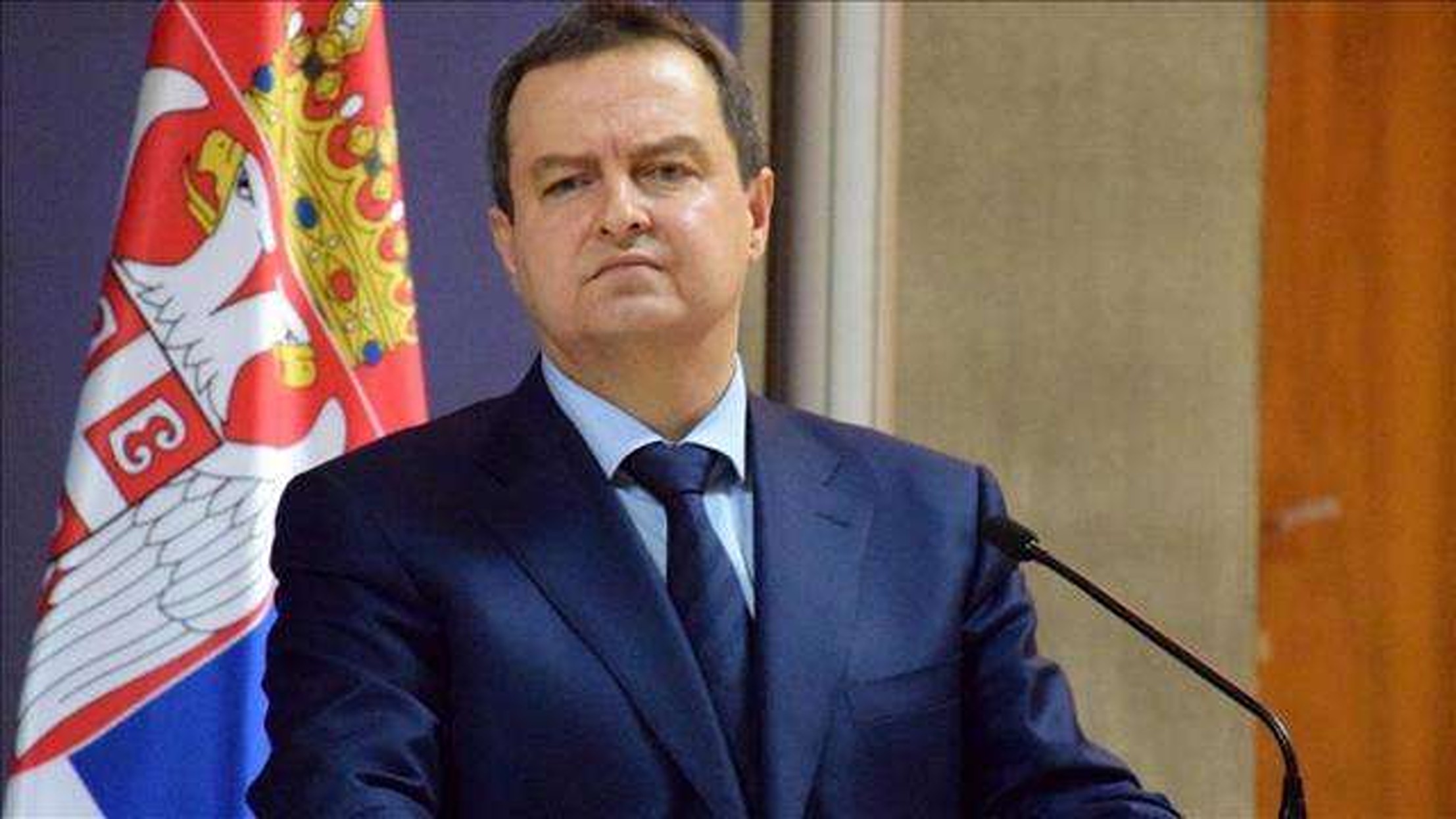
Serbian Interior Minister Ivica Dačić said Wednesday that the Hague verdict against four former Kosovo Liberation Army leaders “confirms Serbia’s claims about the KLA.” He went further, saying the ruling proves that the KLA was a “criminal and terrorist organisation” and that its political and military leadership was responsible for crimes committed during the Kosovo war.
But Dačić’s interpretation goes beyond what the court actually decided.
The KLA itself was not on trial in The Hague. Four individuals were.
The Kosovo Specialist Chambers’ case concerned the individual criminal responsibility of Hashim Thaçi, Kadri Veseli, Rexhep Selimi and Jakup Krasniqi for specific alleged crimes. The court did not issue a judgment declaring the KLA as an organisation a criminal or terrorist organisation.
The distinction is crucial. A judgment concerning the criminal responsibility of four individuals cannot simply be transformed into a judicial verdict against an entire organisation or liberation movement.
The court also made clear that the proceedings were not about putting the legitimacy of the KLA or Kosovo’s independence on trial.
Dačić has nevertheless taken the verdict and presented it as confirmation of Serbia’s broader political narrative about the KLA and the Kosovo war.
For many in Kosovo, the verdict also comes amid continuing concerns over accountability for crimes committed by Serbian forces during the 1998–99 war, with victims and families still seeking justice.
The judgment is not necessarily the final word. The defence teams have indicated that they will appeal the convictions, meaning the case will now move into the appeals process. For supporters of the four defendants, the verdict is being described as unjust and is expected to be challenged before the Appeals Panel.
The Hague judged four individuals. It did not put the KLA on trial. Dačić is deliberately presenting it as something much broader and the fight over the verdict is not over.