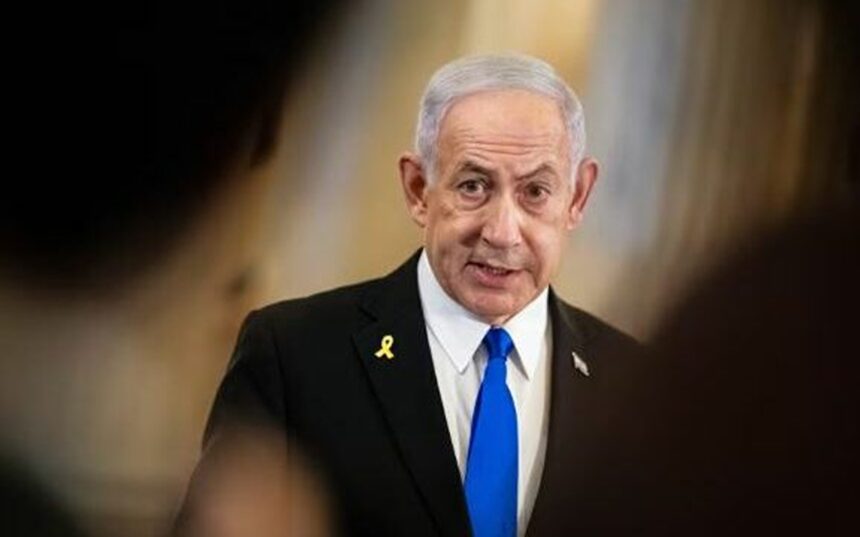
Israel’s parliamentary elections have ended without producing a clear governing majority, leaving Prime Minister Benjamin Netanyahu facing difficulties in securing a new term in office. According to the final results published by the Central Elections Committee, Netanyahu’s bloc secured 53 of the Knesset’s 120 seats, eight short of a parliamentary majority.
Meanwhile, the opposition camp led by Gadi Eisenkot won 48 seats, while Arab parties secured a total of 19 seats in parliament. Despite the completion of the vote count, political negotiations are expected to determine who will succeed in forming the next government.
Lapid: “A victory is a victory” – Opposition Calls for Patience and Begins Negotiations
Former Prime Minister Yair Lapid, who is part of the opposition camp, reacted following the publication of the results.
“Netanyahu got 53 seats. A collapse. It wasn’t a knockout victory, but a victory on points. And points matter. A victory is a victory,” Lapid wrote on X.
He urged opposition supporters to remain patient as negotiations over forming a new parliamentary majority are expected to prove decisive.
Meanwhile, Gadi Eisenkot and Naftali Bennett held a meeting in Ra’anana, where they expressed their commitment to working together to establish a new government.
Arab Parties Emerge as Key Players in Negotiations
With 19 seats, Arab parties have achieved their strongest parliamentary result in Israel’s history.
If Eisenkot’s bloc of 48 seats joins forces with the 19 seats held by Arab parties, a theoretical majority of 67 lawmakers would be formed. However, some opposition leaders have ruled out cooperation with the Ra’am party and the Joint List.
Yair Golan, leader of the Democrats, held a meeting with Mansour Abbas, leaving open the possibility of political cooperation. Meanwhile, Avigdor Lieberman, leader of Yisrael Beiteinu, declared that he would cooperate neither with Netanyahu nor with Arab lawmaker Ahmad Tibi.
Netanyahu Does Not Rule Out a National Unity Government
Despite the election result, Netanyahu is considering the possibility of forming a national unity government with Gadi Eisenkot, according to Israeli media reports. However, Eisenkot has rejected the prospect of joining a government led by Netanyahu, including an agreement involving a rotation of the premiership.
Meanwhile, Netanyahu has assured his allies Itamar Ben-Gvir and Bezalel Smotrich that the current coalition will remain united.
Allegations of Election Manipulation
Following the elections, Likud raised allegations of irregularities and illegal influence in the electoral process, calling for an investigation into Arab parties. However, Dean Livne, the acting head of the Central Elections Committee, said authorities had received allegations but no evidence to substantiate them.
Meanwhile, Israel’s internal security service, Shin Bet, has launched a limited investigation into suspected foreign interference in the elections. According to reports by Channel 12, the investigation involves Qatar and at least two other countries. Qatar has categorically denied allegations of interference in Israel’s elections, while Ra’am leader Mansour Abbas has stated that his party has no connection to the matter.
The Elections Committee has made clear that the investigations will not affect the final results submitted to the president.
What Happens Next?
Israeli President Isaac Herzog is expected to receive the official results on November 4. Following consultations with representatives of the political parties, he will task a member of the Knesset with forming the new government.
The designated candidate will have 28 days to secure a parliamentary majority, with the possibility of an additional 14-day extension.
Israel’s New Parliament Expected to Convene on November 10
Until a new government is formed and sworn in, Benjamin Netanyahu will continue serving as caretaker prime minister.