Allegations that official documents are being destroyed within Serbian state institutions have also emerged in Kosovo following the electoral defeat of the Serbian Progressive Party (SNS), raising questions about who has the authority to investigate and prevent the possible removal of evidence.
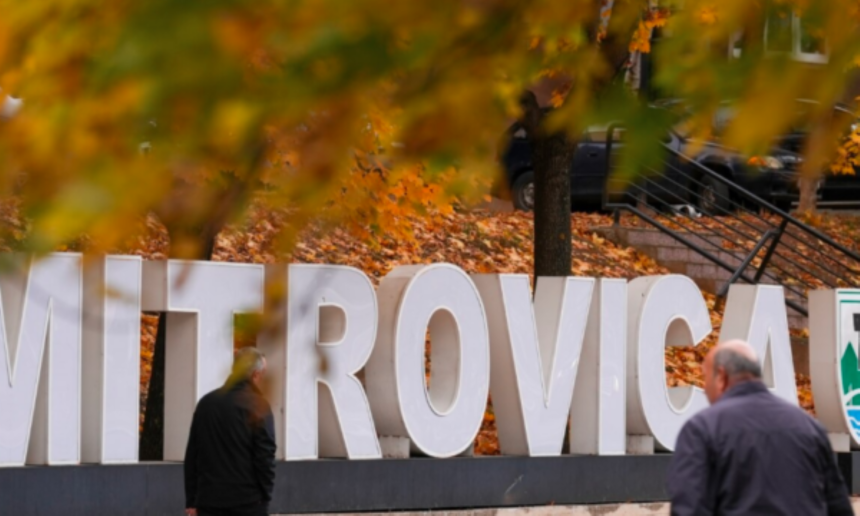
The concerns were raised by a group of students from the University of North Mitrovica, which operates under Serbia’s education system. They said they had received information suggesting that official records were being destroyed at several Serbian-run institutions in Kosovo, including the Clinical Hospital Center in North Mitrovica and temporary municipal authorities.
The allegations come amid reports from Serbia that documents are being destroyed in state institutions following the October 25 parliamentary elections, which were won by the Students’ List.
On October 29, Serbia’s Supreme Public Prosecutor Zagorka Dolovac instructed all higher public prosecutor’s offices to urgently contact the police and request measures to prevent the destruction of official documents and other records.
The instruction referred to publicly reported concerns involving state institutions, banks, the Security Intelligence Agency, the Military Intelligence Agency and other bodies considered important to Serbia’s economic, financial and legal security.
Radio Free Europe/Radio Liberty (RFE/RL) asked the Serbian prosecutor’s office how it intended to verify allegations involving Serbian institutions in Kosovo and those relocated to Serbian border towns following closures by Kosovo authorities. No response had been received by the time of publication.
Allegations involving hospitals and municipal institutions
The student group said it had received information suggesting that documents were being destroyed or removed from temporary Serbian municipal authorities and the Clinical Hospital Center in North Mitrovica.
The group also raised concerns about possible irregularities involving salary payments to medical staff and the subsequent destruction of records that could be relevant to investigating potential abuses.
The hospital center rejected the allegations, describing them as false and unfounded.
In a statement, the institution said that no official documentation was being destroyed, removed or concealed, adding that there was no reason for such actions. It also warned that the accusations could undermine the work of an institution it described as essential to the Serb community in Kosovo.
Serbian-run institutions have been under increased scrutiny since Kosovo authorities closed several facilities operating outside Kosovo’s institutional system over the past two years. Among those affected were the Postanska Štedionica bank, Serbia’s postal service, the Pension and Disability Insurance Fund, the Treasury of the National Bank of Serbia and social welfare centers.
Most Serbian institutions continuing to operate in Kosovo are now in the education and healthcare sectors.
RFE/RL also contacted the Serbian government’s Office for Kosovo for comment on the allegations but received no response.
Janjić: Kosovo prosecutors also have authority to investigate
Dušan Janjić of the Belgrade-based Forum for Ethnic Relations, a lawyer by profession, told RFE/RL that Kosovo prosecutors have a mandate to respond to allegations of document destruction involving Serbian institutions operating under Serbia’s system in Kosovo.
He argued that Kosovo authorities have jurisdiction to investigate because these institutions have operated, or continue to operate, with the tolerance of Kosovo institutions.
Janjić said financial records and evidence of money transfers could be particularly important, even if some supporting documents were destroyed.
“Regarding the traces of financial transactions, they cannot be destroyed. I am now talking about the money. But documents related to money that passed from one hand to another can be destroyed,” he said.
He also pointed to longstanding concerns about the use of funds allocated by Serbia for Kosovo, arguing that the allegations warranted scrutiny by several prosecutorial institutions.
According to Serbia’s Ministry of Finance, approximately 17.2 billion dinars, or around €147 million, had been allocated to the Serbian government’s Office for Kosovo in the 2025 budget.
An additional two billion dinars had been earmarked through the National Employment Service for assistance to unemployed people from Kosovo. Much of this funding was distributed through temporary municipal authorities operating in Kosovo.
Janjić said he believed that records potentially linking institutional officials to former Serb List deputy leader Milan Radoičić could be among the documents at risk.
Radoičić claimed responsibility for the armed attack in Banjska in September 2023. Kosovo has issued an arrest warrant for him, and he remains outside the reach of its judicial authorities.
Janjić argued that Kosovo’s Special Prosecution Office should examine whether any documents relevant to the Banjska investigation could be affected.
Serb List officials and the transition in Belgrade
Serbian institutions operating in Kosovo have largely been managed by officials associated with Serb List, the largest political party representing Kosovo Serbs. The party has maintained close ties with the SNS and former Serbian President Aleksandar Vučić.
Following the election defeat, Serb List said it accepted the results of the parliamentary elections and remained committed to maintaining institutional ties with Belgrade.
RFE/RL said it had sought comment from the Students’ List regarding the allegations involving Serbian institutions in Kosovo but had not received a response by publication.
On October 29, representatives of the Students’ List called on employees in various institutions to report any cases of document destruction during the transition period leading up to the formation of the new government.
Electronic records and concerns over transparency
Rodoljub Šabić, a lawyer and former Serbian Commissioner for Information of Public Importance and Personal Data Protection, said destroying official documents stored electronically had become more difficult in 2026.
However, he warned that Serbia had experienced years of limited institutional transparency, making it difficult to establish how important official records had been stored, archived or packaged.
His comments add another dimension to the concerns surrounding the transition of power in Serbia and the possibility that records could be removed before the incoming government takes office.
The allegations in Kosovo have not yet been independently verified, and the institutions concerned have not provided a comprehensive response to the questions raised by RFE/RL.
Nevertheless, the issue raises questions about the preservation of public records, the oversight of Serbian-funded institutions in Kosovo and the ability of Kosovo and Serbian authorities to investigate potential financial or institutional abuses.