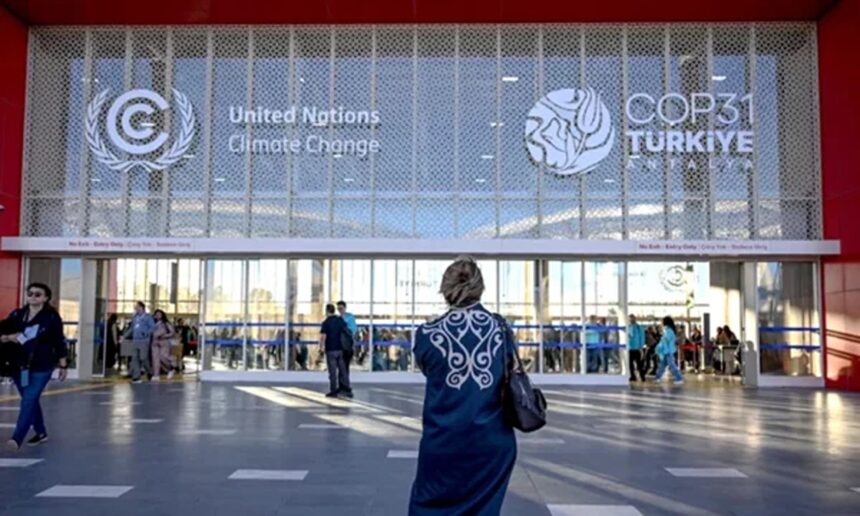
The United Nations’ annual climate conference, COP31, has opened in Antalya, Turkey, with the aim of finding concrete solutions to global warming. However, negotiations faced disagreements over the financing of climate measures from the very first hours.
The opening ceremony was delayed by an hour as delegations continued discussions on reaching an agreement on the agenda for the two-week negotiations. One of the main points of contention is the demand by African countries to triple funding for climate adaptation, which is considered vital for nations most affected by droughts, floods and rising sea levels.
Meanwhile, European countries have expressed reservations about including new financial commitments on the agenda. A European Union official said there is currently a lack of political will for additional funding.
The summit is taking place in a year marked by numerous climate disasters, including floods in Nepal, heatwaves in Europe and wildfires in Indonesia. The situation is further complicated by the energy crisis, driven by the war in the Middle East, rising prices and economic difficulties facing many countries. Another key objective of the conference is the electrification of the economy.
Turkey aims to secure an agreement among countries to increase electricity’s share of global energy consumption to 35% by 2035, up from approximately 20% today. However, the proposal could trigger disagreements, as the European Union is calling for electrification based exclusively on clean energy sources, without the use of coal, oil or gas to generate electricity.
This demand could face opposition from countries whose economies rely on fossil fuel production. The absence of U.S. representatives is also notable at the summit, given that the United States is the world’s largest economy and the second-largest emitter of greenhouse gases after China.
Negotiations will be led by Turkey with Australia’s support, while one of the main challenges remains reaching a compromise among countries with differing interests.
Discussions will focus on the three pillars of the Paris Agreement: adapting to the impacts of climate change, reducing emissions and financing measures to protect the planet.