Nearly three decades after the war in Kosovo, which left approximately 10,000 civilian victims, only 77 people have been convicted of war crimes by domestic and international judicial institutions. Data from the Basic Court in Pristina show that between January 2024 and September 1, 2026, 17 cases were concluded, 13 of them resulting in convictions. Among the main obstacles to achieving justice are the lack of legal cooperation between Kosovo and Serbia and Serbia’s continued refusal to hand over individuals suspected of war crimes.
Crimes committed by Serbian forces during the war in Kosovo left thousands dead and families devastated, many of whom continue to demand justice.
Massacres, killings of civilians, forced expulsions and crimes against a defenceless population remain among the darkest chapters in Kosovo’s history—one for which justice has yet to provide full answers.
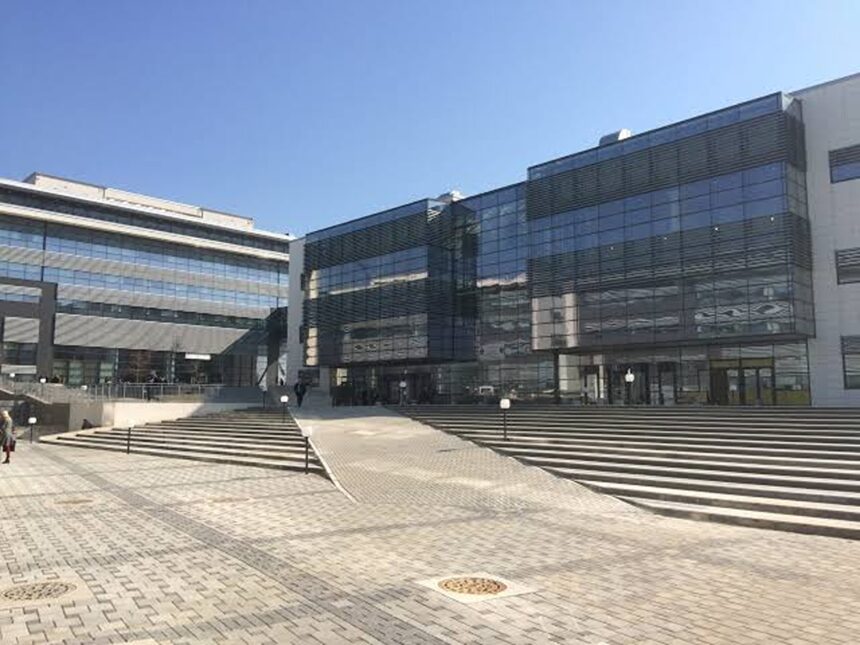
Nearly three decades after the war, investigations and trials concerning these crimes are still ongoing. Data from the Special Department of the Basic Court in Pristina show that between January 1, 2024, and September 1, 2026, 17 cases were resolved, 13 of which resulted in convictions. Another 19 cases remain pending.
Beyond judicial figures and statistics, however, the fundamental challenges remain: fully investigating the crimes, establishing the fate of victims and bringing those responsible to justice.
One development that has contributed to the increase in the number of cases prosecuted in recent years is the legal possibility of conducting trials in absentia, introduced through amendments to the Criminal Procedure Code. This allows Kosovo’s justice institutions to conduct proceedings against individuals accused of war crimes who are not present in Kosovo.
According to Amer Alija of the Humanitarian Law Center, this legal provision has contributed to an increase in war crimes indictments, allowing more cases to be brought before the justice system.
“With the amendments to the Criminal Procedure Code, indictments for trials in absentia began to be filed. Over the past two or three years, we have seen a significant number of indictments in absentia for war crimes. This legal change has contributed to a higher number of cases being prosecuted before the Basic Court in Pristina. In addition, approximately 10 defendants or suspects for war crimes in Kosovo are arrested every year,” Alija told RTK.
According to him, one of the main obstacles to uncovering war crimes and delivering justice remains the lack of legal cooperation between Kosovo and Serbia. Serbia continues to refuse to hand over individuals suspected of war crimes to face justice.
Alija says that despite the work carried out by domestic and international judicial institutions since the end of the war, the number of people convicted remains extremely low compared with the number of civilian victims.
“Since the end of the war until today, approximately 77 perpetrators of war crimes have been convicted by all judicial institutions, whether in The Hague or in Kosovo, UNMIK or EULEX. On the other hand, we have approximately 10,000 civilian victims. Very little has been done in this regard to provide justice for the families of war victims,” Alija said.
Crimes committed by Serbian forces during the war in Kosovo left thousands of victims and devastated families. Nearly three decades after the end of the war, justice remains out of reach for many of them.