For years, Aleksandar Vučić built and maintained a political system based on centralised power, institutional control, corruption allegations, pressure on independent media and a foreign policy that kept Serbia balancing between Moscow and the West. His government maintained close relations with the Kremlin while using nationalist rhetoric and unresolved regional disputes to consolidate political power.
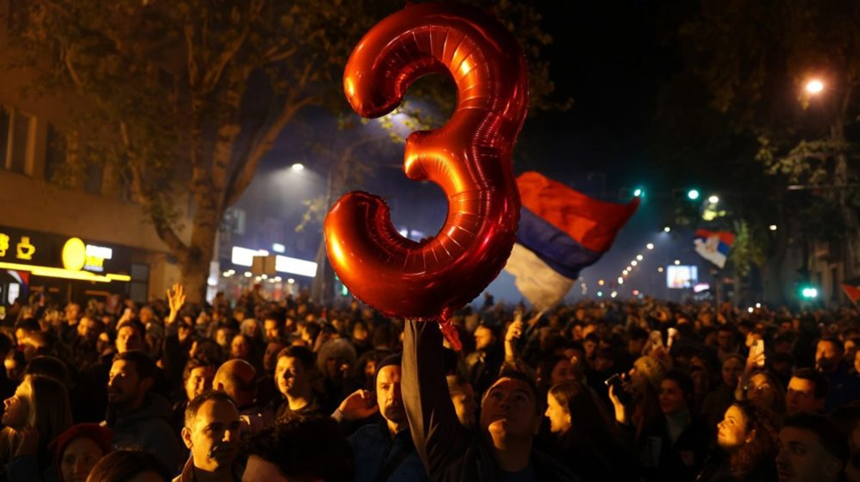
The reported electoral victory of the Student List marks a major turning point in Serbian politics. But removing Vučić from power is not the same as dismantling the political system he built over more than a decade. The new political leadership will inherit institutions filled with loyalists, deeply rooted corruption, the influence of established political networks and a society divided over Serbia’s future direction.
The challenges are enormous. Rebuilding independent institutions, restoring the rule of law, tackling corruption and organised crime, and ensuring media freedom will require more than replacing familiar faces with a new generation. The investigation into the 2024 Novi Sad railway station canopy collapse, which claimed 16 lives, will also be an important test of whether the new leadership is genuinely prepared to hold those responsible accountable.
But the biggest questions concern Serbia’s foreign policy and its relationship with the region.
According to an analysis by Balkan researcher Ferenc Nemet, the Student List brings together people with very different political views: supporters of Russia, advocates of European integration and opponents of NATO. Their common ground has largely been opposition to Vučić. That does not necessarily mean they share a clear vision for Serbia’s future.
The concern is that the same foreign-policy balancing act pursued by Vučić could continue under a different name: maintaining ties with Moscow while seeking cooperation with the EU and Western powers, without making clear strategic choices.
And what about Kosovo?
The analysis suggests that Kosovo will remain a red line for the future Serbian leadership, with no expectation of major concessions, even if the Student List adopts a more open approach to EU-mediated normalisation talks. If that is the direction, then a change of government in Belgrade will not automatically mean a change in Serbia’s policy towards Kosovo.
The same question applies to nationalism. Serbia cannot build a democratic future while continuing to rely on the same nationalist narratives, territorial ambitions and political rhetoric that have kept tensions alive across the region. Nationalism cannot be presented as a substitute for democratic reform, accountability or a serious European future.
Now we will see whether the Student List intends to break with Vučić’s politics or simply continue the same approach under new leadership. Will it abandon the same outdated and destructive nationalism, reconsider Serbia’s relationship with Russia, and adopt a more responsible policy towards its neighbours, including Kosovo? Or will it preserve the same political mindset while changing the faces in power?
Serbia needs more than a new government. It needs a genuine change of political direction. The real test for the Student List begins now.