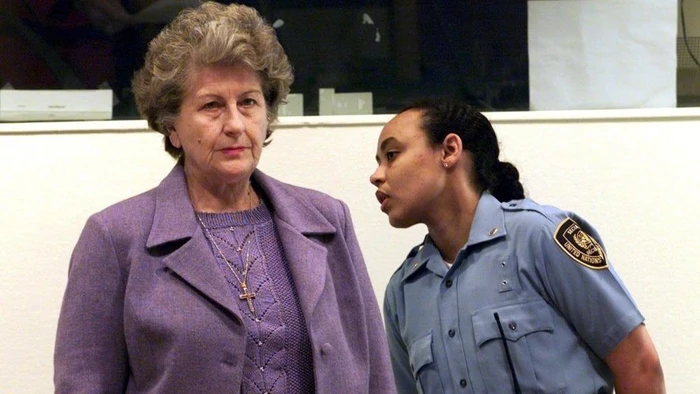
Biljana Plavšić, the former wartime leader of the Bosnian Serbs and one of the most notorious figures of Serbian ultranationalism in the 1990s, has died in Belgrade at the age of 96. A biology professor by profession, she became a founding member of Radovan Karadžić’s Serbian Democratic Party and a close political ally of figures such as Karadžić, Ratko Mladić and Momčilo Krajišnik.
Her words revealed the depth of the ethnic hatred behind her politics. In 1993, speaking about Bosniaks, she described Muslims as “genetically defective” Serbs and claimed that this supposed defect became increasingly concentrated from one generation to the next. These were not merely political disagreements—they were dehumanizing ideas used to justify the exclusion and persecution of an entire population.
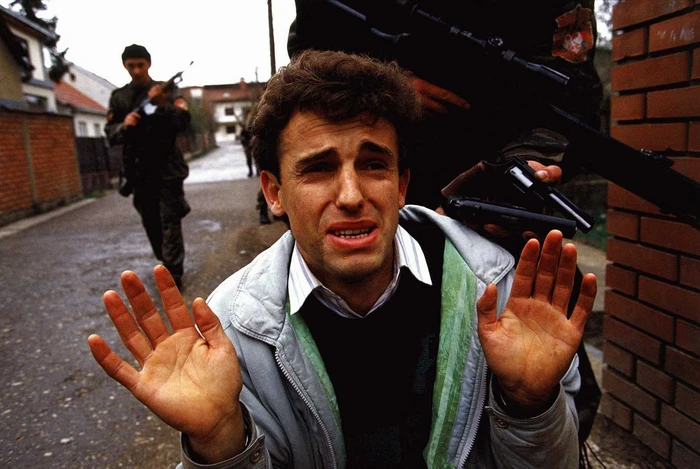
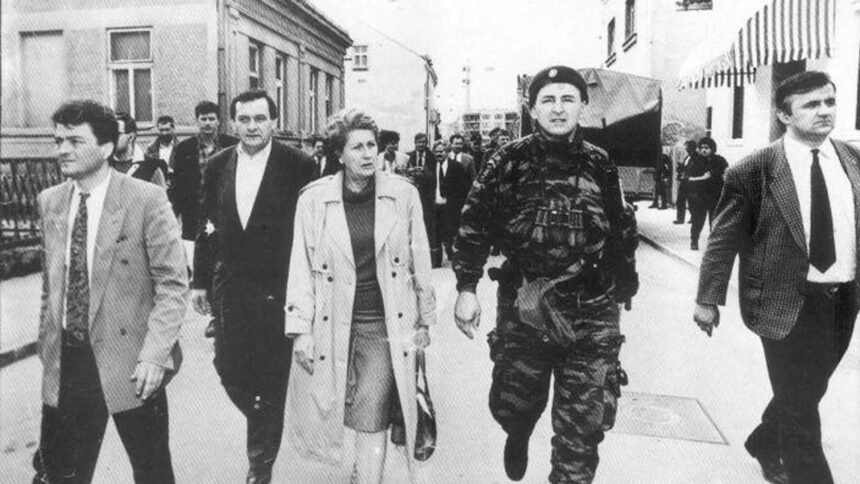
In April 1992, shortly after Arkan’s paramilitary forces massacred civilians in Bijeljina, Plavšić visited the city. Among the victims was 24-year-old Albanian Hajrush Ziberi, a waiter who was photographed by Ron Haviv shortly before he was killed. Instead of condemning the killers, Plavšić embraced and kissed Arkan, declaring: “I only kiss heroes.” She also praised Mladić as a “good man” and a “first-class soldier.”
The International Criminal Tribunal for the former Yugoslavia later convicted Plavšić of crimes against humanity and sentenced her to 11 years in prison. The court found that she had participated in the political campaign that contributed to the persecution and forced removal of Bosniaks and Croats. She eventually pleaded guilty, but after her release she claimed that the admission had been a tactical decision designed to secure a shorter sentence. She later insisted that she had done nothing wrong.
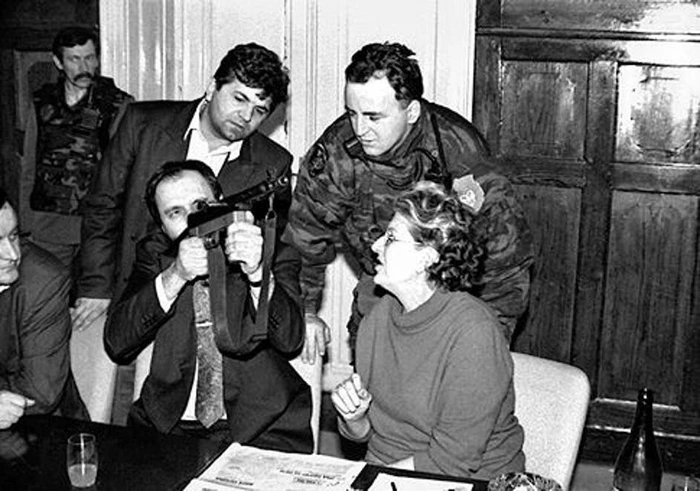
And this is where the story becomes even more revealing. After serving part of her sentence, Plavšić returned to Serbia, where she was welcomed by Milorad Dodik. The same Dodik who once presented himself as a critic of Karadžić and Mladić later became one of their most prominent defenders and a persistent denier of Serbian wartime crimes.
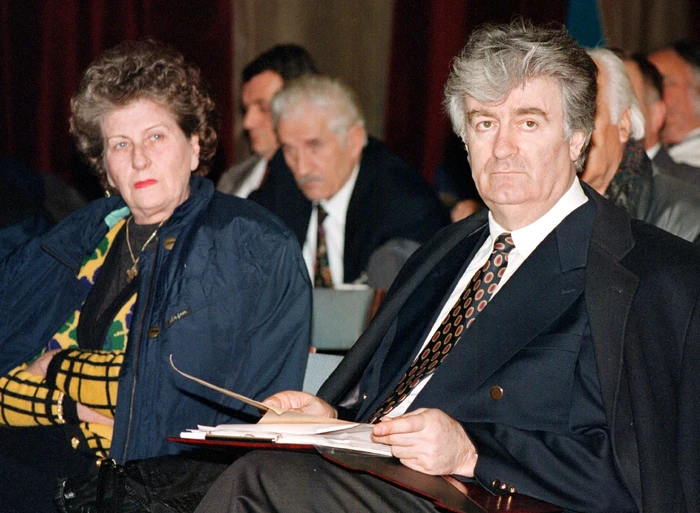
Now, after Plavšić’s death, Dodik has again praised her and said she deserves to be honored by Republika Srpska. That response is more than a personal tribute. It shows how little distance some parts of the Serbian nationalist political establishment have put between themselves and the figures responsible for the darkest chapters of the Bosnian war.
The victims cannot rewrite history. The perpetrators cannot erase it by dying. And no amount of nationalist glorification can change what happened in Bijeljina, Srebrenica, Sarajevo and across Bosnia and Herzegovina.