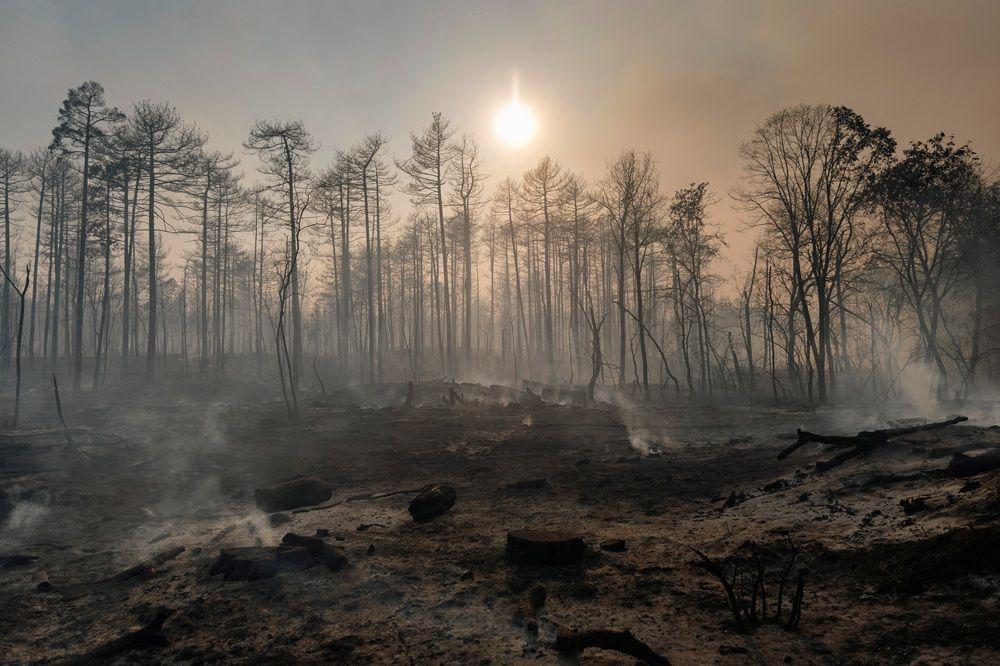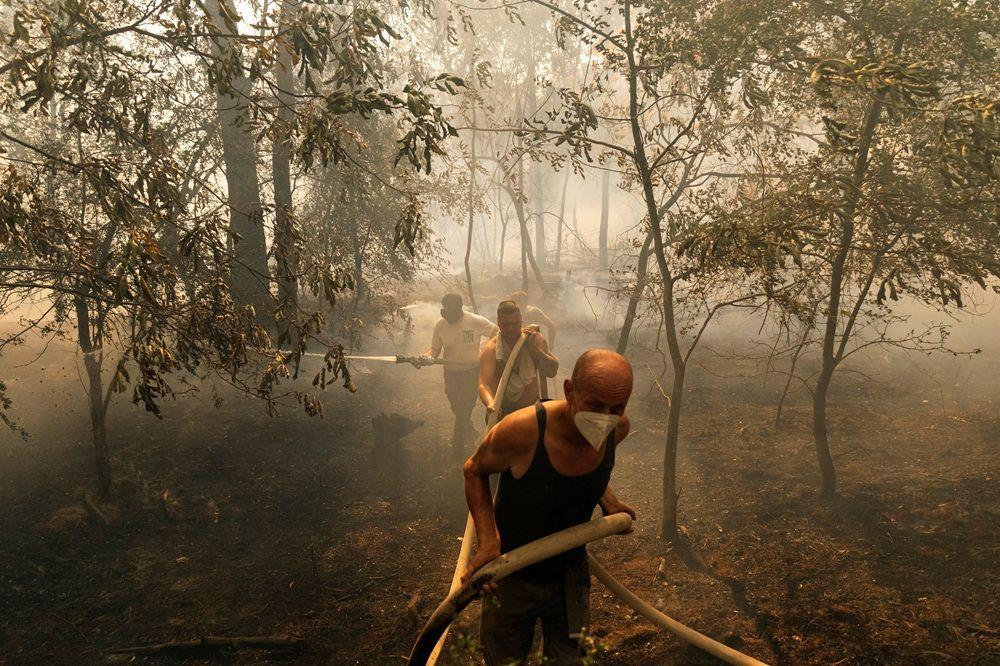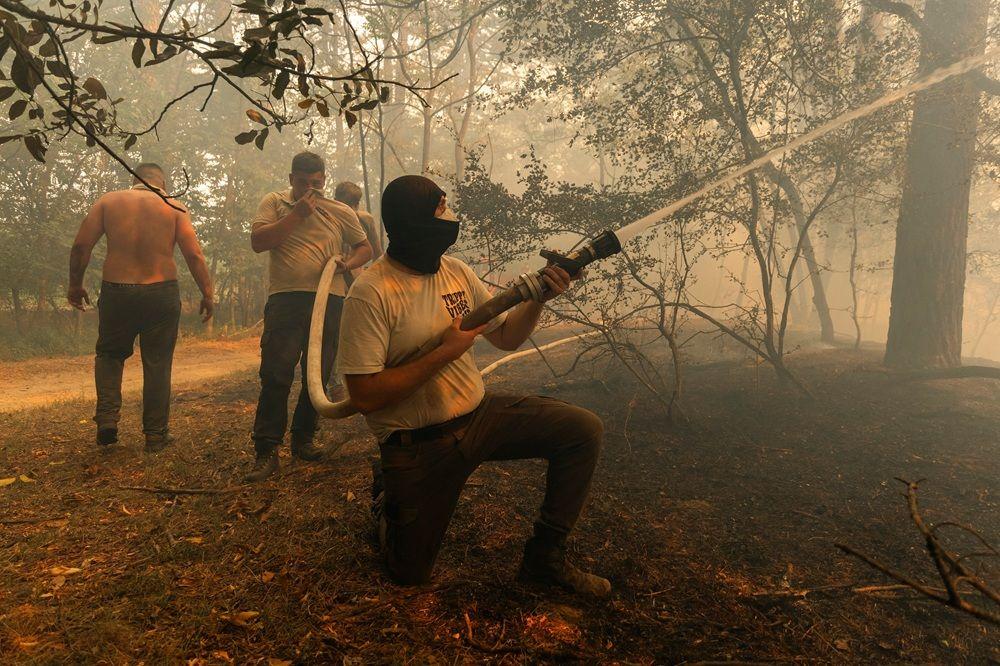
Brussels has raised questions over Serbia’s decision not to activate the EU Civil Protection Mechanism as devastating wildfires continue to spread across the country.
The European Commission confirmed that Serbia had not requested assistance through the mechanism, while saying that European partners could be mobilised if Belgrade formally sought help.
Instead, Serbia requested assistance from Russia.
On 20 August, a Russian Ilyushin-76 aircraft arrived in Serbia to help fight the fires, after Belgrade appealed to Moscow as the situation deteriorated. The aircraft is capable of releasing up to 42 tonnes of water in a single operation.
The decision is significant not only because of the scale of the emergency, but also because of Serbia’s broader foreign-policy position.
Serbia is a candidate for EU membership and regularly reiterates its commitment to the European path. Yet when the country faced a major natural disaster, Belgrade chose to seek assistance from Russia rather than activate the EU Civil Protection Mechanism available to it.
That choice comes against the backdrop of Serbia’s continued refusal to join EU sanctions against Russia over its invasion of Ukraine and its close political and diplomatic relationship with Moscow.
Belgrade has long attempted to maintain a balance between Brussels and Moscow, seeking closer integration with the EU while preserving strong ties with Russia. But decisions made during moments of crisis can reveal priorities more clearly than political declarations.
The Russian aircraft’s arrival also highlights the practical dimension of Serbia’s relationship with Moscow. Despite its declared European ambitions, Belgrade continues to rely on Russia in areas where political symbolism matters.
At the same time, the European Commission has made clear that Serbia can request assistance through the EU mechanism and that the bloc would coordinate support according to the needs on the ground.
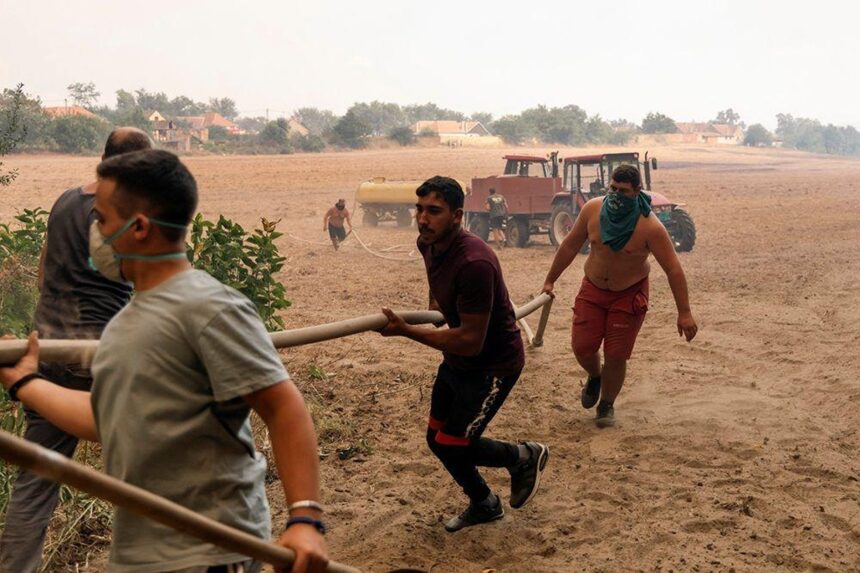
The fires in Deliblatska Peščara have already affected thousands of hectares, threatening forests, wildlife and nearby settlements, while firefighters and local residents continue to battle the flames.
For Serbia, the immediate priority is naturally to contain the fires. But the decision to turn to Russia for assistance instead of requesting support through the EU mechanism has once again highlighted the contradiction at the heart of Belgrade’s foreign policy.
Serbia says it wants to move towards Europe.
Yet when it needed help, Belgrade turned to Moscow.
And as long as Serbia continues to maintain such a close strategic and political relationship with Russia, its proclaimed European path will remain accompanied by a very visible shadow from the East.