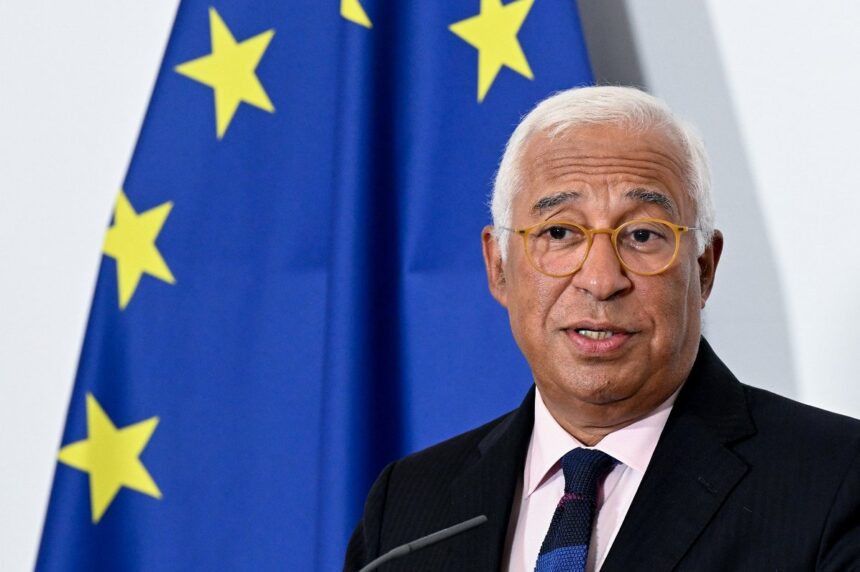
European Council President António Costa has welcomed an agreement by European Union member states to open new accession negotiation chapters with Ukraine and Moldova, describing the move as an important step in their paths toward EU membership.
In a post on X, Costa welcomed the decision and expressed hope that further chapters would be opened as soon as possible. The announcement comes as candidate countries continue working to align their legislation and institutions with EU standards.
The 27 EU member states agreed to open two additional negotiation chapters with Moldova, whose accession process is linked politically to that of Ukraine.
Progress on Ukraine’s EU path followed the country’s parliament approving legislation on minority rights in education and language use, a reform requested by Hungary.
The development is expected to help advance negotiations that had faced obstacles over Budapest’s concerns regarding the rights of the Hungarian minority in Ukraine.
Montenegro Advances in Accession Talks
Montenegro is also expected to make further progress, with three additional negotiation chapters due to be provisionally closed on Tuesday.
The country aims to join the EU in 2028, alongside Albania, although both candidates must continue meeting the bloc’s membership requirements.
Significant Reforms Still Required
Ukraine and other candidate countries still face substantial work before they can meet the EU’s acquis communautaire — the body of legislation, rules and standards that members must adopt across areas including environmental protection, agriculture and the internal market.
Each candidate must complete negotiations across at least 35 chapters before its accession treaty can proceed to final approval.
EU membership requires unanimous approval by all 27 member states, followed by ratification in each country, either through parliamentary procedures or a referendum.
The opening and closing of negotiation chapters represent important milestones, but they do not guarantee a specific accession date. The process depends on each candidate’s progress in implementing reforms and meeting the EU’s political, economic and legal criteria.