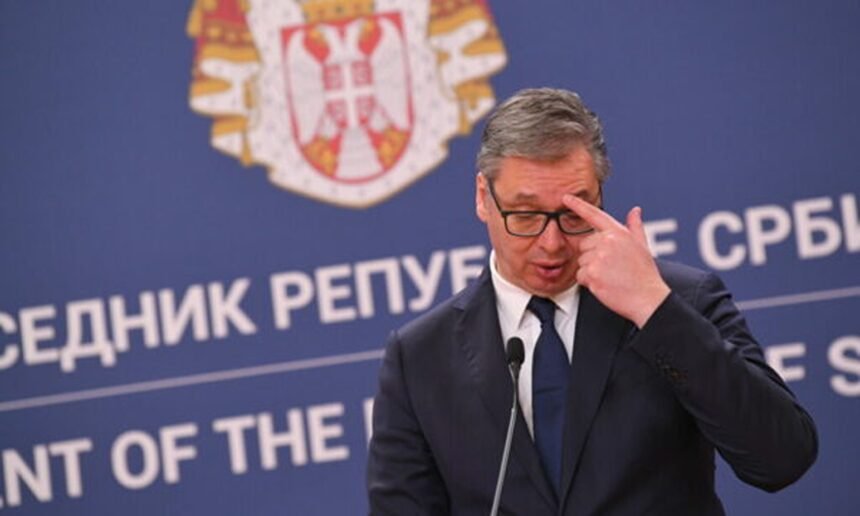
Croatian political analyst Davor Gjenero has argued that the increasingly hostile rhetoric coming from Aleksandar Vučić and Serbian authorities toward Montenegro is directly linked to Montenegro’s progress toward membership in the European Union.
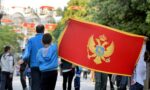
In an interview with Portal ETV, Gjenero said the sharp escalation in rhetoric from Belgrade became particularly visible during celebrations marking the 20th anniversary of Montenegro’s independence and the recent EU–Western Balkans summit held in Tivat.
“The closer Montenegro gets to European Union membership, the harsher the rhetoric coming from Serbia becomes,” Gjenero stated.
According to him, the current situation resembles events in 2016, when Serbia and Russia were accused of attempting to derail Montenegro’s accession to NATO through an alleged failed coup attempt on the day of parliamentary elections.
Gjenero believes Vučić understands that Montenegro’s eventual entry into the European Union would represent the definitive failure of what he described as the “Greater Serbia” project, rebranded in recent years as the “Serbian World” concept.
He warned against dismissing Belgrade’s rhetoric as merely political messaging aimed at domestic audiences, arguing that Serbia has spent months trying to influence political developments in Montenegro through local allies in an effort to slow down or obstruct the country’s European integration process.
The Croatian analyst welcomed recent statements by Montenegrin Prime Minister Milojko Spajić regarding the formation of a broad pro-European majority, saying such a coalition would be the most effective response to external pressure.
Gjenero also commented on incidents surrounding Vučić’s visit to Tivat, claiming that the presence of individuals resembling groups previously used by Belgrade in regional operations demonstrated the Serbian president’s willingness to push “to the limits of what is acceptable and beyond.”
He argued that Montenegro’s smartest response is to strengthen its pro-European political front while refusing to be drawn into provocations from Belgrade.
“As Montenegro moves closer to completing its EU accession negotiations, it has shown that it no longer plays in the same league as Vučić’s authoritarian regime,” Gjenero said.
He added that Montenegrin authorities acted wisely by refusing to respond to provocations during the Tivat summit, emphasizing that any reaction would only have created new opportunities for tensions.
Concluding his remarks, Gjenero stressed that ignoring provocations remains the most effective way to demonstrate where responsibility lies for the deterioration of relations between Serbia and Montenegro.