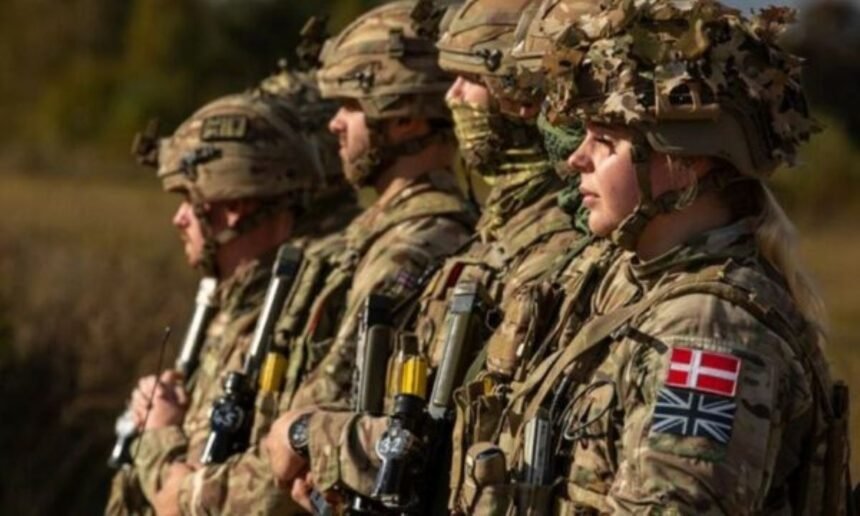
Denmark has begun implementing a significantly expanded military conscription program, with around 1,600 recruits starting an 11-month period of mandatory service as Copenhagen accelerates efforts to strengthen national and NATO defenses amid growing security concerns linked to Russia, the war in Ukraine and the Arctic.
The Danish government announced in 2024 that compulsory military service would be extended to women for the first time and that the standard period of service would increase from four months to 11 months. The number of annual recruits is also expected to rise from around 5,000 to 7,500 by 2033.
The latest intake comes as Denmark prepares to deploy conscripts to Greenland for the first time this month. More than 100 soldiers are expected to serve there for one month, taking over operational duties from professional troops.
The deployment carries additional political significance amid U.S. President Donald Trump’s repeated calls for the United States to acquire or annex Greenland, which is an autonomous territory within the Kingdom of Denmark. Both Greenlandic and Danish authorities have firmly rejected the proposal.
Danish Prime Minister Mette Frederiksen said at last month’s NATO summit in Ankara that Denmark was prepared to defend every inch of NATO territory, “including ours.”
The expanded military service is part of a broader effort by Denmark to increase its defense capabilities as security conditions across Europe deteriorate following Russia’s invasion of Ukraine and as strategic competition intensifies in the Arctic.
Among the new recruits is 19-year-old Silas Nohr from Varde in western Denmark, who said he welcomed the longer period of service.
“Now we have 11 months, and I think you can really get involved, experience it and become much more familiar with military life,” he said.
Under the new program, recruits will undergo five months of basic military training followed by six months of operational service.
Denmark’s conscription system applies to healthy young people when they turn 18. In practice, however, the armed forces have for years relied largely on volunteers, with the lottery system used primarily to fill remaining positions.
Denmark’s move follows a broader trend among Nordic and Baltic countries toward maintaining or strengthening compulsory military service. Sweden, Finland and Norway have conscription systems, while Estonia, Latvia and Lithuania also require military service.
The changes underscore Copenhagen’s growing focus on military readiness as Europe reassesses its defense posture in response to Russia and the increasingly strategic importance of the Arctic.