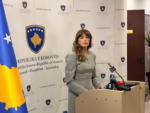
Jeton Zulfaj, Kosovo’s chief negotiator for European integration, has stressed that none of the reforms envisaged under the Reform Agenda will be abandoned, despite delays in meeting the deadlines.
He said that although it was unfortunate for Kosovo not to receive European Union funding on time, the reforms scheduled for the June 30 deadline remain part of the country’s agenda.
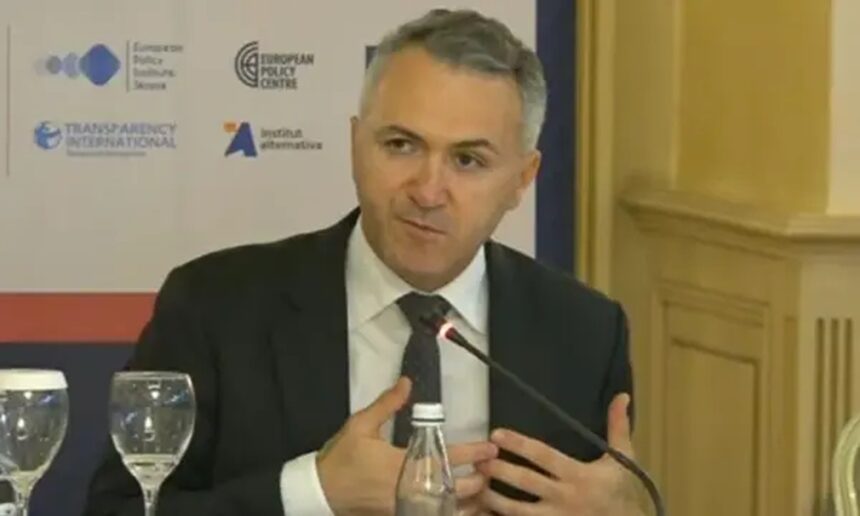
Speaking at a roundtable organised by the Group for Legal and Political Studies (GLPS), titled “Kosovo’s Path to the EU After Political Deadlock: From Momentum to Reforms,” Zulfaj said most of the outstanding reforms are expected to be implemented during this year.
“We have said several times that reforms are not lost. We are engaged in a reform process, and it is called the ‘Reform Agenda.’ Of course, it is unfortunate when funding cannot be secured on time. This is also a matter of deadlines, but all the reforms scheduled for June 30 remain on our reform agenda, with most expected to be implemented this year. No reform will be left behind. Delays in the reform process are unfortunate, but today we have time to discuss them,” Zulfaj said.
He emphasised that fact-based criticism and accurate public information are essential for improving the work of institutions and advancing the reform process.
According to Zulfaj, the EU Growth Plan includes 111 reform steps across five areas, aimed at improving public services, boosting economic growth, creating more opportunities for young people, advancing social development, and protecting citizens’ rights and freedoms.
Zulfaj said Kosovo could benefit from €882 million under the plan, of which one-third would be grants and two-thirds loans.
“Fact-based criticism helps our work and improves our institutions. Your role is extremely important, not only in providing constructive criticism but also in ensuring that the public receives accurate information. As you know, the Growth Plan includes 111 reform steps divided into five areas that will bring significant changes to society. They aim to improve citizens’ lives, stimulate economic growth, deliver better public services, create more opportunities for young people, advance social support, and protect rights and freedoms,” he said.
“Reforms are certainly linked to conditionality. The Growth Plan has four pillars, with the final two concerning the reform agenda and incentives for implementing these reforms. Of the €882 million Kosovo could receive, one-third consists of grants and two-thirds of loans. Their importance lies not only in the funding but also in their substance and their impact on citizens’ lives.
“I believe we are all on the same side here: 18 responsible institutions, including ministries and independent institutions, as well as the Assembly, alongside all of you as partners in this process, with citizens as the ultimate beneficiaries,” Zulfaj added.
Kosovo’s chief negotiator stressed that the EU accession process requires a joint commitment from state institutions, civil society and the media, while respecting the separation of powers and the responsibilities of each institution.
“Accession to the European Union requires a whole-of-society approach and commitment. We have said this several times, including with regard to civil society. However, powers are separated. The government leads the process, but it cannot do the work of the judiciary, because that is the judiciary’s responsibility. It cannot pass laws, because that is the Assembly’s responsibility. Nor can it carry out the work of independent agencies.
“The media and civil society must also play their role as an important and vital pillar of democracy by ensuring that citizens receive accurate information,” Zulfaj said.