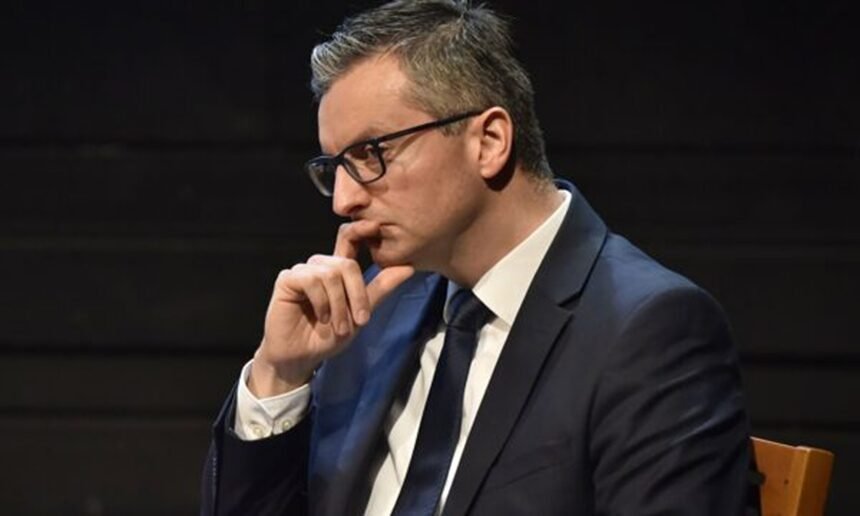
The European Parliament’s rapporteur for Montenegro, Marjan Šarec, has criticized Serbian President Aleksandar Vučić, stating that his attitude toward Montenegro “does not look good.” As an example, Šarec noted that Vučić did not congratulate Montenegro on the 20th anniversary of the restoration of its independence.
In an interview with Television E, Šarec said that Montenegro has done its part on the path toward European Union membership and that such behavior “says more about Serbia’s leadership than about Montenegro itself.”
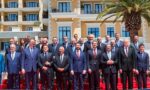
“Sometimes it resembles a situation where a neighbor has a better car, and that causes a reaction. Montenegro has done its homework. The summit in Tivat was a success, a great honor, but also a responsibility. The leaders sent optimistic messages, and Montenegro is striving to become the next member of the European Union,” he said.
Speaking about Montenegro’s EU integration process, Šarec stressed that responsibility for the success or failure of the process lies with those in power. However, he noted that constitutional amendments require a two-thirds majority, making cooperation between the government and the opposition essential.
He assessed that the opposition has made an important contribution to the European integration process and expressed hope that political actors will reach compromises on issues requiring broader support.
According to Šarec, polarization within Montenegrin society remains visible, but he does not consider the situation alarming, as negotiations between political stakeholders continue and no one wishes to become an obstacle to the country’s European path.
The European Parliament rapporteur said he regularly meets with representatives of both the government and the opposition. He also announced that representatives of the Democratic Party of Socialists will travel to Strasbourg next week for consultations regarding the integration process.
Šarec also highlighted the role of municipalities in the EU accession process, emphasizing that the European Union allocates significant funding to local communities because of their direct contact with citizens.
Regarding warnings that the Netherlands could potentially block progress in Montenegro’s negotiations, Šarec said that nothing should come as a surprise in European politics, but expressed hope for a positive outcome when the report is voted on in Strasbourg next week.
He concluded that Montenegro has so far demonstrated the ability to find political solutions and that the road to EU membership requires cooperation among all political forces.