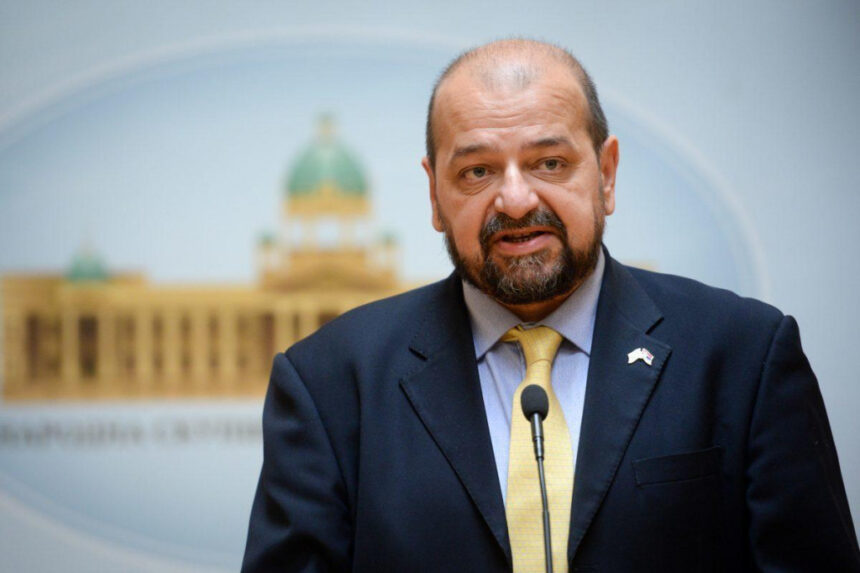
The results of the elections in Hungary represent more than a simple change of government, according to political analyst Dragan Shormaz. They reflect a broader political and civilizational choice between two models of democracy: liberal democracy and hybrid governance.
The defeat of Viktor Orbán and the victory of the opposition coalition led by Péter Magyar mark the end of a political era in which hybrid democratic systems attempted to present themselves as a sustainable alternative to the European model. According to Shormaz, Hungarian voters have now clearly rejected that path.
He argues that the election results carry wider messages beyond Hungary itself. One key takeaway, he says, is that narratives built around “state protectors” and self-declared sovereignist leaders eventually lose credibility when confronted with real economic and social conditions. Propaganda, particularly when built on external threats, can only remain effective for a limited time before public trust erodes.
Shormaz also emphasizes that European populations situated between Russia and the European Union consistently tend to choose Europe when faced with geopolitical pressure, not out of ideology but out of pragmatic interest in stability, economic development, and legal certainty.
Another important lesson, he notes, is that political change does not happen spontaneously. It requires organization, strategy, and a credible alternative. In Hungary, he argues, the opposition succeeded not only because of government weaknesses, but because it presented a structured political program, strong leadership, and organized outreach.
He further states that despite media dominance and institutional control by ruling parties, facts and reality eventually prevail over manipulation, even if the process takes time. Democratic systems, he concludes, remain more resilient in the long term than hybrid or authoritarian structures because of their capacity for renewal.
Shormaz draws direct parallels with Serbia, arguing that political change there will also not happen automatically. He says that opposition forces must present a clear and credible alternative, particularly focused on economic conditions, rule of law, and European integration.
According to his analysis, Serbia’s future political direction should be clearly oriented toward European Union membership, accompanied by reforms in governance, media freedom, human rights, and economic development. He also argues for a clear foreign policy alignment with the EU, including distancing from Russia and advancing energy diversification.
On Kosovo, Shormaz states that Serbia must commit to implementing existing agreements within the EU-facilitated dialogue framework, as part of its European integration process.
He concludes that Hungary’s elections were not only about political leadership change but about strategic direction, and that similar choices will soon define Serbia’s future as well.