Hungary has described Russia as a threat to Europe and the international order in new foreign-policy guidelines issued to its representatives at the United Nations, marking a major shift in Budapest’s approach to Moscow.
The document was prepared ahead of the upcoming UN General Assembly and was published by The Kyiv Independent. It states that Hungary “condemns Russian military aggression” and supports Ukraine’s sovereignty and territorial integrity within its internationally recognized borders.
It also explicitly declares that “Russian behavior constitutes a threat to Hungary, Europe and the world order.”
The language represents a significant departure from the policy pursued under former Prime Minister Viktor Orbán, whose government maintained close political and economic ties with Moscow and was frequently regarded as one of the EU’s most Russia-friendly administrations.
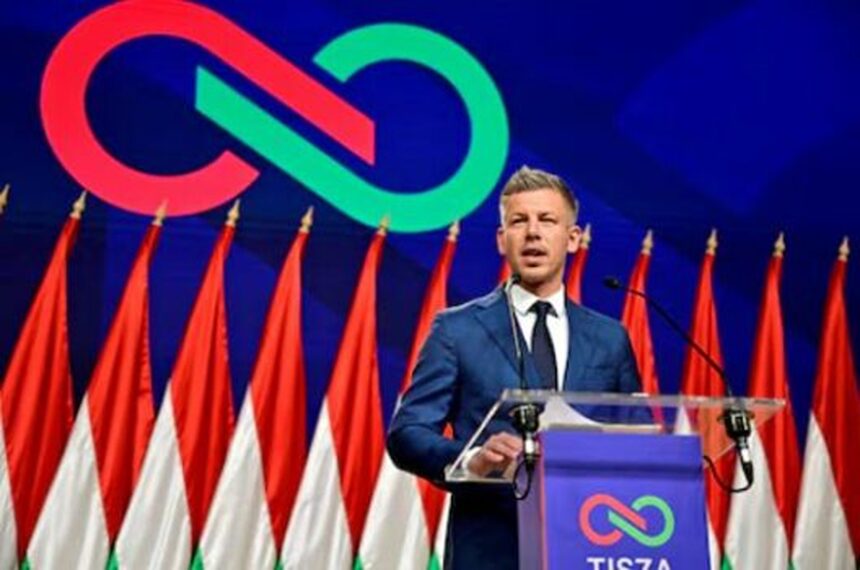
The shift follows the election victory earlier this year of Prime Minister Peter Magyar, whose government has moved Hungary significantly closer to the European Union and adopted a more critical position toward Russia.
Budapest moves closer to Kyiv
The change in foreign policy has already begun affecting Hungary’s relations with Ukraine.
Budapest and Kyiv have taken steps to improve bilateral relations in recent weeks, with Ukrainian Foreign Minister Andriy Sybiha welcoming Hungary’s decision to drop a money-laundering investigation involving a convoy of Ukrainian bank vehicles.
In March, Hungarian authorities seized two bank vehicles traveling from Austria to Ukraine. The vehicles reportedly contained around $82 million in cash and gold, prompting the previous government to launch an investigation over suspected money laundering.
The new Hungarian government has also lifted a nine-month ban on Ukrainian media imposed under the Orbán administration, saying it wanted to improve relations with Kyiv.
Implications for EU enlargement
Hungary’s policy shift could also have broader consequences for Ukraine’s European integration.
Following an agreement between Hungary and Ukraine in June, the final obstacle to opening EU accession negotiations with Ukraine and Moldova was removed. All 27 EU member states subsequently agreed to open the first negotiating cluster.
Hungary’s new position therefore represents more than a rhetorical change toward Moscow. It signals a broader realignment in Budapest’s foreign policy, with the government seeking closer relations with the EU and Ukraine while explicitly framing Russian behavior as a security challenge to Hungary, Europe and the wider international order.