Indiana Governor Mike Braun has declared a new energy emergency in the US state, citing disruptions to global oil shipping routes linked to the escalating Russia-Ukraine conflict.
In a post on X on Wednesday, Braun said he had signed an executive order extending the suspension of state gasoline taxes and related excise taxes. The measures, which had been due to resume on Friday, will now remain suspended until September 5.
Braun’s office said the emergency was triggered by new disruptions to global oil shipping corridors in recent weeks, including around the Black Sea and Kerch Strait, as the Russia-Ukraine conflict has intensified into a wider campaign involving drone attacks at sea. The office also cited disruptions affecting Alberta’s oil sands caused by wildfires in Canada.
According to the governor’s office, the disruptions have pushed fuel prices to “abnormally high levels” outside what would normally be expected under standard economic conditions.
The Indiana Capital Chronicle reported that Braun had initially suspended part of the state’s gasoline taxes in early April, after fuel prices surged amid the blockade of the Strait of Hormuz during the US-Israeli war with Iran.
Russia and Ukraine have intensified attacks on ships and port infrastructure in recent weeks, seeking to disrupt each other’s military and logistical supply chains.
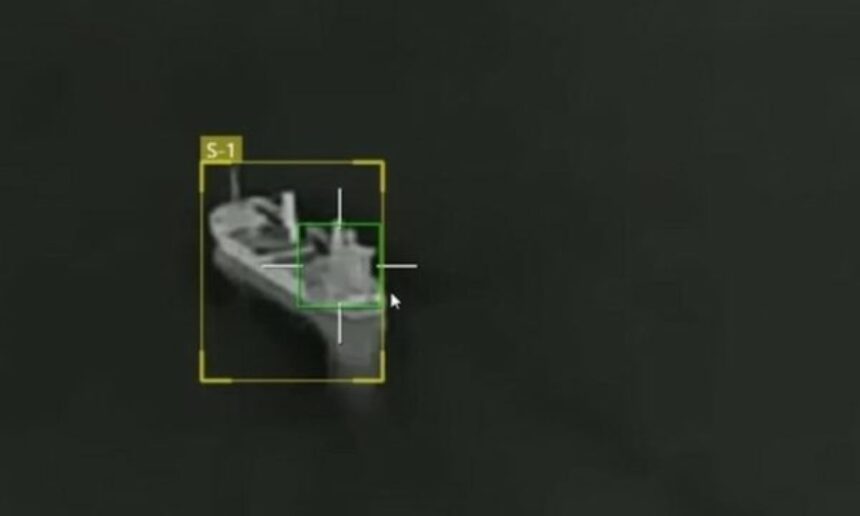
In its latest daily report on Wednesday, Russia’s Defense Ministry claimed that its forces had struck three cargo vessels off Ukraine’s Odesa region, alleging that the ships were carrying military equipment. The claims have not been independently verified.
Ukrainian President Volodymyr Zelenskyy announced on June 25 what he described as a 40-day campaign aimed at increasing pressure on the Kremlin to “end the war.” The announcement coincided with intensified Ukrainian drone attacks targeting Russian energy facilities and warehouses associated with Wildberries, a major Russian e-commerce company.
Moscow subsequently intensified its own attacks on Ukrainian ports and vessels.
Russia has repeatedly warned that continued Western support for Ukraine will prolong the conflict, while arguing that sanctions against Moscow are also contributing to higher energy prices in Western countries.
The Kremlin has similarly criticized the US-Israeli military campaign against Iran, with Russia’s Foreign Ministry warning that the conflict in the Middle East could pose a direct threat to global energy security.
The developments highlight the growing impact of military disruptions far beyond the immediate war zone, with attacks on maritime infrastructure and major shipping routes increasingly affecting global energy markets and fuel prices.