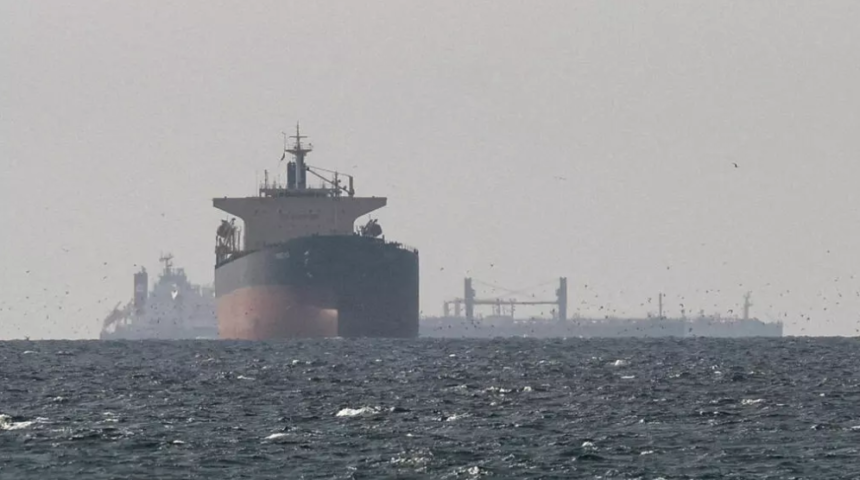
In a move that has sent ripples through global energy markets, Iran has demanded full sovereignty over the Strait of Hormuz as part of its latest counter-proposal to the United States aimed at ending the current conflict.
The strategic waterway has been effectively blockaded by Tehran since February, following the outbreak of war involving the U.S. and Israel. According to reports from Iranian state media and CNN, the demand for control over this transit point is now a central pillar of Iran’s diplomatic stance.
A Global Energy Chokepoint
The Strait of Hormuz is widely considered the world’s most important oil transit channel. Bordered by Iran and Oman, it serves as the primary gateway for crude oil departing from major producers, including Saudi Arabia and Kuwait, to the global market.
The Legal Conflict: EEZ vs. Innocent Passage
The Iranian demand sets up a major legal confrontation regarding international maritime law. The dispute centers on two conflicting interpretations of the United Nations Convention on the Law of the Sea (UNCLOS):
- Sovereign Rights: Under UN rules, a coastal state has “sovereign rights” to explore, exploit, and manage natural resources within its Exclusive Economic Zone (EEZ).
- Innocent Passage: Conversely, UNCLOS explicitly states that “ships of all states… enjoy the right of innocent passage through the territorial sea.” This means a coastal state generally cannot obstruct the transit of foreign vessels unless the passage is deemed “prejudicial to peace, good order, or security.”
Current Deadlock
Iran has argued that it can take “necessary steps” within its territorial waters to prevent passage that it deems “non-innocent” under current wartime conditions. However, the U.S. and its allies maintain that the blockade is a violation of international law and a threat to global economic stability.
The inclusion of sovereignty over the Strait in peace negotiations signals a significant escalation in Tehran’s territorial ambitions, potentially redrawing the security architecture of the Persian Gulf if accepted.
Strait of Hormuz: Fast Facts
- Location: Between the Persian Gulf and the Gulf of Oman.
- Significance: Roughly one-fifth of the world’s total oil consumption passes through the Strait daily.
- Status: Effectively closed by Iran since February 2026.