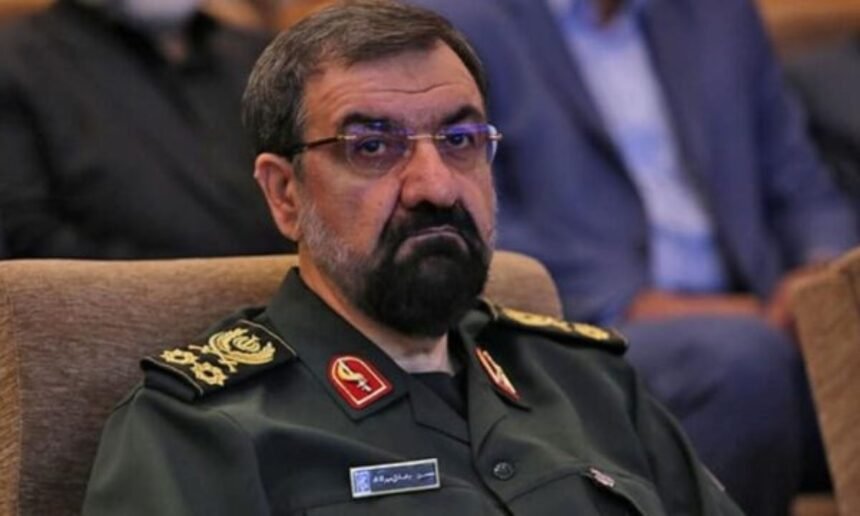
Iran was prepared to launch attacks against three locations in Ukraine following an alleged strike on an Iranian commercial vessel in the Caspian Sea, a senior military adviser to Supreme Leader Mojtaba Khamenei said Monday, according to Iranian state television.
Mohsen Rezaei said in an interview with Iranian state broadcaster Press TV that Tehran had been prepared to retaliate against Ukraine but suspended the planned response after Kyiv reportedly described the incident as accidental.
“We were ready to attack three areas in Ukraine,” Rezaei said, according to Press TV, as cited by CNN. He added that Iran paused its response after Ukraine claimed the incident had been a mistake so that Tehran could examine the explanation.
Last week, Iran accused Ukraine of striking an Iranian commercial vessel carrying iron cargo in the Caspian Sea, reportedly killing one crew member and injuring three others.
Ukraine, meanwhile, said it had conducted drone attacks against two Russian vessels carrying military cargo in the Caspian Sea.
The allegations prompted Iranian officials to warn of retaliation. Tensions subsequently eased following a telephone conversation between the foreign ministers of Iran and Ukraine.
Iranian Foreign Minister Abbas Araghchi later said his Ukrainian counterpart had assured him that the Iranian vessel had not been deliberately targeted.
Rezaei nevertheless maintained that an apology over an alleged mistake would not necessarily resolve the issue.
“Even if it was a mistake, it still requires compensation,” he said.
The senior Iranian official also addressed the escalating confrontation surrounding the Strait of Hormuz, saying Tehran was currently focused on negotiations with Oman rather than direct talks with the United States.
“If the blockade continues, U.S. forces will suffer losses,” Rezaei warned, adding that Washington should change its approach and honor its commitments.
The comments come amid heightened regional tensions involving Iran, the United States and their respective allies, with developments around the Strait of Hormuz continuing to carry broader security and economic implications.