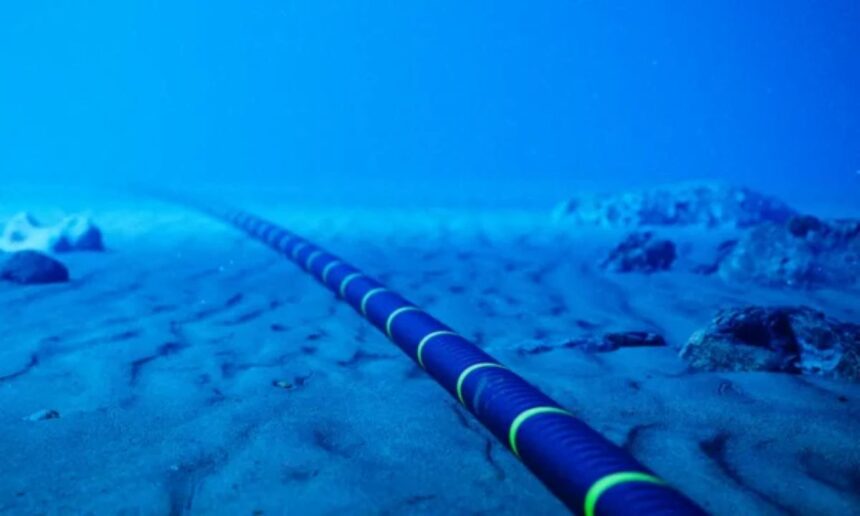
A new geopolitical threat is emerging in the Middle East as Iran proposes a strategy to transform the Strait of Hormuz into a “digital choke point.” According to a report by Sinjali.com, Tehran is considering imposing tariffs, regulations, or potentially sabotaging the vital undersea fiber-optic cables that traverse the seabed in the region.
This move marks a shift from traditional maritime blockades to digital infrastructure warfare, targeting the very veins of the global economy.
The Critical Importance of Undersea Cables
The Strait of Hormuz is not only a primary corridor for global oil; it is also a massive hub for international telecommunications.
- The Owners: These cables are largely owned and operated by tech giants including Google, Meta, Microsoft, and Amazon.
- The Impact: These lines facilitate the vast majority of internet traffic between Europe, the Middle East, and Asia.
- The Risk: Sabotage or heavy regulation of these cables could lead to massive internet outages, data latency, and severe disruption of digital services used by hundreds of millions of people daily.
Digital Sovereignty or Hostage-Taking?
Iran’s proposal suggests that because these cables pass through or near its territorial waters, the state should have the right to “regulate” or “tax” the data flowing through them. However, security analysts view this as a form of digital blackmail, intended to gain leverage against Western sanctions.
Potential Scenarios:
- Digital Tariffs: Forcing tech companies to pay “transit fees” for data packets.
- Data Interception: Attempting to tap into the cables for intelligence gathering.
- Physical Sabotage: Cutting cables to cause regional or global internet blackouts during times of heightened military tension.
A Heightened Security Risk
This “new weapon” comes at a time when the Strait of Hormuz is already under a heavy U.S. naval blockade. By targeting digital infrastructure, Iran is seeking to bypass traditional military power and hit the West—and the global tech industry—where it is most vulnerable.
The international community and major tech firms are reportedly in high-level discussions on how to diversify cable routes, potentially bypassing the Hormuz and Red Sea corridors via overland routes through Saudi Arabia or new deep-sea paths in the Indian Ocean.