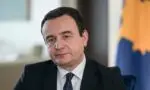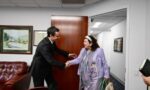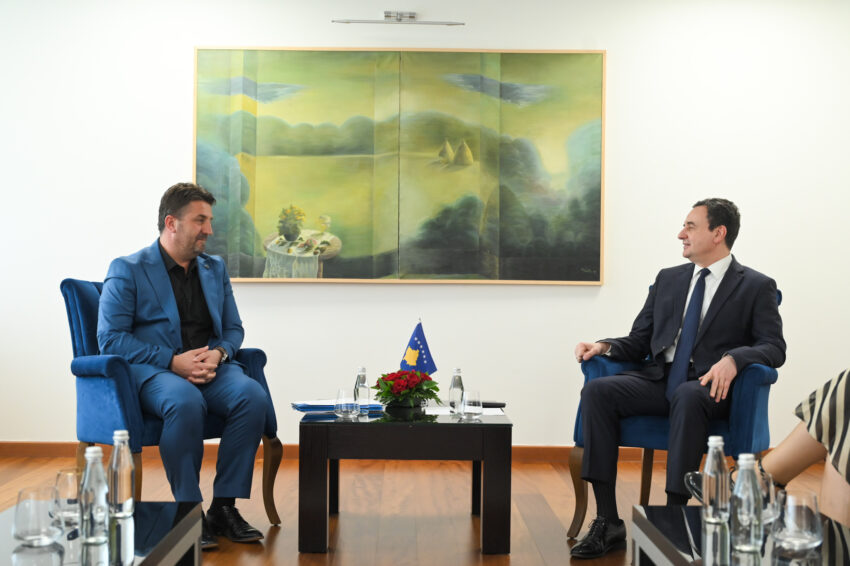
On May 8, 2026, Acting Prime Minister Albin Kurti met with Atdhe Hetemi, the Executive Director of the Institute for Crimes Committed During the War in Kosovo (IKKL). During the meeting, Hetemi officially submitted the institute’s semiannual progress report covering the period from November 2025 to May 2026.
The report details Kosovo’s first centralized, state-led effort to verify and document the atrocities of the 1998–1999 conflict, marking a significant milestone in the country’s transitional justice framework.
Digitalizing History: Databases of Victims and Massacres
A primary focus of the report is the development of three foundational databases, which Hetemi highlighted as the institute’s core achievements over the past six months:
- Victims Database: A comprehensive, verified list of war victims.
- Massacre Database: Documentation of specific sites and events where mass killings occurred.
- Mass Grave Database: Institutional mapping of mass burial sites across the territory.
According to the Prime Minister’s office, this is the first time such records are being managed through a centralized institutional process rather than fragmented NGO or international efforts. These databases are intended to serve as the definitive baseline for future scientific research, education, and legal redress.
From War to Recovery: International Engagement
The meeting also reviewed the outcomes of the international conference, “From War to Recovery: A Multidisciplinary Approach Towards Kosovo’s War Trauma.”
- Participation: The event gathered over 200 scholars, forensic experts, and institutional representatives.
- Focus: The conference addressed the psychological and societal scars of the war, moving beyond forensic facts to address the long-term recovery of the Kosovar people.
Expanding the Archives
Efforts are currently underway to consolidate and expand the institute’s archival and library funds. This includes strengthening cooperation with local and international institutions to ensure that historical memory is preserved against revisionism.
“Justice for victims, institutional documentation, and the protection of historical truth remain a state and social obligation of the Republic of Kosovo,” Kurti stated during the meeting.
The Path to 2026 and Beyond
The IKKL’s work is increasingly critical as Kosovo nears the 30th anniversary of the war’s end. By institutionalizing the “collective memory,” the government aims to provide a solid legal and historical foundation for its ongoing claims regarding war damages and the fate of the 1,565 individuals who remain missing—a topic Kurti also raised earlier this week in meetings with the UNHCR.