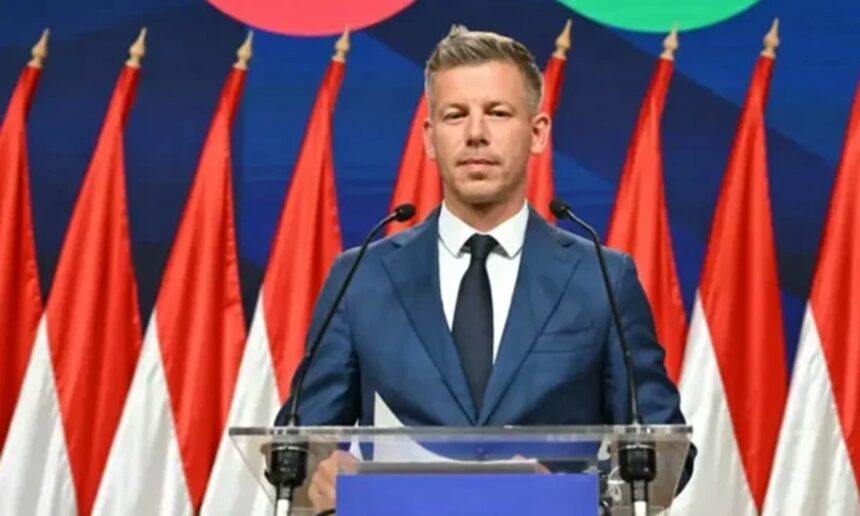
In a major diplomatic development following Hungary’s recent political shift, Hungarian Prime Minister Péter Magyar and European Parliament President Roberta Metsola held high-stakes talks regarding the termination of the EU’s long-standing rule-of-law disciplinary process against Budapest.
The Article 7 procedure—frequently referred to as the European Union’s “nuclear option”—was initially triggered by the European Parliament eight years ago in 2018. It was launched in response to severe democratic backsliding, judicial interference, and systemic corruption under the previous administration of Viktor Orbán, whose 16-year rule ended following Magyar’s landslide election victory.
1. The Brussels Mandate: Unlocking €16 Billion in Frozen Funds
For Prime Minister Magyar, concluding the Article 7 sanctions regime is an absolute financial and political priority. His center-right Tisza party secured a decisive parliamentary supermajority on a platform of sweeping anti-corruption reforms and structural realignments designed to normalize relations with Brussels.
The Core Objectives of the Magyar Administration

 [ DE-ESCALATING TENSIONS ]  ──► COOPERATIVE REVOLUTION
 • Formally shifting Hungary away from the highly confrontational, veto-heavy
   posture utilized by the previous Fidesz administration.

 [ STRUCTURAL REFORMS ]       ──► COMPLIANCE MATRIX
 • Preparing an extensive legislative package targeting judicial independence,
   transparency, and anti-corruption asset freezing.

 [ CAPITAL ACQUISITION ]      ──► CAPITAL UNFREEZE
 • Meeting specific EU benchmarks to successfully reclaim more than €16 billion
   in vital European cohesion and recovery funds.
“We agreed that the Article 7 procedure launched against Hungary eight years ago — in response to concerns over the rule of law and democracy under the previous government — should be concluded by autumn.”
— Péter Magyar, Prime Minister of Hungary
2. Institutional Caution: The Parliament’s Stance
While Prime Minister Magyar expressed high optimism on social media following the meeting, President Metsola’s office issued a distinctly more measured and cautious readout. The European Parliament has made it clear that while it welcomes Hungary’s historic political shift, it will not drop its guard without verifiable, legal changes on the ground.
Diverse Perspectives Inside the European Parliament
┌────────────────────────────────────────────────────────────────────────┐
│                                                                        │
│  [ ROBERTA METSOLA (PRESIDENT) ] ──────────────────────────────────┐   │
│  • Emphasized that any potential timeline or rollback is entirely     │   │
│    conditional on MEPs observing "concrete actions" and real progress.│   │
│                                                                        │   │
│  [ MANFRED WEBER (EPP LEADER) ] ───────────────────────────────────┤   │
│  • Strongly advocating for an immediate end to the proceedings.       │   │
│    Magyar's Tisza party is a highly influential new member of the EPP. │   │
│                                                                        │   │
│  [ THE PARLIAMENTARY MONITORING BODY ] ────────────────────────────┘   │
│  • Green and Renew MEPs insist the process remain active until an      │
│    official rule-of-law monitoring mission evaluates Budapest in October.│
└────────────────────────────────────────────────────────────────────────┘
3. The Path to Resolution
Terminating the Article 7 procedure requires a definitive majority vote among European lawmakers. The upcoming political timeline will dictate whether Hungary can successfully decouple itself from its previous pariah status within the bloc.
| Strategic Stage | Expected Timeline | Core Requirement |
| Plenary Address | Post-Summer Recess | Prime Minister Magyar will formally address the European Parliament in Strasbourg to lay out his legislative roadmap. |
| DRFMG Fact-Finding Mission | October 2026 | The Parliament’s Rule of Law Monitoring Body will deploy to Budapest to objectively audit institutional changes. |
| The Autumn Target | Late Autumn 2026 | The absolute earliest window for EU group leaders to schedule a vote to officially terminate the 2018 preventative measures. |
Though the political willingness to accommodate the new Hungarian government is highly evident among center-right factions in Brussels, left-wing, green, and liberal lawmakers are demanding strict adherence to objective metrics. Prime Minister Magyar’s ability to swiftly pass anti-corruption laws through his parliament this summer will decide whether the €16 billion freeze melts away by winter.