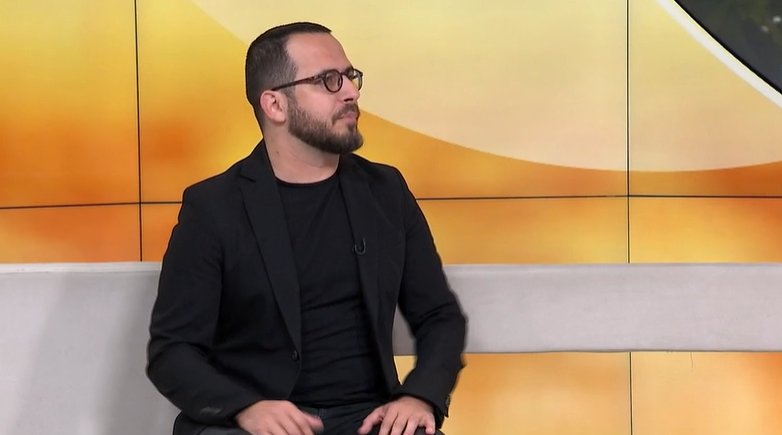
Nemanja Todorović Štiplija states that Brussels’ patience has run out, noting that structural Franco-German integration rewards will strictly lock out countries lacking democratic reforms.
In a critical assessment of the ongoing European Union–Western Balkans Summit in Tivat, Montenegro, the Executive Director of the Center for Contemporary Politics, Nemanja Todorović Štiplija, warned that Serbia’s geopolitical leverage within the enlargement process has severely collapsed.
Speaking with N1 Belgrade, Štiplija noted that Belgrade is no longer being treated as an essential, constructive partner by EU decision-makers. Instead, a distinct lack of domestic political will to implement democratic reforms has relegated the country to the structural margins of the region.
The “Black Sheep” Status and Broken Stability Paradigms
For years, diplomatic circles in Brussels tolerated architectural flaws in Serbia’s rule of law due to the country’s size and potential to destabilize its neighbors. According to Štiplija, that era of preferential leniency has officially ended.
┌────────────────────────────────────────────────────────────────────────┐
│             The Regional Shift in EU Integration Success               │
├───────────────────────────────────┬────────────────────────────────────┤
│ STRUGGLING / STAGNANT TRACKS      │ ACCELERATING / REFORMIST TRACKS    │
├───────────────────────────────────┼────────────────────────────────────┤
│ • SERBIA: Undermined by systematic │ • MONTENEGRO: Moving fast under    │
│   anti-EU media campaigns.        │   the established methodology.     │
│ • NORTH MACEDONIA: Frozen due to  │ • ALBANIA: Strengthening dedicated │
│   a lack of reform momentum.      │   anti-corruption institutions.    │
├───────────────────────────────────┴────────────────────────────────────┤
│ CRITICAL FAULT: Shifting focus strictly to economic markets while       │
│ completely ignoring the rule of law and Chapter 31 foreign policy alignment.│
└────────────────────────────────────────────────────────────────────────┘
Expert Commentary: “There is an ongoing fear across the Western Balkans that Belgrade could intentionally manufacture a regional crisis,” Štiplija stated. “Serbia is increasingly viewed as the black sheep of the region. While neighboring states like Montenegro and Albania systematically strengthen their judicial institutions to fight corruption, Serbia and North Macedonia have voluntarily stalled.”
Unpacking the Franco-German Non-Paper: Strict Prerequisites
Addressing the newly unveiled Franco-German non-paper—which echoes German Chancellor Friedrich Merz’s model for an “Expanded European Economic Area Plus”—Štiplija clarified that these upcoming structural rewards are not free handouts.
The document explicitly binds early institutional access to unyielding democratic baselines:
                [Core Prerequisite: Total Cluster 1 Compliance]
                        (Rule of Law & Democratic Norms)
                                       │
            ┌──────────────────────────┴──────────────────────────┐
            ▼                                                     ▼
[EU Single Market Access]                              [Foreign Policy Observer]
Requires the complete closure                          Requires 100% alignment and
of negotiation Chapters 1 through 5.                   closure of Chapter 31.
These strict conditions present a direct obstacle to Serbian President Aleksandar Vučić’s regional plans. Belgrade’s current alignment with EU foreign policy stands as the lowest in the region, and its media landscape is actively dominated by state-backed anti-European rhetoric.
Border Friction and the Failed “Tivat Declaration”
The summit’s atmosphere was further strained by a diplomatic incident earlier in the week, where Montenegrin border authorities denied entry to a charter flight from Serbia carrying individuals equipped with political banners and communication gear.
- The Incident: Montenegrin police intercepted Serbian nationals attempting to enter Tivat with “Serbia Wins” propaganda materials. Independent monitors connected the passengers to shadow electoral operations.
- The Fallout: Štiplija dismissed President Vučić’s claims of ignorance regarding the flight, stating the operation successfully manufactured unnecessary friction between Belgrade, Podgorica, and Brussels.
- The Structural Consequence: Due to this deep diplomatic fragmentation, the anticipated Tivat Declaration will not be signed, as achieving the mandatory consensus among all Western Balkan applicant states has become functionally impossible.
With the EU explicitly showing through Montenegro’s recent advancement that it “will no longer wait for laggards,” Serbia faces structural isolation if its leadership continues to treat European integration as an economic cafeteria while ignoring basic democratic principles.