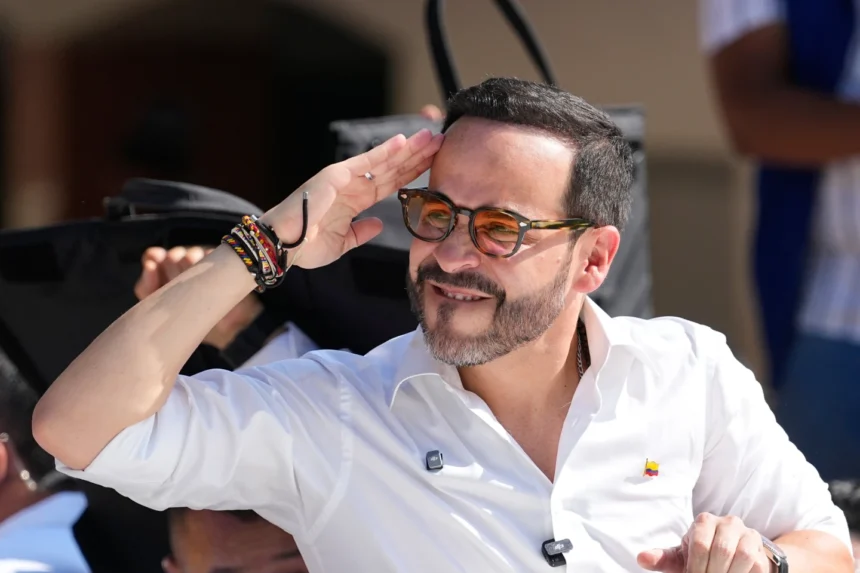
Colombia’s electorate has set the stage for a deeply polarized political showdown after the first round of the presidential election on Sunday, May 31, 2026. The vote has propelled a right-wing, pro-Trump populist into the lead, triggering immediate pushback and allegations of irregularities from the leftist ruling coalition.
A decade after Colombia signed its historic 2016 peace accord with the FARC rebels, voters are grappling with a resurgence of domestic conflict and escalating violence. The election presents two radically diverging paths for the country’s security, economy, and foreign alignment.
The Contenders: A Battle of Ideological Extremes
With no single candidate capturing an absolute majority, the race shifts to a high-stakes runoff election between the top two clear frontrunners:
- Abelardo de la Espriella (Defenders of the Motherland): A prominent, staunchly conservative attorney and right-wing populist who has modeled much of his platform on U.S. President Donald Trump’s political style. Promising a hardline approach to law and order, de la Espriella has vowed to aggressively dismantle expanding rebel factions and restore security through uncompromising state force.
- Iván Cepeda (Historic Pact): Representing the leftist ruling coalition originally brought to power under outgoing President Gustavo Petro. Cepeda’s platform centers on salvaging the social tenets of the peace process, addressing structural inequality, and curbing violence through rural development and negotiated settlements.
Following the vote, jubilant celebrations erupted across de la Espriella’s stronghold in the coastal city of Barranquilla, while a somber, tense atmosphere gripped Cepeda’s campaign headquarters in the capital city of Bogotá.
Tensions Flare Over Sovereign Results
The first-round outcome has plunged Colombia into immediate political turbulence. As early counts showed de la Espriella pulling ahead, figures within the ruling Historic Pact coalition began sowing doubt regarding the integrity of the vote processing system.
Opposition leaders and international observers have warned that attempts by the ruling party to question the official electoral results could undermine the country’s democratic stability ahead of the decisive runoff. De la Espriella’s camp has fiercely rejected the ruling coalition’s narrative, accusing the government of attempting to delegitimize a transparent democratic process out of fear of losing executive power.
A Fractured Peace Legacy
The primary catalyst for the electorate’s sharp rightward pivot is the mounting dissatisfaction with the country’s current security situation. A decade into the post-conflict era, various illegal armed groups—including FARC dissidents and the National Liberation Army (ELN)—have actively expanded their territories, leading to increased extortion, displacement, and localized fighting.
For the international community and regional allies, the outcome of the upcoming runoff will define Colombia’s geopolitical trajectory. A de la Espriella victory would signal a dramatic alignment with Washington’s current conservative populist agenda, whereas a Cepeda victory would keep the country anchored to Latin America’s left-wing bloc.