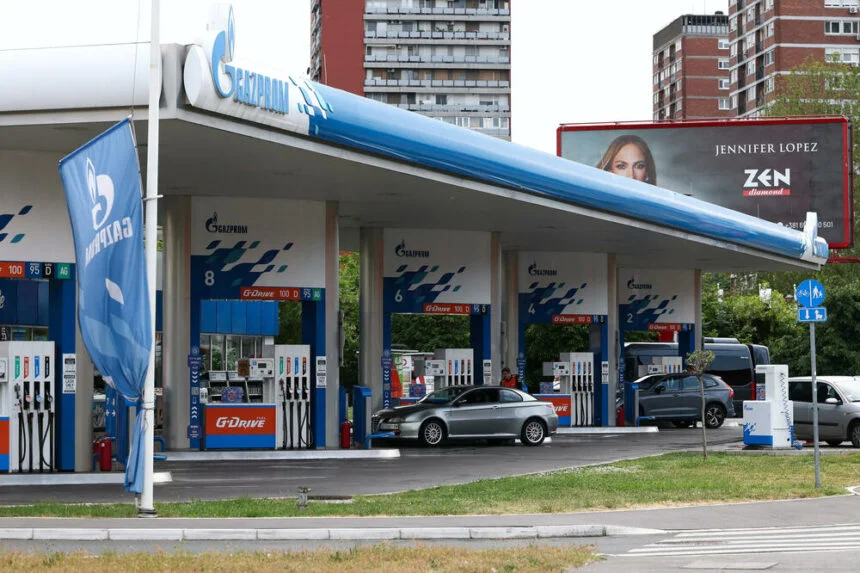
Tensions are rising in the high-stakes negotiations over the future of Naftna Industrija Srbije (NIS). Serbia’s Minister of Mining and Energy, Dubravka Đedović Handanović, announced on May 13, 2026, that the government is dissatisfied with a revised proposal from the Hungarian energy giant MOL.
The clock is ticking toward a May 22 deadline set by the U.S. Office of Foreign Assets Control (OFAC) for the mandatory exit of Russian shareholders from the company.
The Stumbling Block: Energy Security
While MOL is close to finalizing the purchase of majority shares from Russian owners, the Serbian government—which holds a 29.87% stake—is refusing to sign off on the deal without specific guarantees.
- Refinery Operations: Belgrade’s primary concern is the Pančevo Refinery. Serbia is demanding legal guarantees that the refinery will continue to operate at a capacity that ensures full domestic market coverage.
- Economic Impact: “We will not jeopardize our security of supply, nor the impact that the refinery’s operation has on the economy,” Minister Đedović Handanović stated. “We want a compromise, but not at any price.”
The Complex Ownership Shift
The ownership of NIS is currently fragmented following U.S. sanctions imposed in October 2025:
- Gazprom Neft (Russia): 44.85%
- Intelligence (Russia-linked): 11.3%
- Republic of Serbia: 29.87%
- Minority Shareholders: ~14%
Under the proposed transition, MOL would take over the Russian stakes. However, the Serbian government has expressed a desire to increase its own stake by 5% (bringing it to 34.87%) to ensure more robust state influence over strategic decisions.
The Role of Washington (OFAC)
The transition is being closely monitored by the U.S. government. MOL and the Russian owners must conclude their negotiations in a way that satisfies OFAC regulations. If a deal is not reached and approved by May 22, NIS could face a total blockade, paralyzing the Serbian fuel market and the broader regional energy grid.
Parallel Negotiations
The talks are effectively moving on two separate tracks:
- Track A: MOL and Russian shareholders (Gazprom Neft and Intelligence) negotiating the price and transfer of shares.
- Track B: MOL and the Government of Serbia negotiating the future management rights and operational guarantees for the Pančevo refinery.
MOL has officially declined to comment on the ongoing negotiations. With only nine days left until the OFAC deadline, the pressure on all parties to reach a “middle ground” in Belgrade is immense.