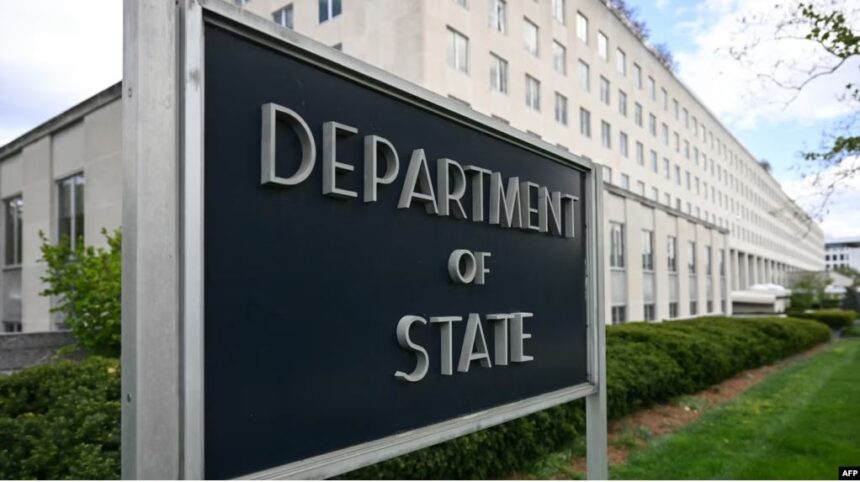
The US Department of State (DASH) has underscored that transatlantic energy cooperation remains a foundational pillar of economic relations between the United States and its European partners, explicitly including Kosovo.
In an official statement provided to RTV Dukagjini, the State Department emphasized that the exportation of American energy plays a vital role in fortifying Europe’s broader energy security. Washington reiterated its concrete readiness to work alongside Pristina to overhaul Kosovo’s energy sector by prioritizing supply diversification, with an explicit focus on American Liquefied Natural Gas (LNG).
1. The Washington Mandate: Securing Europe via Diversification
The State Department framed its energy strategy not merely as a commercial enterprise, but as a critical geopolitical mechanism to insulate European allies from supply shocks and foreign monopolies.
Key Policy Positions from the US Department of State

 [ ECONOMIC PILLAR ]     ──► THE TRANSATLANTIC AXIS
 • US energy exports serve as a core structural element in strengthening
   economic ties and resilience among European partners.

 [ COOPERATIVE READY ]   ──► PUBLIC-PRIVATE SYNERGY
 • Washington is actively prepared to bridge the US private energy sector
   with the Government of Kosovo to build sustainable infrastructure.

 [ SUPPLY DIVERSIFICATION ] ──► THE LNG ALTERNATIVE
 • The US is heavily pushing for the integration of American LNG into the
   Balkan energy mix to guarantee long-term resource independence.
“The United States is ready to work with the US energy industry and the Government of Kosovo to secure Kosovo’s energy future through diversification of energy supply, including American LNG.”
— Official Statement, US Department of State
2. The Geopolitical Friction: Internal Infrastructure vs. Regional Imports
The State Department’s overture lands directly in the middle of an intensifying domestic debate within Kosovo regarding the country’s long-term energy architecture.
The Divergent Tracks of Kosovo's Energy Strategy
┌────────────────────────────────────────────────────────────────────────┐
│                                                                        │
│  [ THE AMERICAN PROPOSAL ] ────────────────────────────────────────┐   │
│  • Washington is strongly urging Kosovo to integrate directly with     │   │
│    the American-backed natural gas network, requiring internal gas    │   │
│    pipelines and processing infrastructure.                           │   │
│                                                                        │   │
│  [ THE KOSOVOF GOVERNMENT STANCE ] ─────────────────────────────────┤   │
│  • Prime Minister Albin Kurti's administration has demonstrated marked │   │
│    hesitation toward funding internal LNG pipeline networks.           │   │
│                                                                        │   │
│  [ THE VLORA POWER ALTERNATIVE ] ──────────────────────────────────┘   │
│  • Pristina has expressed a preference for regional alternatives,      │
│    prioritizing a connection to the Vlora Thermal Power Plant in        │
│    Albania to import electricity directly rather than building gas grids.│
└────────────────────────────────────────────────────────────────────────┘
3. Strategic Projections for the Balkan Grid
The choice between building a domestic gas infrastructure or relying on cross-border electricity imports carries massive long-term financial and diplomatic weight.
| Strategy Path | Technical Focus | Geopolitical Alignment |
| The US Gas Pathway | Building domestic pipelines and grid systems to receive and distribute American LNG. | Deep Transatlantic Integration: Anchors Kosovo firmly within Washington’s European energy security umbrella, bypassing traditional regional dependencies. |
| The Albania Option | Direct financial and grid connection to the Vlora power plant for direct electricity transmission. | Pan-Albanian Synergy: Prioritizes localized regional partnerships and avoids the heavy upfront capital expenditures of laying new gas lines. |
As Washington openly signals its readiness to deploy private industry giants to secure Kosovo’s grid, the pressure is mounting on Pristina to finalize its energy roadmap. The Kurti government’s upcoming decisions will determine whether Kosovo becomes a direct hub for American LNG in the Western Balkans or relies on localized, regional electricity generation to meet its growing domestic demand.