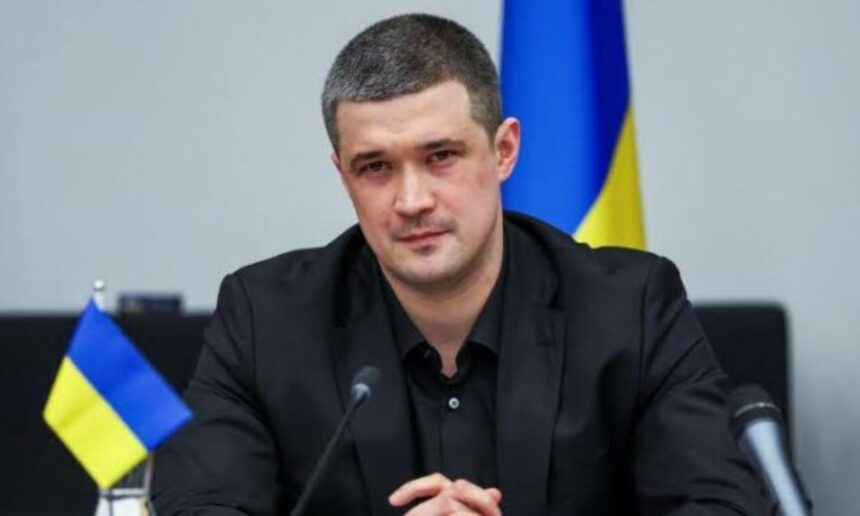
Ukraine’s former defense minister Mykhailo Fedorov has called for presidential elections to be held despite the ongoing war, in what is being described as one of the most significant challenges to President Volodymyr Zelensky’s leadership since Russia launched its full-scale invasion.
“Democracy cannot be held hostage by Russia,” Fedorov, 35, said in a video posted on YouTube on Tuesday. He argued that Ukraine is fighting precisely because it wants to remain “a free European state.”
Ukraine has remained under martial law since Russia’s full-scale invasion in 2022, under which national elections have been suspended.
Fedorov did not mention Zelensky by name in his video. However, his intervention comes just weeks after he was unexpectedly dismissed as defense minister, only six months after being appointed to the position.
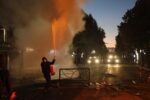
Zelensky has not publicly responded to Fedorov’s call. His dismissal had previously triggered protests in several parts of the country, adding to political tensions surrounding the government and its wartime policies.
A source in the presidential office told the BBC that holding elections under the current conditions would be unrealistic.
“It is very strange to plan elections amid missiles and drones. This demonstrates a complete lack of realism,” the source said.
Ukrainian analysts have also questioned whether nationwide elections could be organized effectively while the country remains at war. Among the main challenges are ensuring voting access for millions of Ukrainians who have fled the country since the invasion, as well as for hundreds of thousands of soldiers serving on the front lines.
The debate over elections has become increasingly sensitive as Zelensky faces pressure from both Washington and Moscow to hold a new vote.
Zelensky’s five-year presidential term formally expired in May 2024. Under Ukraine’s wartime legal framework, however, presidential elections cannot be held while martial law remains in force, and Zelensky has continued to exercise presidential authority.
Fedorov’s intervention therefore opens a potentially significant political debate over how Ukraine can preserve democratic legitimacy while continuing to fight a major war against Russia.
The dispute also highlights the difficult balance facing Kyiv: maintaining democratic institutions and political accountability while avoiding an electoral process that could be disrupted by Russian attacks, displacement and the continuing mobilization of the Ukrainian population.