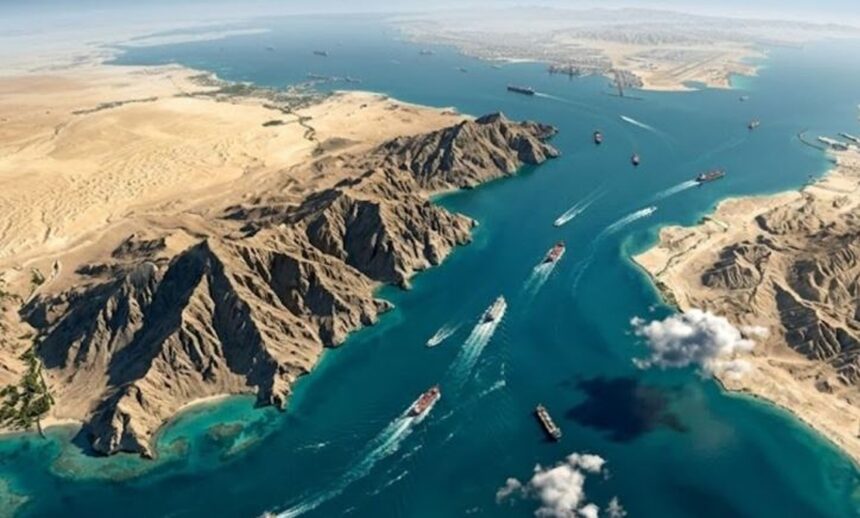
The United Nations has issued a stark warning that the continued blockade of the Strait of Hormuz could trigger a massive global food crisis within weeks, potentially pushing millions toward starvation.
According to the UN, the disruption of fertilizer shipments through this vital waterway poses a catastrophic risk to global agriculture, particularly in Africa and Asia. Jorge Moreira da Silva, head of the UN special task force on the crisis, stated that the world has only a “few weeks” to avert a humanitarian disaster.
“An additional 45 million people could face hunger if this crisis continues,” Da Silva told AFP.
The Fertilizer Chokepoint
The Strait of Hormuz is not only a primary corridor for oil but also a critical artery for the global chemical trade. Since the outbreak of war involving the U.S. and Israel on February 28, Iran has effectively blocked the route.
The impact on global food security is tied to the following factors:
- Massive Volume: Roughly one-third of the world’s traded chemical fertilizers pass through the Strait.
- Key Suppliers: Essential raw materials—including ammonia, sulfur, and urea—source from the Gulf and supply major agricultural hubs like Brazil, China, and India, as well as several African nations.
- Production Drop: Experts warn that the shortage and subsequent price hike of fertilizers will lead to a significant decline in global crop yields, followed by a sharp spike in food prices.
The UN Proposed “Green Corridor”
The UN is currently attempting to negotiate a special mechanism that would allow for the safe passage of vessels carrying fertilizers and essential agricultural materials. UN officials estimate that allowing just five ships per day to pass through the Strait would be sufficient to prevent a total collapse of the global agricultural sector.
Diplomatic Deadlock
Despite the urgency, tripartite negotiations between the United States, Iran, and the Gulf states have yet to yield results. While the UN pushes for a humanitarian exception to the blockade, the strategic value of the Strait remains a central point of leverage in the broader regional conflict.
As the window for the spring planting season narrows in many parts of the world, the international community faces increasing pressure to secure the “Green Corridor” before the fertilizer shortage turns into a localized and then global famine.