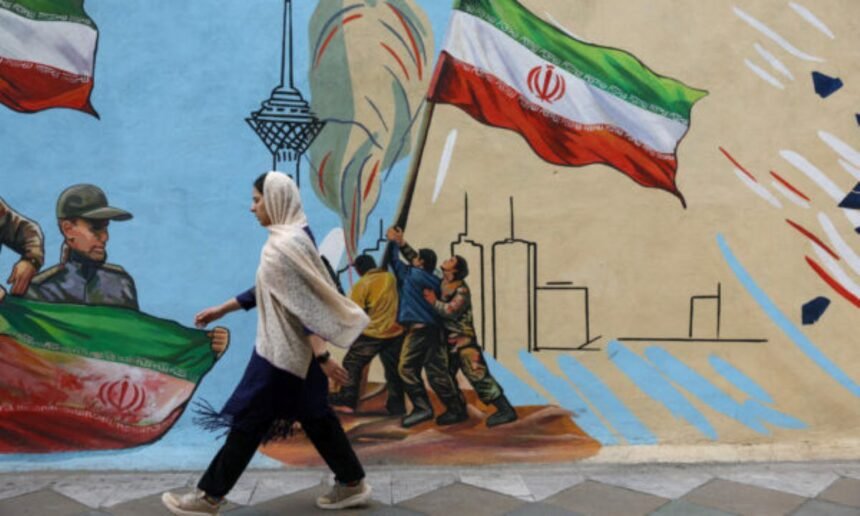
While state-controlled headlines declare a “total victory” over the United States following a newly negotiated diplomatic memorandum in Lucerne, Switzerland, ordinary citizens across Iran are describing a harrowing domestic reality marked by hyperinflation, severe state repression, and economic despair.
As the Islamic Republic emerges from the heavy bombardment of Operation Epic Fury, the gap between the regime’s triumphant propaganda and the daily struggle of its 92 million citizens has widened into a chasm.
The Massive Cost of Living Crisis
While state television frames the newly signed memorandum as a strategic triumph that left the West trembling, local marketplaces tell a completely different story. Everyday food staples have skyrocketed out of reach for average families.
| Food Item | Price Increase (%) |
| Cooking Oil | +431% |
| Eggs | +342% |
| Poultry (Chicken) | +287% |
| Imported Rice | +220% |
| Iranian Rice | +161% |
| Red Meat | +157% |
| Onions | +41% |
Shirin (Physiotherapist): ““It hurts to see my city like this. We fled to a village 500 kilometers away during the bombings and returned a month ago. My clinic still hasn’t reopened. People don’t even have money to pay rent, let alone for physical therapy. We are simply buying less of everything.””
Behind the Editorial Curtain: Fabricated Triumphs
In Tehran, editorial newsrooms operate under direct military coercion. Jasmine, a editor-in-chief at one of Iran’s largest state-regulated newspapers, revealed how the Islamic Revolutionary Guard Corps (IRGC/Pasdaran) dictates public perception:
- Direct Dictation: The IRGC manufactures its own articles, headlines, and strategic analyses, sending them directly to newsrooms. Editors are ordered to publish them verbatim with zero modifications.
- Imperial Ambitions: State media is actively weaponizing statements made by European figures like Spain’s Prime Minister Pedro Sánchez, spinning them as proof that Europe fears Tehran. Hardline publications like Kayhan are printing revisionist essays claiming Bahrain, Azerbaijan, Georgia, and the UAE are Iranian territories waiting to be reunited with the “motherland.”
Iran Demographic Alignment Dilemma (June 2026)
========================================================================
Total Population   --> 92 Million (A highly modernized, young society).
The Youth Pillar   --> Over 50% are under 35; nearly 40% are aged 15–34.
Regime Core Base   --> ~5-6M in state bureaucracy; ~5-6M in IRGC/Basij/Military.
The Dissident View --> Young generation wants global integration, not holy war.
========================================================================
The Shadow of the January Massacres
For the majority of Iran’s youthful population, Western diplomacy with the regime under Supreme Leader Mojtaba Khamenei feels like an outright betrayal. Citizens remember the brutal crackdowns on the anti-government protests of December and January, where thousands of demonstrators were shot dead in the streets by security forces.
Since January 2026, the regime’s execution machinery has gone into overdrive, with the official death row list surpassing 700 individuals. Families gather daily outside central prisons, desperate for news of detained relatives facing snap capital sentences.
Local dissidents remain entirely skeptical that any financial relief brought on by the Lucerne memorandum will filter down to the public. Instead, the consensus on the streets is that any un-frozen capital will immediately be funneled directly into defense manufacturing and regional proxy militias, further burying the democratic aspirations of a generation trapped under the rule of the Ayatollahs.