During a panel discussion titled “Reform Momentum” in Brussels on Friday, July 3, 2026, Serbian state officials aggressively pushed a pro-European narrative, declaring the country’s foreign policy “eurocentric.” However, behind the public optimism looms a fierce political battle over whether the European Commission will freeze or redirect billions of euros earmarked for Serbia under the Western Balkans Growth Plan.
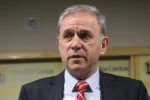
Speaking to EU administrative representatives, Parliament Speaker Ana Brnabić touted the rapid passage of 23 integration-related laws, but quickly pivoted to blame the domestic opposition—whom she previously labeled “lackeys and snitches”—for sabotaging Serbia’s path to Brussels.
The Rhetorical Clash in Brussels
In her address, Brnabić emphasized that the Serbian Progressive Party (SNS) led government is pulling its weight, specifically highlighting five capital judicial laws aimed at aligning with the Venice Commission.
Nevertheless, she leveled sharp criticism at the country’s pro-EU opposition groups for stalling the consensus needed to project institutional stability abroad.
“What is unique to Serbia is that you have a so-called pro-European opposition, but believe it or not, that pro-EU opposition has not voted in the National Assembly for a single law regarding the EU or reforms,” Brnabić stated during the panel.
                  [THE SERBIAN EU GROWTH PLAN CRISIS]
                                   │
         ┌─────────────────────────┴─────────────────────────┐
         ▼                                                   ▼
  [GOVERNMENT NARRATIVE]                               [CRITICS & OPPOSITION]
  ──────────────────────                               ──────────────────────
  • Formed special EU accession team                    • Stalled by controversial "Mrdić Laws"
  • Passed 23 integration-related laws                  • Weaponizing judiciary to secure power
  • Blames opposition for institutional gridlock        • Imposed continuous pressure on free media
The “Mrdić Laws” and the Rule of Law Stagnation
Opposition leaders and independent experts reject the government’s narrative, pointing out that the state’s democratic regression is the actual mechanism freezing the cash flow.
Critics focus heavily on the highly controversial “Mrdić Laws” passed earlier this year, which independent analysts argue heavily compromise judicial independence by expanding executive control over the appointment and tenure of chief public prosecutors.
| Stakeholder | Perspective on Stalled Reforms | Key Vulnerability |
| Duško Lopandić (Srbija Centar) | “Serbia blocked itself six months ago with the ‘Mrdić Laws,’ which halted the entire reform assessment process.” | Serbia is acting like a “repeat-offender student” in Brussels. |
| Maja Kovačević (Faculty of Political Sciences) | “The regime is capable of fulfilling reforms but cannot allow them, because progress on media freedom and rule of law erodes their power.” | Total stagnation in democratization and media pluralism. |
| Marko Đurić (Foreign Minister) | “Serbia is fully committed to its EU path… our foreign policy has become increasingly pro-European and eurocentric.” | Disconnect between external rhetoric and domestic implementation. |
EU Reviewing Funds Amid Potential Diversion to Neighbors
The European Commission’s decision regarding the disbursement of the Growth Plan funds is expected later this month, following the expiration of the grace period for implementing core 2025/2026 milestones.
While regional outlets like Euronews have indicated that Brussels may redirect Serbia’s share of the €6 billion package to compliant neighbors like Montenegro, North Macedonia, and Albania, European Commission officials have maintained a guarded public stance.
An EU Commission spokesperson confirmed that no definitive freezing order has been finalized, stating that technical teams are currently wrapping up a rigorous “scanning” of Serbia’s legislative adjustments against the binding benchmarks.