High-level discussions among European Union foreign ministers on Monday revealed a deeply fractured bloc regarding if, how, and when to engage in direct diplomacy with the Kremlin. As the war in Ukraine continues, member states remain deadlocked over whether the potential benefits of dialogue outweigh the risks of legitimizing Moscow’s aggression.
The “Schröder Suggestion” Rejected
One of the few points of consensus during the meeting in Brussels was the firm rejection of the Kremlin’s proposal to appoint former German Chancellor Gerhard Schröder as a mediator. Given Schröder’s history with Russian energy firms, EU ministers insisted that Europe must choose its own representative, free from Kremlin influence.
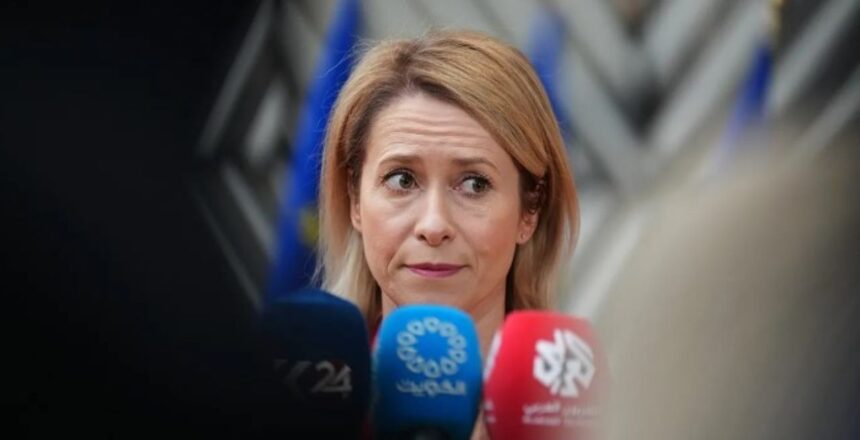
High Representative Kallas on “Red Lines”
High Representative Kaja Kallas acknowledged that the issue is not yet “ripe” for a unified decision. Kallas, who has previously warned against “humiliating” the EU by pleading for talks, is currently drafting a confidential document outlining the concessions Moscow must make before formal engagement can begin.
“For Europe to take a more active role, we must agree among ourselves on what we want to talk about with Russia and what our red lines are,” Kallas stated. “Right now, we do not see Russia negotiating in good faith.”
The “Trump Factor” and Internal Pressure
The debate has been accelerated by U.S. President Donald Trump’s unilateral diplomatic push to end the conflict. Leaders like France’s Emmanuel Macron and Italy’s Giorgia Meloni have argued that European security cannot be left solely in American hands.
However, previous exploratory attempts, such as the frostily received visit of Macron’s advisor, Emmanuel Bonne, to the Kremlin, have dampened enthusiasm for a quick diplomatic fix.
Zelenskyy’s Plea for a European Voice
Last week, Ukrainian President Volodymyr Zelenskyy, appearing increasingly frustrated with the pace of White House actions, urged Europeans to take a seat at the table.
- The Goal: A “viable diplomatic format” where Europe acts as a primary stakeholder.
- The Condition: Zelenskyy continues to firmly reject Putin’s demands for Kyiv to cede the Donbas region and recognize occupied territories as Russian.
Economic Strain vs. Diplomatic Overture
While some capitals push for dialogue, others argue that now is the time to tighten the screws. Russia is showing signs of economic strain following 20 rounds of sanctions, and the scaling back of its recent Victory Day parade suggests heightened security vulnerabilities.
With the EU recently approving a €90 billion aid loan to Kyiv, many diplomats believe the most effective strategy is to continue strengthening Ukraine’s hand until the Kremlin is forced to offer genuine compromises.
Next Steps
The confidential draft document on Russia will be the centerpiece of an informal meeting of foreign ministers in Cyprus later this month. However, with significant divergences remaining between Western and Eastern European capitals, a unified stance remains unlikely in the immediate future.