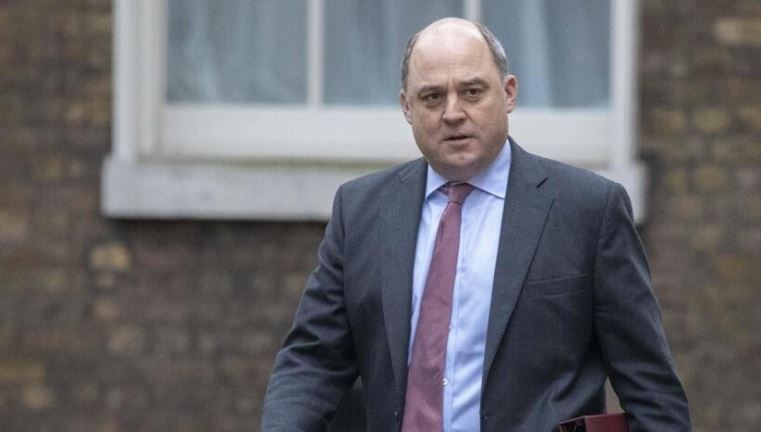
The Russian Ministry of Internal Affairs has officially placed former British Defense Secretary Ben Wallace on its federal wanted list. The move, announced Wednesday, May 13, 2026, marks a significant escalation in the legal and diplomatic tensions between Moscow and London.
While the specific criminal code cited in the warrant was not publicly disclosed in the ministry’s database, Russian state media reports suggest the charges are related to “terrorism.”
Context of the Allegations
The warrant appears to stem from statements Wallace made in September 2025. According to Russian investigators, Wallace allegedly called for intensified airstrikes on Crimea with the explicit goal of making the peninsula “uninhabitable.” Moscow has categorized these remarks as an incitement to terrorist activity against Russian infrastructure and civilians.
Kremlin Reaction
Despite the formal issuance of the warrant, Kremlin spokesperson Dmitry Peskov appeared to downplay the political significance of Wallace’s rhetoric during a press briefing. Peskov described the former minister’s previous comments as “nonsense” and stated that the Kremlin does not find it necessary to engage with every statement made by former Western officials.
A Legacy of Support for Ukraine
Ben Wallace served as the UK’s Defense Secretary from 2019 to 2023, a tenure defined by his aggressive support for Ukraine following Russia’s full-scale invasion in 2022. Under his leadership, the UK was among the first nations to provide:
- NLAW anti-tank weapons.
- Challenger 2 main battle tanks.
- Storm Shadow long-range cruise missiles.
Wallace has remained a vocal critic of the Kremlin since leaving office, consistently advocating for Ukraine’s right to strike military targets within Russian-held territories to end the conflict.
Diplomatic Implications
The warrant is largely symbolic, as Wallace is unlikely to travel to Russia or any jurisdiction where he would face extradition to Moscow. However, the move follows a pattern of Russia targeting Western politicians, including officials from the Baltic states and the International Criminal Court, with retaliatory legal measures.
The British Foreign Office has not yet issued a formal response to the warrant, though previous similar actions against UK officials have been dismissed by London as “baseless intimidation.”