Today, May 14, 2026, marks the 27th anniversary of the Qyshk Massacre, a day of profound mourning for the victims of one of the most brutal acts of ethnic cleansing committed by Serbian forces during the Kosovo War.
On this date in 1999, Serbian state forces and paramilitary groups systematically executed 44 Albanian civilians in the village of Qyshk, located near Peja.
The Anatomy of the Crime
According to historical records and witness testimonies, the attack on Qyshk was not an isolated incident of war but a calculated operation by the Serbian state. The atrocity followed a chilling pattern:
- The Incursion: Serbian police and government-backed gangs surrounded the village early in the morning.
- Systematic Terror: Before the executions, forces engaged in widespread looting and the sexual assault of women. Over 400 civilians were forcibly expelled from their homes.
- The Executions: The men of the village were separated into three different houses. After being robbed of their identification documents to erase their existence, they were gunned down.
- Burning the Evidence: To cover up the crime, the houses containing the bodies were set on fire, and much of the village was razed to the ground.
Justice and the “Jackals”
The massacre is one of the few cases where members of a specific Serbian paramilitary unit, known as “The Jackals” (Çakallët), were identified and brought to trial.
In a landmark case in Belgrade, several members of this group were arrested and sentenced for their involvement in the killings at Qyshk and surrounding villages (Zahaq, Pavlan, and Lubeniq). However, family members of the victims and human rights activists continue to argue that many high-ranking officials who ordered the operation remain unpunished.
A Legacy of Survival
The Qyshk Massacre remains a symbol of the immense suffering endured by Kosovo’s civilian population. Among the victims was the father of Agim Çeku, a former Prime Minister of Kosovo and commander of the KLA, highlighting that the Serbian forces targeted families of those involved in the resistance.
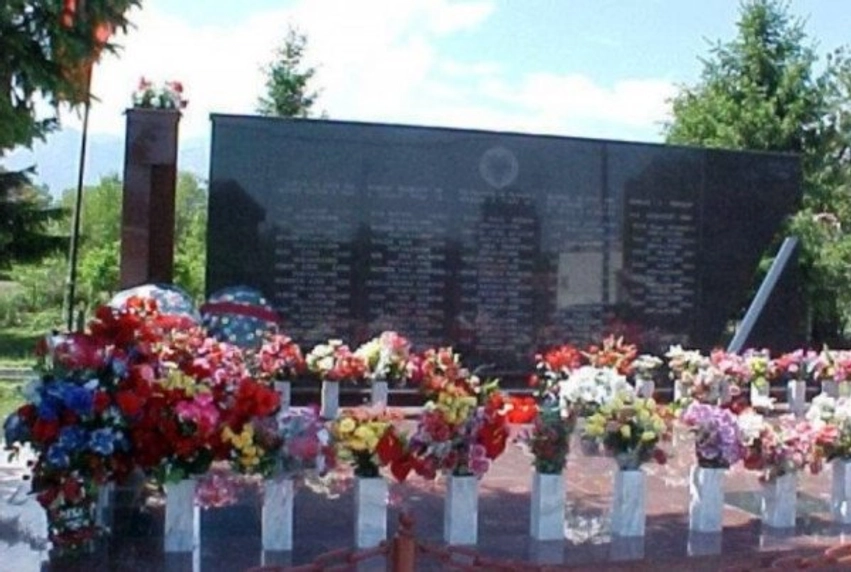
Every May 14, survivors and officials gather at the memorial site in Qyshk to honor those who lost their lives, reaffirming the call for full justice and the preservation of the historical truth of the 1998–1999 war.