The Serbian National Forum (SNF) has directly accused Serbian President Aleksandar Vučić of political interference and the mass dismissal of Serbian workers from Serbia-run institutions operating in Kosovo, claiming that the firings are being used to force the integration of education and healthcare institutions into Kosovo’s system.
It is widely known that the parallel Serbian-funded education and healthcare structures in Kosovo are not merely alternative public services operating under Serbia’s curriculum and administration, but have also been systematically used for broader political and strategic purposes aligned with Belgrade’s interests.
According to the SNF, termination notices issued to employees state that they were dismissed because of their political beliefs and public statements “contrary to the interests of the Serbian population in Kosovo and Metohija.” The organization claims the orders came directly from Belgrade with the aim of creating political space for Prime Minister Albin Kurti to integrate the remaining Serbian-run institutions into Kosovo’s system.
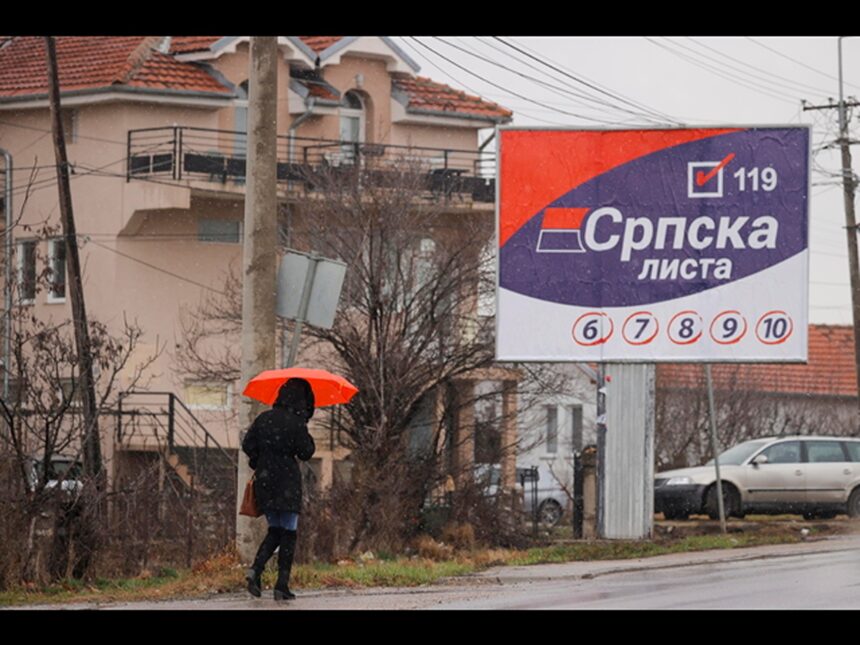
The SNF further alleges that these actions are linked to the implementation of the Ohrid Agreement and a coordinated plan between Belgrade, Srpska Lista, and Kosovo authorities for the gradual integration of Serbian institutions ahead of the June 7 elections.
According to the organization, the dismissals are also being used to weaken political opponents of Srpska Lista and strengthen the political standing of acting minister Nenad Rašić.
The SNF additionally accused leaders of Serbian-run healthcare and education institutions of political cooperation and financial benefit from Kosovo institutions, while calling on Serbian religious representatives and intellectuals to react against what it described as “the injustice of Vučić’s regime.”
On Friday, May 15, Kosovo’s acting minister Nenad Rašić also spoke about political pressure allegedly exerted on Serbs in Kosovo ahead of the elections by Belgrade and Srpska Lista, claims that were denied by Srpska Lista.
At the same time, it should be recalled that years ago there were reports alleging the transport of weapons in illegal ambulances in northern Kosovo through these same structures, and that employees working within them were continuously pressured to serve Serbia’s political interests.
In the past, staff members were allegedly compelled to participate in barricades alongside members of the terrorist organization “Civil Protection.”
Currently, employees are reportedly being pressured to vote in line with Serbia’s interests, enabling external interference in the June 7 elections. There are also numerous reports of individuals being dismissed from their jobs because they or their relatives do not support Srpska Lista. Some have allegedly faced harassment, threats, and detention at the border when traveling to Serbia by security structures and groups linked to Milan Radoičić.
What has emerged so far is that individuals supporting liberal Serbian politician Nenad Rašić appear to be particularly targeted by dismissals. In his role as minister, Rašić has consistently supported Kosovo Serbs through various projects funded by the budget of the Republic of Kosovo without political conditions.
Kosovo’s relevant institutions are being urged to respond decisively to these alleged election interferences by arresting and prosecuting those responsible, while the international community is being called upon to hold Serbia accountable and impose sanctions over its continued actions toward the Republic of Kosovo.