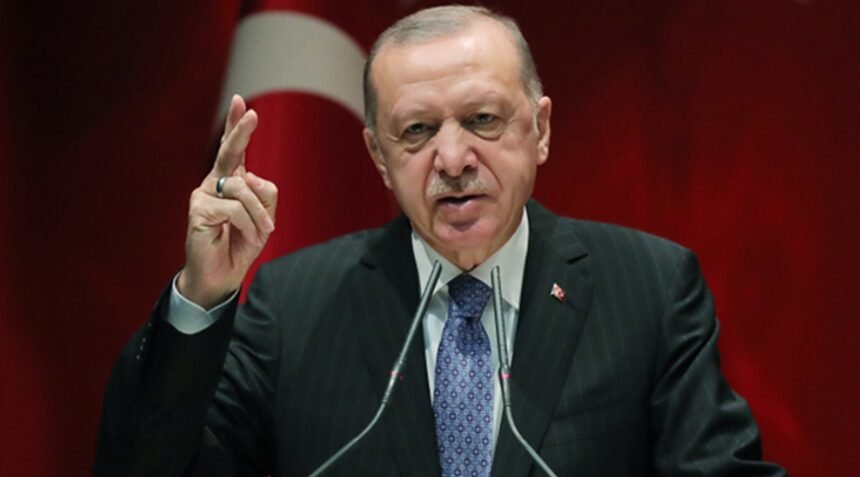
As a devastating conflict continues to engulf the Middle East, Turkish President Recep Tayyip Erdogan is quietly reaping the region’s largest strategic rewards, positioning himself as the undisputed regional heavyweight.
The escalating war surrounding Iran has radically disrupted global geopolitical balances. However, beyond the combatants on the front lines, international analysts are turning their focus toward Ankara. A comprehensive analysis published by the prestigious British newspaper The Telegraph argues that the ultimate, cold-blooded winner of this regional upheaval is the Turkish president.
Through a calculated combination of opportunistic diplomacy, surging military manufacturing, and the command of critical trade routes, Turkey is aggressively filling the power vacuum left by a destabilized Iran to cement its dominance across the Middle East and beyond.
International Distraction and Domestic Consolidation
According to The Telegraph, one of Erdogan’s most immediate benefits has been a complete shift in international diplomatic and public focus. Prior to the breakout of the crisis involving Iran, the Turkish government faced intense pressure and harsh criticism from Western allies over its domestic policies and crackdowns on political opposition.
The outbreak of war shifted the attention of the United States, the European Union, and NATO entirely toward Tehran and Tel Aviv. This global distraction has granted Erdogan a free hand to consolidate his domestic power structure without the threat of Western sanctions or diplomatic interventions. Western powers now find themselves prioritizing Turkey’s stability as an indispensable NATO ally in a volatile theater.
Arms Exports: The Turkish Defense Industry Reaches Its Peak
Turkey is also recording extraordinary gains within its defense sector. As the operator of the second-largest standing military in NATO, Turkey has successfully positioned itself as a major global arms exporter.
The conflict surrounding Iran and the subsequent regional instability have caused a massive surge in demand for Turkish military technology. The renowned Bayraktar drones and other advanced defense systems—highly sought after following proven operational successes in Ukraine and Syria—are being actively pursued by regional states looking to reinforce their borders. This export boom not only cushions the Turkish economy but also provides Ankara with massive geopolitical leverage over its neighbors.
The Irreplaceable Energy and Trade Hub
With Iran’s traditional trade and transit routes crippled by ongoing warfare, the logistical map of the Middle East has faced a total logjam. This vacuum has effectively transformed Turkey into the only safe, viable corridor connecting East and West.
- Energy Corridors: Turkey is rapidly cementing its status as the primary transit hub through which oil and natural gas from Azerbaijan, Central Asia, and stable sectors of the Middle East flow securely into an energy-hungry Europe.
- Global Commerce: Supply chains trying to bypass regional conflict zones must inevitably cross Turkish territory. This gives Erdogan immense geopolitical leverage to dictate terms to Brussels, Moscow, and Beijing alike.
Geopolitical Dominance: The Indispensable Mediator
On the diplomatic stage, The Telegraph highlights Erdogan’s strategic positioning as the region’s “indispensable leader.” Unlike other regional powers taking highly polarized stances, Turkey has carefully preserved communication channels with virtually all factions involved.
Erdogan is masterfully playing the role of a potential peacemaker, advocating for stability on the world stage while simultaneously expanding Turkey’s footprint into areas where Iranian influence has waned or retracted, including parts of Syria and Iraq. This geopolitical opportunism is increasingly painting Turkey as the sole stable superpower in the modern Middle East.
Conclusion
After nearly a quarter-century in power, Recep Tayyip Erdogan has once again proven to be a master at navigating international crises. While the war brings severe destruction to the core of the region, for Ankara, it represents a historic window of opportunity.
As The Telegraph concludes, regardless of how the conflict involving Iran ultimately subsides, the new political map of the Middle East will likely be drawn according to Turkey’s terms and interests.