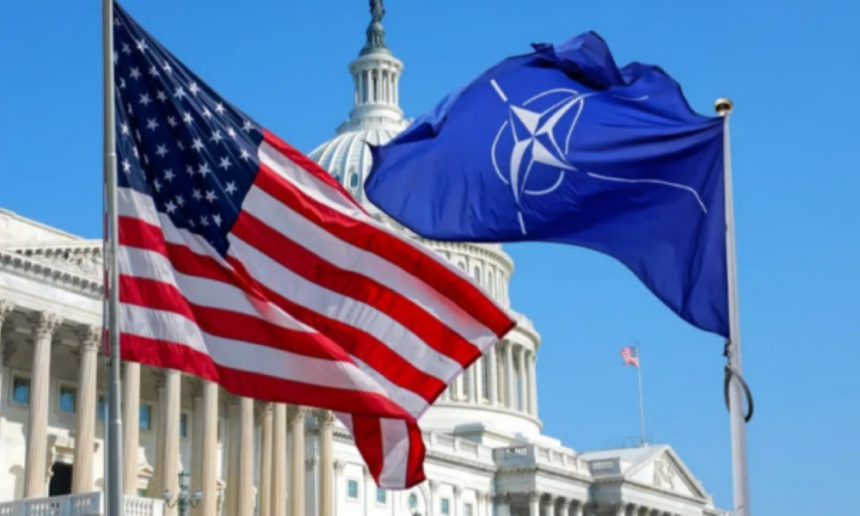
In a seismic shift mapped out under the Trump administration’s new “NATO 3.0” blueprint, the US Pentagon has notified allies of a structural reduction in American forces assigned to Europe. Transatlantic leaders are scrambling to fill the vacuum ahead of the upcoming Ankara Summit.
The United States military is officially drawing down its long-standing operational commitments within NATO, forcing European nations to rapidly assume primary responsibility for their own conventional territorial defense.
According to an official media release issued by United States European Command (USEUCOM) in Stuttgart, Germany, Washington has formally begun restructuring and reducing its designated troop and hardware contributions to the core NATO Force Model.
The strategic overhaul is being driven by Elbridge Colby, the Under Secretary for Policy at the newly re-designated Department of War, alongside his Chief of Staff and Senior Advisor, Alexander Velez-Green. Velez-Green formally delivered the definitive downsizing notice to a closed-door assembly of allied defense policy officials at NATO Headquarters in Brussels.
Dismantling an ‘Unhealthy Interdependence’
The retreat from traditional American military policing in Europe is codified under Washington’s newly enacted 2026 National Defense Strategy and a vision the Pentagon describes as “NATO 3.0.”
┌────────────────────────────────────────────────────────────────────────┐
│                        The 'NATO 3.0' Core Mandate                     │
├────────────────────────────────────────────────────────────────────────┤
│  1. Reprioritizing Global Theaters                                     │
│     US assets are systematically being freed up to maintain heavy      │
│     deterrence in the Indo-Pacific and counter active flashpoints.     │
├────────────────────────────────────────────────────────────────────────┤
│  2. Target Allied Capabilities                                         │
│     European and Canadian allies must immediately substitute US forces │
│     by expanding their own domestic defense budgets and deployments.   │
├────────────────────────────────────────────────────────────────────────┤
│  3. Reversing Burden-Sharing Models                                    │
│     Ending the Cold War-era reliance on American taxpayer-funded ground │
│     troops for standard European border defense.                       │
└────────────────────────────────────────────────────────────────────────┘
“There has been an unhealthy interdependence within the NATO Force Model on US forces,” stated Air Force General Alexus G. Grynkewich, Commander of USEUCOM. “President Trump, Secretary Hegseth, and others have been explicit that this must change, and it will change. The very real possibility of concurrent conflicts across multiple global regions makes this realignment absolute.”
Grynkewich—who concurrently serves as NATO’s Supreme Allied Commander Europe (SACEUR)—noted that the transition has been tightly coordinated behind the scenes for months between USEUCOM and Supreme Headquarters Allied Powers Europe (SHAPE). He argued that removing the American cushion will ultimately make NATO’s operational defense plans more realistic, forcing European allies to field the capabilities they have promised on paper.
Critical Shortfalls: Aviation and Maritime Assets
The Pentagon explicitly identified the immediate military gaps that America’s allies must step up to plug as US assets are reassigned to other global theaters.
“Two distinct areas where Canada and our European allies can immediately scale up their contributions are manned and unmanned aviation platforms, alongside maritime naval assets,” General Grynkewich specified.
The urgent task of compensating for the American withdrawal was the central focus of a high-stakes force generation conference held on June 2–3 at SHAPE headquarters in Mons, Belgium. The conference was chaired by British Air Marshal Sir Johnny Stringer, the Deputy SACEUR.
Addressing representatives from all 32 alliance militaries on Wednesday, Grynkewich confirmed that SHAPE is working around the clock to offset the reduction in US capabilities. The pressure is now squarely on European capitals to present concrete deployment pledges before heads of state convene for the monumental July NATO Summit in Ankara, Turkey.