A bloc of North-Baltic nations is aggressively pressuring the European Commission to codify strict tourist visa bans. The push follows intelligence reports showing a massive surge in Russian Schengen visas, creating deep moral outrage and severe security vulnerabilities across the continent.
A powerful coalition of European Union member states has launched a coordinated legislative push to dramatically streamline the process for rejecting tourist visas for Russian citizens, citing Moscow’s ongoing total war against Ukraine.
Led by Sweden, the initiative is formally backed by the Czech Republic, Denmark, Estonia, Finland, Latvia, Lithuania, and the Netherlands. The coalition also includes non-EU Schengen Area members Iceland and Norwary.
The issue is taking center stage today, June 4, 2026, as the bloc’s Interior Ministers convene in Luxembourg for their regular monthly summit. Ahead of the closed-door proceedings, the signatory nations dispatched a stinging joint letter to the European Commission, underscoring the deep moral and political hypocrisy of the current framework.
“It is deeply unsettling to observe an increasing number of Russian tourists enjoying vacations on European beaches and resorts, while Russian missiles and drones continue to systematically pound civilians and critical infrastructure in Ukraine,” the leaked joint letter states. “This is even more painful given that thousands of illegally deported and forcibly transferred Ukrainian children still cannot return to their families.”
Post-Invasion Surge: A Loophole Revealed
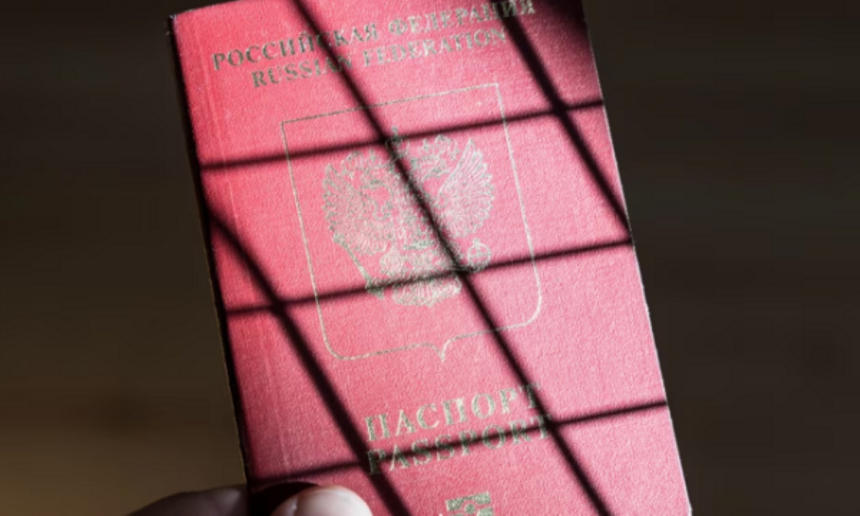
The diplomatic confrontation comes as internal EU statistical ledgers reveal a staggering rise in Schengen tourist visas issued to Russian nationals throughout 2025, topping nearly 480,000 approvals. This figure represents the highest annual volume of Russian tourist access documented since the Kremlin launched its full-scale invasion of Ukraine in 2022.
┌────────────────────────────────────────────────────────────────────────┐
│               The Schengen Split: Russian Visas in Focus               │
├───────────────────────────────────────┬────────────────────────────────┤
│       THE RESTRICTIONIST HAWKS        │     THE TOURISM DEPENDENTS     │
├───────────────────────────────────────┼────────────────────────────────┤
│ Sweden, Finland, Estonia, Latvia,    │ France, Italy, Spain           │
│ Lithuania, Denmark, Netherlands      │                                │
├───────────────────────────────────────┼────────────────────────────────┤
│ View Russian vacationers as a direct  │ Rely heavily on Russian wealth │
│ security threat and moral failure.    │ to fuel seasonal economies.    │
└───────────────────────────────────────┴────────────────────────────────┘
The stark data highlights what front-line states call an unsustainable security gap. While frontline neighbors like Estonia, Finland, and the Baltics have used generic EU guidelines to unilaterally choke off entry—restricting Russian visas strictly to humanitarian workers, opposition journalists, and critical medical cases—southern European states continue to leave their doors wide open.
The Battle Lines in Brussels: Breaking the Blocking Minority
Because Schengen border policy lacks centralized coercion, the uneven application of current guidelines has triggered what the coalition terms “visa tourism.” Wealthy Russians simply apply through more permissive southern embassies, secure entry, and then travel freely across the passport-free zone.
“The unequal implementation of these guidelines by member states leaves much to be desired, as it lacks both solidarity and consistency. It also risks placing member states in unequal economic positions,” the joint letter warns, flatly categorizing the loophole as a profound “security risk for the entire Schengen area.”
However, enacting an outright, binding EU-wide ban faces grueling legislative hurdles:
- The Top Issuers: The three nations granting the lion’s share of Russian tourist visas are France, Italy, and Spain, where tourism revenues structurally prop up national GDP.
- The Voting Math: While passing an EU regulation requires only a qualified majority (55% of member states representing 65% of the total EU population), the combined demographic weight of France, Italy, and Spain means they need only one additional member state to form an absolute blocking minority.
The Alternative Track and Estonia’s Frontline Mandate
To bypass a direct veto from southern capitals, Brussels diplomats are exploring a clever alternative: crafting broader, non-specific legislation. This framework would grant individual member states sweeping autonomy to summarily deny tourist visas to citizens of any country found in flagrant violation of international human rights and sovereign borders—thereby weaponizing the ban against Russia without explicitly naming it.
Though the proposed legislation is expected to face intense debate throughout the remainder of 2026 with a targeted ratification date in 2027, frontline states are not waiting.
In a separate but tightly linked move, Estonia is officially calling on all EU members to draft comprehensive, pan-European entry bans targeting individual Russian military veterans who fought in the Ukrainian theater, ensuring that those actively complicit in war crimes are permanently barred from setting foot on European soil.