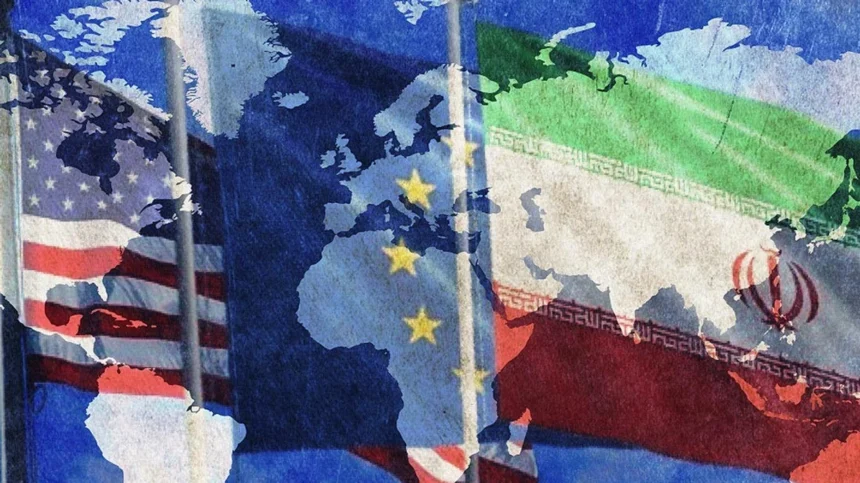
European Commission President Ursula von der Leyen has formally welcomed a landmark diplomatic agreement finalized between the United States and Iran, declaring that the breakthrough must trigger the “immediate reopening of the Strait of Hormuz.”
The critical maritime chokepoint had been subjected to severe shipping blockades and elevated geopolitical frictions, choking off a massive portion of the world’s energy transit. Following the surprise bilateral breakthrough, the European Union’s top executive leadership moved quickly to lock in guarantees for international commercial shipping, framing the accord as a foundational pillar for immediate economic recovery.
1. The European Mandate: Freedom of Navigation
In an official press statement, Von der Leyen emphasized that the cessation of hostilities must translate directly into unhindered, cost-free passage through international waters.
The Strategic Stakes of the Strait of Hormuz

 [ MARITIME MANDATE ] ──► FREE TRANSIT WITHOUT TOLLS
 • The European Union insists that freedom of navigation must be restored unconditionally,
   completely free of arbitrary transit fees or military interference.

 [ ECONOMIC IMPACT ] ──► REGIONAL & GLOBAL STABILITY
 • As a vital artery carrying roughly one-fifth of the world's petroleum supply,
   the stabilization of the Strait is crucial to calming volatile global energy markets.

 [ LONG-TERM STRATEGY ] ──► SUPPLY CHAIN DIVERSIFICATION
 • Despite the diplomatic breakthrough, the EU is aggressively drafting blueprints to
   diversify supply networks and reduce systemic dependence on the chokepoint.
2. Rapid Coordination: G7 Summit and EU Foreign Ministers
The timing of the US-Iran accord coincides with major international summits, allowing Western allies to immediately pivot toward structuring a post-blockade security architecture.
The Diplomatic Action Plan
┌────────────────────────────────────────────────────────────────────────┐
│                                                                        │
│  [ THE G7 SUMMIT IN FRANCE ] ──────────────────────────────────────┐   │
│  • G7 leaders meeting today will hold closed-door discussions focused  │   │
│    specifically on alternative supply corridors to bypass the Strait.  │
│                                                                        │   │
│  [ EU EXTERNAL ACTION POLICY ] ────────────────────────────────────┤   │
│  • EU Foreign Policy Chief Kaja Kallas confirmed she has conducted intensive│
│    shuttle diplomacy with Iranian and Gulf counterparts over recent days.│
│                                                                        │   │
│  [ SYSTEMIC EMBEDDING ] ───────────────────────────────────────────┘   │
│  • EU Foreign Ministers are convening immediately to map out exactly how │
│    Brussels can guarantee and closely monitor the next implementation phase.│
└────────────────────────────────────────────────────────────────────────┘
“Freedom of navigation must be restored without charge. This is absolutely essential for regional stability and the global economy.”
— Ursula von der Leyen, European Commission President
3. Strategic Redundancy: Transitioning Away from Chokepoints
While European officials expressed relief over the de-escalation, the energy crisis triggered by the blockade has permanently altered Brussels’ long-term logistical outlook.
At the G7 summit in France, European planners are presenting proposals to reinforce land-based pipelines and alternative maritime routes. The consensus among EU planners is clear: diplomatic breakthroughs are welcome, but relying on a single, highly volatile geographical corridor for global energy security is a vulnerability the West can no longer afford.
| Focus Sector | Immediate Operational Target | Long-Term Strategic Objective |
| Maritime Transit | Complete dismantling of naval blockades and safe passage for standard commercial tankers. | Continuous tracking of international shipping corridors via coalition monitoring. |
| Logistical Corridors | Re-routing immediate cargo through existing secondary networks to relieve pressure. | Aggressive infrastructure spending to scale up pipelines independent of the Persian Gulf. |
| Diplomatic Engagement | European Union integration into the monitoring and verification phases of the US-Iran pact. | Deepening multilateral agreements with Gulf Cooperation Council (GCC) states to guarantee regional balance. |