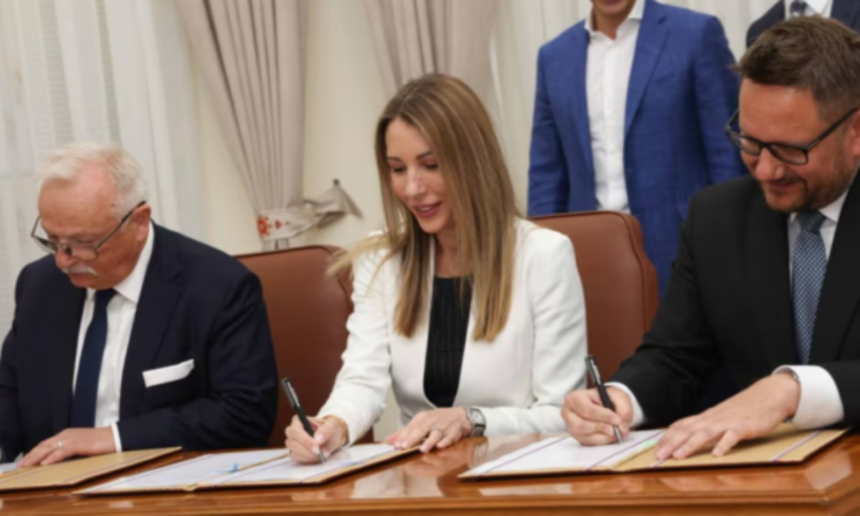
In a major geopolitical and energy realignment in the Balkans, the Government of Serbia and Hungarian energy conglomerate MOL Group signed a sweeping shareholders’ agreement on Tuesday, June 16, 2026.
The deal establishes a new management framework for the Petroleum Industry of Serbia (NIS), the country’s critical oil monopoly. NIS is currently under strict United States sanctions due to its majority ownership by Russian state energy giants.
Under the newly signed document, MOL is finalizing intense negotiations with Russia’s Gazprom Neft to buy out its entire 56.15% majority stake in NIS, effectively removing Moscow from Serbia’s primary energy artery.
1. Evading Sanctions: The US OFAC Factor
The entire multibillion-euro transaction hinges on a race against the clock in Washington, D.C., as the buyers navigate the stringent legal parameters of the U.S. Department of the Treasury.
The Bureaucratic and Sanctions Framework

 [ THE US SANCTIONS BLOC ] ──► WEAPONIZED ENERGY REVENUE
 • Washington placed NIS under sanctions to block Moscow from using Serbian energy
   profits to finance its ongoing military operations in Ukraine.

 [ THE OFAC EMERGENCY CLEARANCE ] ──► SEEKING LICENSE EXTENSIONS
 • MOL has officially applied to the U.S. Office of Foreign Assets Control (OFAC)
   for a critical regulatory waiver and extension to legally process the transaction.

 [ THE 15-DAY ULTIMATUM ] ──► VUČIĆ'S REGIONAL ANALYSIS
 • Speaking from Tbilisi, Georgian, President Aleksandar Vučić revealed he expects
   Washington to grant a tight 15-day grace window: "It is a short timeframe, and I
   hope the Russian side will accept the deal terms quickly."
2. The New Corporate Blueprint: Serbia Gains More Control
Serbian Mining and Energy Minister Dubravka Đedović Handanović clarified that the deal is highly advantageous for Belgrade, significantly expanding the state’s sovereignty over its domestic refining assets.
Key Parameters of the Restructured Shareholders' Agreement
┌────────────────────────────────────────────────────────────────────────┐
│                                                                        │
│  [ EXPANDING STATE EQUITY ] ───────────────────────────────────────┐   │
│  • As part of the transition, the Republic of Serbia will officially    │   │
│    buy back an additional 5% of shares in NIS, increasing its local    │   │
│    oversight and voting weight on the executive board.                 │
│                                                                        │   │
│  [ 10-YEAR PANČEVO GUARANTEE ] ────────────────────────────────────┤   │
│  • The strategic Pančevo Refinery is legally locked to operate for at │   │
│    least the next 10 years at peak capacity levels matching its        │   │
│    pre-sanction output.                                                │
│                                                                        │   │
│  [ PETROHEMIJA SAFEGUARDS ] ───────────────────────────────────────┘   │
│  • The agreement legally guarantees zero operational disruptions or    │
│    supply shocks to vital industrial subsidiaries, including the major │
│    HIP-Petrohemija petrochemical complex.                              │
└────────────────────────────────────────────────────────────────────────┘
“Our state representatives on the board of directors will now wield vastly greater influence over all corporate and strategic choices made within the company.”
— Dubravka Đedović Handanović, Serbian Minister of Energy
3. MOL’s Vision: Creating a Unified Central-Central European Grid
If the transaction passes U.S. regulatory scrutiny and the buyout of Gazprom Neft is formalized, MOL Group will instantly become the dominant energy player spanning from Budapest across the Western Balkans.
| Executive Goal | Strategic Action Plan | Operational Impact |
| Supply Stabilization | Complete integration of NIS into the existing MOL Group procurement network. | Guarantees uninterrupted crude oil imports to the landlocked Serbian domestic market. |
| Logistics Synergy | Linking NIS pipelines, transport terminals, and distribution networks with MOL. | Maximizes refining efficiency and creates a robust regional energy corridor safe from eastern supply cutoffs. |
| Profitability Drive | Moving NIS out of the restricted sanctions list immediately upon the exit of Russian assets. | Reopens international credit markets and commercial banking avenues for NIS operations. |
MOL Group Chairman and CEO Zsolt Hernadi emphasized that while his professional team is prepared to manage NIS efficiently and profitably, the deal remains on standby. The agreement will only enter into legal force once the final sale contract with Gazprom Neft is fully signed and officially stamped with a green light by the United States government.