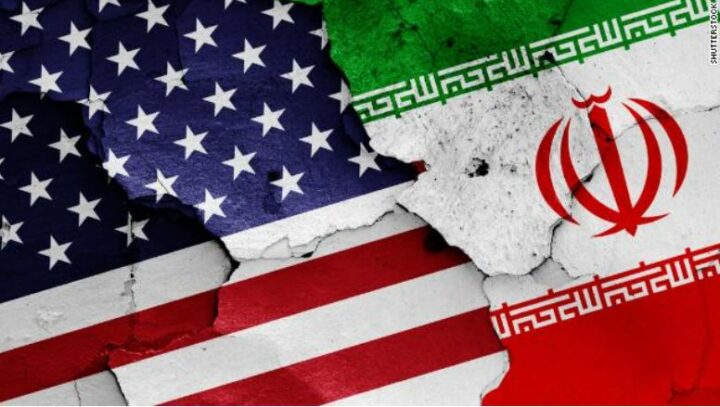
A groundbreaking $300 billion private-sector investment vehicle has been engineered into the framework peace agreement between the United States and Iran, with over half of the astronomical sum already pledged.
Speaking to Reuters on the condition of anonymity, a source with direct knowledge of the negotiations revealed that the blueprint—dubbed the Reconstruction and Development Fund—is explicitly designed to provide an overriding economic incentive for both nations to permanently conclude their devastating war. The revelation comes as Washington and Tehran prepare to formally sign the historic armistice this Friday.
1. Structure of the Fund: Complete Private Capital Autonomy
Negotiators emphasized that this massive financial package is neither a government-funded reconstruction package nor a state-sponsored war indemnity. Washington rejected Tehran’s initial demand for $400 billion in direct U.S. war reparations, leading to this creative, private-market compromise.
Financial & Strategic Grid of the Reconstruction Fund

 [ THE FUNDING ORIGIN ] ──► 100% PRIVATE CAPITAL
 • Absolutely zero taxpayer dollars, state grants, or direct government
   payouts will be drawn from the United States or its coalition partners.

 [ THE ACCORD SIGNING ] ──► FRIDAY AUTHORIZATION
 • The overarching peace agreement is scheduled for formal signature on Friday,
   initiating a strict 60-day window to legally structure the mechanism.

 [ GLOBAL ALLIANCE ] ──► MULTI-CONTINENTAL BACKING
 • Corporate conglomerates from the U.S., Arab Gulf States, Asia,
   South America, and Africa have legally committed to funding the matrix.
The fundamental purpose of this framework is to reconstruct heavy industrial infrastructure pulverized during the intense combat actions that broke out on February 28, when American and Israeli forces struck Iranian assets to break the blockade on the Strait of Hormuz.
2. Target Demographics: Rebuilding Iran’s Core Infrastructure
Iran possesses a massive market size that has been locked out of global investment corridors for nearly four decades due to continuous international embargoes. Regional contributors will inject cash flows via direct loans, credit lines, and explicit construction underwriting.
Strategic Focus Areas for the $300B Private Fund
┌────────────────────────────────────────────────────────────────────────┐
│                                                                        │
│  [ INDUSTRIAL GIANTS ] ────────────────────────────────────────────┐   │
│  • Comprehensive underwriting to repair and expand damaged economic     │   │
│    hubs, specifically the vital Mobarakeh Steel Complex.               │   │
│                                                                        │   │
│  [ REFINERIES & LOGISTICS ] ───────────────────────────────────────┤   │
│  • Total revitalization of oil refineries, major international         │   │
│    airports, transport networks, and supply-chain shipping corridors.  │   │
│                                                                        │   │
│  [ BROAD DIVERSIFICATION ] ────────────────────────────────────────┘   │
│  • Injecting capital directly into petrochemical manufacturing,        │
│    large-scale mining, tourism, and advanced agricultural zones.       │
└────────────────────────────────────────────────────────────────────────┘
3. The Geopolitical and Economic Landscape
The execution of the investment fund will operate entirely independent of the parallel diplomatic path regarding the lifting of structural U.S. sanctions and the unfreezing of billions in Iranian sovereign assets currently locked up in foreign banks.
| Indicator | Iran’s Structural Asset Profile | Strategic Impact of Peace Accord |
| Energy Resource Base | Holds the second-largest proven natural gas reserves and fourth-largest oil reserves globally. | Opening production networks guarantees a massive stabilization of global energy prices. |
| Human Capital | A diverse, highly educated, and youthful population of over 92 million citizens. | Represents the largest untapped, highly skilled consumer market in the Middle East. |
| Sanctions & Capital | Near-zero foreign direct investment over 40 years due to international isolation. | The 60-day memorandum setup offers an unprecedented entry point for global private equity. |
This market-driven financial architecture ensures that the peace agreement is not built on fragile political promises alone, but on a massive foundation of multi-billion-dollar corporate stakes. By anchoring the end of the conflict to the revitalization of Iran’s primary economic engines, both Washington and Tehran are establishing a highly pragmatic framework where maintaining peace is directly tied to immense global profitability.