Germany is facing growing threats from both within and beyond its borders, raising questions about whether the country’s domestic intelligence service is adequately prepared to respond.
According to the 2025 annual report released Tuesday in Berlin by the Federal Office for the Protection of the Constitution (BfV), nearly 59,000 extremist-related criminal offenses were recorded last year—around 1,100 more than in 2024. Particularly concerning is the nearly 10% increase in violent extremist acts, which rose to almost 3,300 incidents.
Russia, China, and Iran Identified as Major Foreign Threats
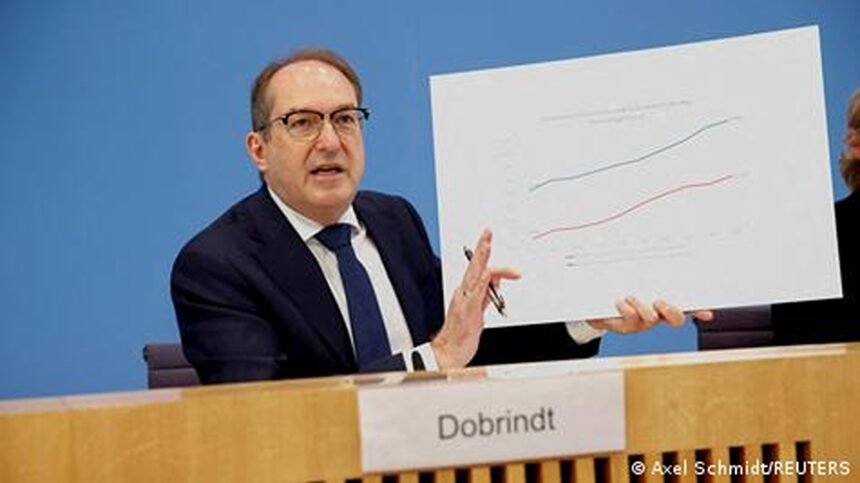
German Interior Minister Alexander Dobrindt, alongside BfV President Sinan Selen, warned that foreign intelligence activities in Germany are intensifying.
According to Dobrindt, Russia remains the primary external threat. He cited the recent conviction of three men accused of spying on railway infrastructure and planning possible sabotage operations on behalf of Russian intelligence services.
The report also identifies China and Iran as significant security concerns, particularly through economic espionage and efforts to intimidate dissidents and exiled communities living in Germany.
Right-Wing Extremism Remains the Greatest Threat
The report concludes that right-wing extremism continues to pose the most serious threat to Germany’s democracy and social cohesion. Officials warned that extremist networks are becoming younger, better organized, and increasingly action-oriented.
Left-wing extremism also remains a concern, with authorities noting similar trends in organization and radicalization.
AfD Faces Increased Scrutiny
The Alternative for Germany remains under close observation after being classified as a confirmed right-wing extremist organization in five of Germany’s sixteen federal states.
The BfV argues that the party promotes an ethnic-based definition of the German people that conflicts with the principles of the country’s Basic Law.
A recent legal opinion published by the Gesellschaft für Freiheitsrechte (GFF) concluded that the AfD is clearly unconstitutional. However, Interior Minister Dobrindt declined to comment while the assessment is still under review.
Calls for Stronger Intelligence Powers
Dobrindt said Germany is “under pressure” but remains capable of defending itself. He called for expanded surveillance powers, including broader monitoring of digital communications and longer data retention periods.
The government also plans to strengthen both the BfV and the Federal Intelligence Service (BND), giving them greater authority to detect, disrupt, and prevent hybrid threats.
BfV President Sinan Selen said Germany’s intelligence agencies need more operational flexibility, arguing they should be able not only to gather intelligence but also to actively help prevent hostile activities before they occur.
The governing coalition of the Social Democratic Party of Germany and the Christian Democratic Union of Germany has expressed support for strengthening Germany’s security architecture.
However, the opposition The Left criticized the proposals, warning against granting intelligence agencies police-like powers without sufficient independent oversight.