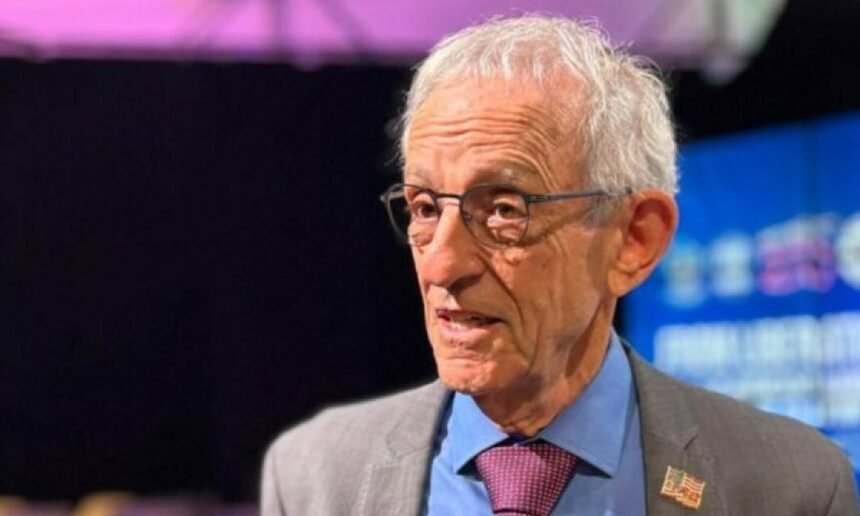
The United States is making a renewed effort to bring Serbia closer to its strategic objectives, according to Daniel Serwer, professor at Johns Hopkins University, who spoke to Radio Free Europe (RFE/RL) following the announcement of a new U.S.–Serbia Strategic Dialogue.
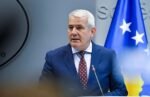
Serbia’s Foreign Minister Marko Đurić announced that Washington and Belgrade will officially launch the strategic dialogue on July 17, describing it as a historic diplomatic and political milestone in bilateral relations.
According to Đurić, the dialogue is also important for Serbia’s key national interests, including Kosovo, Republika Srpska, and the country’s internal stability.
The initiative was first announced in August 2025. However, the U.S. State Department has not yet disclosed the agenda for the inaugural meeting or its specific expectations from Serbia.
Strategic dialogues between the United States and partner countries typically cover a broad range of issues, including defense, security, energy, the economy, and environmental cooperation.
Serbian President Aleksandar Vučić has indicated that energy security will be one of the central topics, particularly in light of new U.S. tariffs targeting countries importing Russian oil and gas. Serbia hopes the dialogue could help address these challenges through direct engagement with Washington.
Serwer said the launch of the dialogue reflects another attempt by the United States—following what he described as unsuccessful efforts during the Biden administration—to align Serbia more closely with U.S. strategic interests.
He believes Belgrade has reason to welcome the initiative, arguing that it could help President Vučić avoid stronger pressure from Washington and reduce the likelihood of U.S. support for his political opponents ahead of future elections.
According to Serwer, announcing or conducting a strategic dialogue on the eve of elections is politically inappropriate.
Regarding Serbia’s ties with Russia and China, Serwer noted that the Trump administration has done relatively little to curb their influence in the Balkans, with the notable exception of sanctions affecting Serbia’s oil industry (NIS) and pressure for Gazprom to reduce its ownership stake.
Asked about Washington’s strategic priorities, Serwer argued that stability remains the United States’ primary objective in Serbia, although he questioned whether that should be the main focus.
“I would prefer to see genuine efforts to support the restoration of democracy and to limit Belgrade’s attempts to project influence in Bosnia and Kosovo through the concept of the ‘Serbian World’,” he said.
Serwer added that a strategic partnership is largely a political declaration whose practical significance depends on the circumstances. He believes the current U.S. approach is highly transactional: if Washington secures concessions from Belgrade—particularly regarding NIS—it is likely to offer something in return.
On Kosovo, Serwer warned that Belgrade may continue avoiding accountability for the kidnapping of three Kosovo police officers, attacks on KFOR personnel, and the terrorist attack in Banjska.
He also suggested that Washington could once again press Kosovo to establish the Association of Serb-majority Municipalities, while emphasizing that, in his view, such an arrangement is acceptable only if Serbia first recognizes Kosovo.
Source: Radio Free Europe / Radio Liberty (RFE/RL).