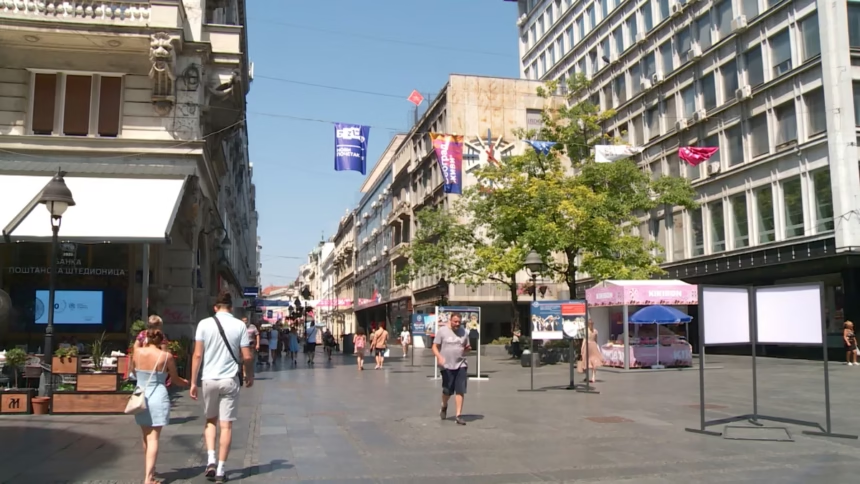
A highly controversial piece of nationalistic graffiti on Knez Mihailova Street, the busiest pedestrian avenue in Belgrade’s historic center, was painted over on Wednesday. Written in English, the graffiti boldly claimed: “The only genocide in the Balkans was against Serbs.”
Its removal highlights the ongoing, tense ideological battle inside Serbia, where far-right factions continue to wage an aggressive propaganda campaign aimed at rewriting the history of the 1990s Yugoslav Wars.
The Origin of the Message
The graffiti originally appeared as an angry reaction to the United Nations General Assembly’s adoption of a resolution in May 2024, which designated July 11 as the International Day of Reflection and Remembrance of the 1995 Srebrenica Genocide.
For Serbia’s active ultra-nationalist and far-right movements, the UN resolution was met not with self-reflection, but with a highly coordinated public counter-campaign. These groups quickly filled the streets of Belgrade with murals and slogans designed to reject international court rulings and position Serbia as the primary, historical victim of the regional conflicts.
Weaponizing Victimhood to Erase Milošević’s Legacy
Political analysts and local human rights defenders point out that slogans like the one erased in Knez Mihailova are part of a deliberate strategy by Serbian right-wing extremists to deflect responsibility for the devastating wars initiated by Slobodan Milošević’s regime across Croatia, Bosnia and Herzegovina, and Kosovo.
By flooding public spaces with messages claiming that Serbs were the only victims of genocide, these groups seek to achieve several political goals:
- Erasure of Neighboring Victims: The narrative completely glosses over the systemic campaigns of ethnic cleansing, mass killings, and deportations carried out by Belgrade-backed forces against Bosniaks, Croats, and Kosovo Albanians.
- Rehabilitating War Criminals: Right-wing organizations regularly glorify convicted war criminals like Ratko Mladić and Radovan Karadžić, painting them as heroic defenders rather than architects of atrocities.
- Exploiting Genuine Serb Suffering: The propaganda exploits the very real and tragic suffering of Serb civilian victims during the wars—such as those displaced during Croatia’s Operation Storm—using their pain to block any honest domestic dialogue about the crimes committed in Serbia’s name.
A Tolerated Subculture?
While municipal workers eventually painted over the Knez Mihailova graffiti, civil society organizations warn that Belgrade’s authorities have long adopted a passive stance toward nationalist propaganda. Murals of war criminals and revisionist slogans often remain untouched on Belgrade’s walls for months or even years, defaced only by courageous local anti-war activists.
“This isn’t just about paint on a wall. The persistent effort by far-right groups to frame Serbia as the sole victim of the 1990s is designed to keep the public in a permanent state of grievance, making regional reconciliation nearly impossible.”
— Belgrade-based Human Rights Activist
The quiet removal of the graffiti in the heart of the capital is a small victory for activists, but observers emphasize that the deeply entrenched, state-tolerated historical revisionism continues to shape Serbia’s domestic politics and stall its European integration.