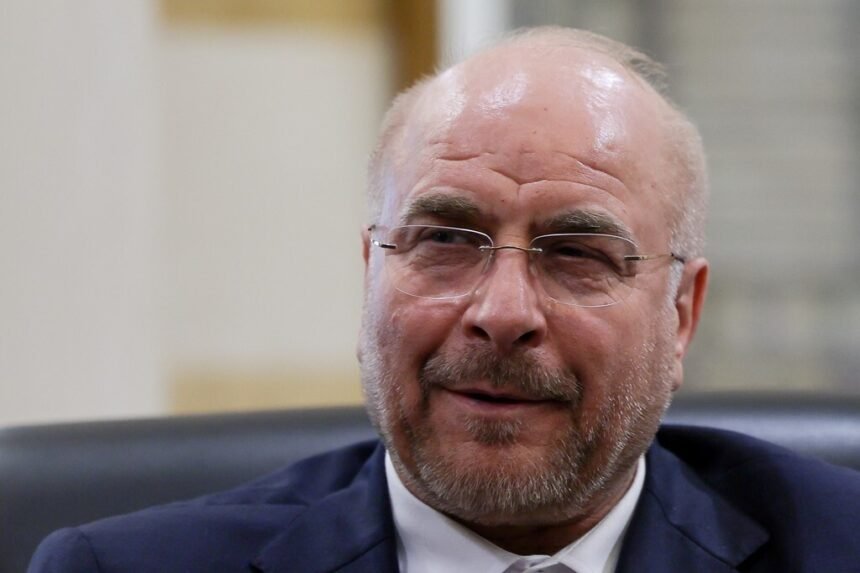
In a sharp escalation of rhetoric amid ongoing clashes in the Persian Gulf, Iran’s chief negotiator has declared that Tehran has “no reason to adhere” to the recent memorandum of understanding with the United States, claiming the deal yielded zero benefits for the Islamic Republic.
Mohammad Bagher Ghalibaf issued the combative statement on Telegram, asserting that the nation must actively prepare for a military confrontation while simultaneously remaining open to diplomatic maneuvering.
Tearing Up the US-Iran Memorandum
The remarks effectively signal the formal collapse of the fragile diplomatic framework negotiated in June, which was meant to temporarily halt hostilities between Iran, the US, and Israel.
According to Ghalibaf, the agreement failed to deliver on its promises, leaving Iran with no incentive to respect its terms:
“We did not benefit from the memorandum of understanding with the US, and there is no reason to adhere to it. We must always be ready for battle.”
— Mohammad Bagher Ghalibaf, Iranian Representative
The Red Line: Control of the Strait of Hormuz
Ghalibaf’s statement directly connects to the active naval conflict currently playing out around the Strait of Hormuz and the heavily bombarded port of Bandar Abbas. He emphasized that Iran’s national security is directly tied to maintaining unilateral “Iranian arrangements” and regulatory control over the vital shipping corridor.
Coordinating Guns and Diplomacy
Rather than choosing between war and peace, the chief negotiator argued that Iran’s strength lies in its ability to synchronize its armed forces with its foreign ministry.
He concluded that Tehran “should not fear war or negotiations,” but must instead master the art of using military pressure to secure diplomatic upper hands on the global stage.
With the US naval blockade reinstated and American maritime drones striking Iranian ports, Ghalibaf’s words suggest that Tehran is prepared for a prolonged, high-stakes game of brinkmanship in the world’s most critical oil transit route.