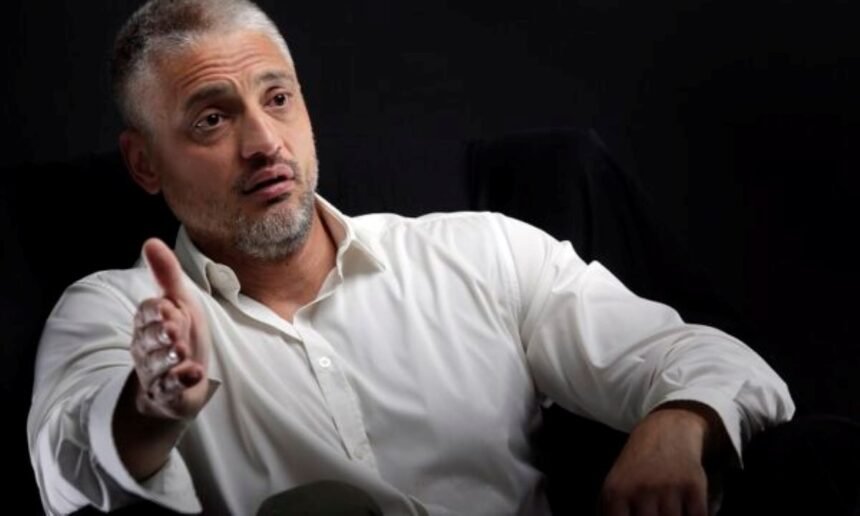
In a direct and emotionally charged response to the regional political crisis, Serbian liberal politician Čedomir Jovanović has issued a formal apology to both ethnic Albanians and Kosovo Serbs. His remarks follow a wave of international fury sparked by Serbian Minister Snežana Paunović, who asserted that she would have “ethnically cleansed” Kosovo in 1998 if she had been in Slobodan Milošević’s position.
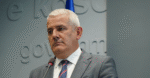
Speaking in an exclusive interview with Gazeta Express on Wednesday, July 15, 2026, the leader of the Liberal Democratic Party (LDP) condemned the minister’s statement, describing it as a monstrous byproduct of extreme Serbian nationalism.
Jovanović’s Apology: “Hostages of Madness”
Jovanović, a long-time advocate for regional reconciliation and the normalization of relations between Belgrade and Pristina, did not hold back in his assessment of Minister Paunović’s rhetoric.
“With her statement, Serbian Minister Snežana Paunović has only confirmed that Serbs are their own worst enemies. I sincerely apologize to the Albanians and also to the Kosovo Serbs, because both sides—each in their own way—are victims and hostages of the foolishness, incompetence, and monstrosity of the insane policy of Serbian nationalism.”
— Čedomir Jovanović, Leader of the Liberal Democratic Party
Jovanović went on to emphasize that Paunović’s violent rhetoric does not reflect the mindset of the general public, stating that “no normal, rational person thinks what this unfortunate minister is saying.”
Political Backfire: Vučić and Čanak Speak Out
The political fallout from Paunović’s interview has reached the highest levels of government, creating a deep ideological rift in Belgrade:
Aleksandar Vučić Distances the Government
Speaking from Kyiv, where he was attending the Ukraine-Southeast Europe Summit, Serbian President Aleksandar Vučić quickly moved to distance his administration from the controversy. Vučić labeled Paunović’s comments as “reckless and thoughtless,” explicitly clarifying to regional partners that her words do “not represent my policy, nor the policy of the Government of Serbia.”
Nenad Čanak Warns of Rooted Fascism
Veteran Vojvodina social-democratic politician Nenad Čanak offered an even darker assessment of the situation. He argued that the lack of public reckoning with the war crimes committed during the Milošević era has allowed extremist rhetoric to rot the fabric of the state:
                      [ Čanak's Political Diagnosis ]
                                     |
         +---------------------------+---------------------------+
         |                                                       |
         v                                                       v
  [ Collective Amnesia ]                                  [ Institutional Failure ]
  • Serbia never properly put the                         • The current administration is
    policies of the 1990s on trial.                         viewed as a symptom of a deeper,
  • The lack of transitional justice                      • Unchallenged nationalist ideology
    allowed fascism to resurface.                           re-emerges during diplomatic crises.
The Growing Crisis
The diplomatic storm surrounding Paunović continues to escalate. Following her comments, Kosovo’s Ministry of Internal Affairs declared her persona non grata, permanently banning her from entering the country.
While opposition parties and human rights groups inside Serbia are demanding her immediate dismissal, the silence from her own political base—the Socialist Party of Serbia (SPS)—threatens to strain the ruling coalition’s relationship with European mediators at a time when the Belgrade-Pristina dialogue is already highly fragile.